



Category humanitarian aid

May 1
Open Heart Nigeria: The Story of Destiny and Her Rebirth
Open Heart Nigeria: Destiny’s Story and Her Rebirth A little girl, a fragile heart, a slender thread of hope. Destiny is a Nigerian girl born on December 7, 2020, in Bayelsa State. A name that, from the very beginning, seemed to tell a story greater than herself. A story of fragility, courage, and rebirth. From Nigeria to Italy, a life-changing journey. We met her in 2023, during one of the Open Heart project’s missions, at a time when the paths of Nigeria and Italy intersect to save small but precious lives. That year was special for Pobic: we forged crucial institutional ties with the governor of Bayelsa State, Douye Diri, and strengthened our collaboration with two key hospitals—the Federal Medical Center in Yenagoa and the Niger Delta University Teaching Hospital in Okolobiri. It was in this context, during a screening session in collaboration with the Giannina Gaslini Hospital in Genoa, that Destiny crossed our path. Her ailing heart struggled to sustain her breathing. Every heartbeat was a cry for help. A new destiny, a fresh start. On September 23, 2023, Destiny arrived in Italy. She was fragile, in limbo. Her life seemed to hang by a thread. But that thread held. On October 6, she underwent surgery. A few days later, on October 26, she was discharged. She was breathing on her own. She was smiling. She was alive, in the fullest sense of the word. Today, Destiny has returned home to Nigeria. And we are here, with the light of that moment—when destiny changed course—still shining in our eyes. This is also what the Open Heart project is about: building connections across borders, creating possibilities where there seemed to be none, and offering a future where the present is uncertain. And when a little girl named Destiny starts breathing again, it’s impossible not to feel that everything has meaning. Because every life saved is a destiny rewritten. And every rewritten destiny is a new beginning. THANKS TO YOUR SUPPORT, WE SAVE THE LIVES OF DOZENS OF CHILDREN EVERY YEAR. HELP US DO EVEN MORE. Countries 0 Children operated on 0 Children examined 0 +
READ MORE
April 26
Ghana: Pobic Mission's First Step to Combat Rheumatic Heart Disease
Ghana: Pobic’s First Step in the Mission to Combat Rheumatic Heart Disease Mission to Ghana: A Strategic Meeting for Public Health Between March 21 and 23, 2025, a Pobic delegation took its first official steps in Ghana. President Paolo Novellini and Festus Adedayo traveled to the capital, Accra, for a series of strategic institutional meetings, laying the groundwork for a new collaboration in the field of rheumatic heart disease prevention. During the mission, Pobic engaged directly with representatives of Ghana’s Ministry of Health and with the medical team at the National Cardiothoracic Center, the country’s leading cardiac hospital. A particularly significant meeting was held with the director of cardiac surgery, Dr. (Med) Kow Entsua-Mensah, a leading figure in Ghana’s healthcare system. Humanitarian Aid: A Concrete Response to Local Needs During the working sessions, there was extensive discussion of the state of cardiac surgery in the country, but above all of the need to develop a joint strategy to address an often-underestimated problem: rheumatic heart disease, which in Ghana particularly affects children between the ages of 3 and 14. The main request made to Pobic was clear: to help develop a screening protocol to measure the prevalence of rheumatic heart disease in the pediatric population. This is a crucial step not only toward understanding the disease’s actual impact at the national level but also toward enabling Ghana to share data and strategies with other countries on the African continent, with a view toward broader health cooperation. Rheumatic Diseases in Africa: A Widespread and Neglected Problem The collection of this data will, in fact, serve a dual purpose: on the one hand, it will provide Ghanaian authorities with a concrete tool for planning prevention and treatment interventions; on the other, it will enable Ghana to fully participate in international initiatives aimed at eradicating rheumatic fever in sub-Saharan Africa. The March mission is therefore only the first step. But it is already clear that the humanitarian aid Pobic will provide in Ghana will not be limited to occasional interventions: it will be based on solid scientific foundations, with the goal of developing projects for prevention, early diagnosis, and long-term support. THANKS TO YOUR SUPPORT, WE SAVE THE LIVES OF DOZENS OF CHILDREN EVERY YEAR. HELP US DO EVEN MORE. Countries 0 Children operated on 0 Children examined 0 +
READ MORE
April 26
Rheumatic diseases in Africa: a health challenge starting with humanitarian aid
Rheumatic Diseases in Africa: A Public Health Challenge That Begins with Humanitarian Aid Rheumatic diseases remain one of the major public health emergencies in sub-Saharan African countries, particularly in the Horn of Africa and in nations such as Ghana, where the healthcare system struggles to ensure timely diagnosis and treatment. Humanitarian aid therefore plays a vital role in addressing an issue that is often underestimated but has devastating effects on the population, especially among the youngest. THANKS TO YOUR SUPPORT, WE SAVE THE LIVES OF DOZENS OF CHILDREN EVERY YEAR. HELP US DO EVEN MORE. Countries 0 Children operated on 0 Children examined 0 + What Are Rheumatic Diseases? Rheumatic diseases are inflammatory conditions that can affect joints, bones, muscles, and, in more severe cases, vital organs such as the heart. In Africa, the most common form is rheumatic fever, a complication of streptococcal infections that are not treated properly. If not diagnosed and treated in time, rheumatic fever can progress to rheumatic heart disease, causing irreversible damage to the heart valves. According to the World Health Organization (WHO), rheumatic heart disease is responsible for over 300,000 deaths worldwide each year, primarily affecting children and young adults in low-income countries. HELP US DO EVEN MORE Every donation is essential to us. YOU CAN CONTRIBUTE, TOO The impact of rheumatic diseases in Africa In the Horn of Africa and in many parts of Africa in general, rheumatic fever remains one of the leading causes of heart failure in young people. This is due to several reasons: Late or absent diagnoses. A shortage of antibiotics to treat streptococcal infections. Low health awareness among rural populations. Humanitarian aid in East Africa is increasingly focusing on primary prevention programs (timely treatment of infections) and secondary prevention (early diagnosis of heart damage). Furthermore, the strong correlation between poverty, lack of access to care, and the spread of infections makes the problem even more difficult to curb without the support of humanitarian aid organizations. Horn of Africa: A Highly Vulnerable Context The Horn of Africa, one of the continent’s most fragile regions, is characterized by many of the conditions that favor the spread of rheumatic diseases: Widespread poverty. Limited access to basic health services. Overcrowding in schools and housing, which facilitates the transmission of infections. In these contexts, humanitarian aid is no longer limited to emergency response but aims to build sustainable public health programs capable of identifying risks early and reducing the incidence of cardiac complications. Investing in the prevention of rheumatic fever in the Horn of Africa means not only saving lives but also alleviating the burden on national health systems, thereby improving the resilience of the most vulnerable communities. Conclusion Rheumatic diseases in Africa, and particularly in the Horn of Africa, represent a major public health challenge that is still too often overlooked. Humanitarian aid plays an essential role in promoting strategies for the prevention, early diagnosis, and treatment of infections that lead to serious cardiac complications. Addressing this emergency means looking beyond individual interventions and focusing on sustainable projects capable of structurally improving public health in the most fragile regions. This is what remains of the only ambulance in the city of Nemirov, Ukraine. A fragment of a Russian missile, partially destroyed by Ukrainian forces, fatally struck the emergency response vehicle. For a community like Nemirov, this is a very serious social tragedy. That is why, as Pobic, we have donated—on an emergency basis—an ambulance that had been decommissioned in Italy but remains fully operational. Professor Mikola Segeda, president of the Pobic Ukraine Foundation, has taken charge of driving the vehicle to its destination. This is just the first step. HELP US DO EVEN MORE Every donation is essential to us. YOU CAN CONTRIBUTE, TOO
READ MORE
April 26
Ukraine: all our history from the beginning to the present
Ukraine: Our Entire History from the Beginning to Today Our mission in Ukraine did not begin with the outbreak of war, nor was it a response to a sudden emergency. It is a story with deep roots, made up of encounters, small steps, and relationships built over the years. A story we want to share with you, from the beginning to today. 2005: The First Steps in Krasnograd It was 2005 when Pobic crossed the Ukrainian border for the first time. The destination was Krasnograd, a small town in the Kharkiv Oblast, in eastern Ukraine. In a context marked by poverty and hardship, we found vibrant, dignified communities eager to build a better future. Our first initiative was simple yet essential: direct support for families in need, with a special focus on those with children with disabilities. We didn’t have extensive resources, but we were fully committed to being there, to accompanying these families with concrete and ongoing support. SPONSORSHIP PROGRAM 2008: Training for Resilience in Lviv In 2008, we realized that helping also meant building skills. So, in collaboration with Yosypovych University in Lviv, we organized courses in nursing care and the management of major trauma. During a time when the country was still relatively stable, investing in the training of healthcare personnel meant strengthening a fragile yet vital network capable of responding to both routine and extraordinary emergencies. 2005–2025: Our Long-Standing Friendship with Nemirov At the same time, back in 2005, one of our most enduring projects was taking shape: our support for the Nekrasov Orphanage in Nemirov, in the Vinnytsia Oblast. Year after year, we brought basic necessities, educational materials, and toys to the children living at the facility. But that’s not all. We also organize summer programs for children with dermatological and musculoskeletal conditions, offering them therapeutic and wellness stays in Italy with supportive host families. The Nemirov mission, still active today, is the most vivid testament to our constant and quiet commitment. Since 2022: War in Ukraine, a New Emergency When war broke out in Ukraine in 2022, everything changed. The Ukrainian crisis erupted with devastating force, and with it, the population’s needs. We did not shy away: we organized humanitarian convoys, distributing medications, clothing, food, and emergency supplies to displaced populations. We expanded our presence, striving to offer not only material support but also human support. 2023: An Ambulance to Save Lives In 2023, a dramatic incident required an immediate response from us. In Nemirov, the only available ambulance was destroyed by a fragment of a Russian missile. In response, we donated a new, fully functional ambulance from Italy, which restored hope to an entire community. We also loaded the ambulance with clothing and medicines, which were delivered thanks to the determination of the president of Pobic Ukraine, Mikola Segeda. 2024: Strengthening Healthcare, Building the Future In 2024, our efforts were further strengthened: we donated a second ambulance to the Vinnytsia Oblast and launched specialized healthcare training programs for managing emergencies in a wartime context. This was a crucial step toward ensuring not only resources but also expertise, so that those living on the front lines of the conflict can count on adequate support. Today: The Mission Continues Twenty years since the start of our mission in Ukraine, we know that every effort has built something: a network of solidarity, tangible support, and a future that is possible even in the darkest moments. With your help, we can keep going. Every donation directly supports our projects: ambulances, medicines, training, and basic necessities. Donate now and walk with us alongside those who cannot stop hoping. THANKS TO YOUR SUPPORT, WE SAVE THE LIVES OF DOZENS OF CHILDREN EVERY YEAR. HELP US DO EVEN MORE. Countries 0 Children operated on 0 Children examined 0 +
READ MORE
Apr 12
2005 – Mission to Ukraine in Krasnograd: where it all began
2005 – Mission to Krasnograd, Ukraine: Where It All Began Our first step in Ukraine was gentle, almost timid. It was 2005, and the city was called Krasnograd, a small town in the Kharkiv Oblast, not far from the eastern border. We didn’t know exactly what to expect, but one thing was clear: we wanted to be there. Not to impose solutions from above, but to walk alongside the people. Back then, we were still called Anpobic, and we were at the beginning of a journey we never imagined would be so long and intense. Krasnograd welcomed us with its rugged beauty: low-lying houses, dusty streets, a silence that spoke volumes. And in the faces of the people—marked by work, by hardship, but also by an almost disarming kindness—we immediately saw a truth: there was need here, but also dignity. A tangible poverty, unvarnished, yet never beggarly. A commitment made of outstretched hands, not promises. There was no need for grand initial plans. We brought clothes, shoes, and blankets; we listened to stories; we sat at the table with those who had nothing to offer but hot tea and the desire to share their stories. From there, almost naturally, the Long-Distance Support project was born: a tool that allowed us to help families with disabled children, to build a direct connection between those who gave and those who received, without filters. The mission in Krasnograd, Ukraine, took shape one step at a time. It wasn’t a program—it was a relationship. At a time when everything seemed at a standstill, that small exchange of help and humanity set things in motion. A gesture of kindness that went back and forth. SPONSOR A CHILD 2025: The War in Ukraine and Faithfulness to Our Mission Then, in 2022, the sound of war reached even those quiet places. And today, in 2025, Krasnograd has become a sore spot on the map of suffering. The war in Ukraine has changed the face of everything, but not our bond with those people. The voices reaching us speak of fear, hunger, and cold. And we are still there—not with definitive solutions, but with the same steadfast presence as always. Because the mission in Ukraine, at least for us, is first and foremost a promise of loyalty. THANKS TO YOUR SUPPORT, WE SAVE THE LIVES OF DOZENS OF CHILDREN EVERY YEAR. HELP US DO EVEN MORE. Countries 0 Children operated on 0 Children examined 0 +
READ MORE
Apr 12
2023 – Mission to Ukraine in Nemirov: an ambulance to start again
2023 – Mission to Nemirov, Ukraine: An Ambulance to Get Back on Track There was only one ambulance left for the entire city of Nemirov, Ukraine. Then, one day in 2023, even that was gone. A fragment of a Russian missile—partially intercepted, but not quite enough—struck the only available emergency vehicle head-on. A silent tragedy, one that might have gone unnoticed elsewhere, but which for a small community like Nemirov meant losing its last chance for emergency transport—the only means of saving lives. A blow to the heart, in the midst of a war in Ukraine that is eroding the country’s social and healthcare fabric day by day. When Concrete Answers Are Needed We didn’t need to think about it for long. As Pobic, having been involved in numerous missions in Ukraine for years, we knew what to do. Good intentions weren’t enough; an ambulance was needed. Immediately. So we decided, as an emergency measure, to donate a vehicle decommissioned in Italy—no longer used for local emergency response but still in perfect working order. And so a new mission to Ukraine began: discreet, practical, filled with humanity and essential equipment. SPONSOR A CHILD From Afar: So Much More Inside That Ambulance That ambulance, driven by Pobic Ukraine President Mikola Segeda, carried more than just a technical solution. We wanted it to be a tangible sign that someone, from afar, is listening and responding. On board were clothes, medicines, and basic necessities, collected thanks to the generosity of those who, even from afar, have not forgotten the Ukrainian people. Everything was loaded by hand, piece by piece, as one does with the things that truly matter. Beyond the Emergency, Continuity The mission in Nemirov, Ukraine, does not end with a single delivery. It is part of a commitment that has been with us for years—one made up of quiet interventions, small logistical miracles, and relationships built on the ground. The crisis in Ukraine has shown just how fragile even the most basic infrastructure can be. But it has also shown how resilient a proud community can be, if supported. THANKS TO YOUR SUPPORT, WE SAVE THE LIVES OF DOZENS OF CHILDREN EVERY YEAR. HELP US DO EVEN MORE. Countries 0 Children operated on 0 Children examined 0 +
READ MORE
Apr 12
2010 – Mission in Ukraine to Nekrasov: a commitment that continues over time
2010 – Mission in Ukraine in Nekrasov: A Commitment That Endures Over Time The war in Ukraine has drawn the world’s attention in recent years, but for us at Pobic, our commitment to this country began long before that. Among the many missions we’ve carried out in Ukraine, one of the first and most meaningful was the one that began in 2010 in Nemirov, at the Nikolai Alekseevich Nekrasov Orphanage. The Beginnings of the Mission in Nekrasov In 2010, we arrived in Nemirov driven by a desire to learn about a fragile yet significant reality. Although the Nekrasov Orphanage showed its age, it immediately struck us as a dignified facility, managed with care. We were welcomed by the director, Kondratuk Vasil Yakovic, who listened to our plans with kindness and openness. From that first meeting, the Long-Distance Sponsorship project was born, designed to help orphaned children living in public facilities. Tangible Support Thanks to the support of our members and donors, we were able to launch a concrete mission in Ukraine: toys, clothing, and essential goods were collected and delivered on a regular basis. The children welcomed every gesture with enthusiasm and gratitude, and each visit strengthened the bond between Pobic and this community. 2022: The Outbreak of the War in Ukraine In 2022, with the outbreak of the war in Ukraine, the situation changed dramatically. The crisis in Ukraine has also hit already fragile institutions hard, such as the Nekrasov orphanage. Needs have multiplied, and so has the urgency of our presence. 2025: The Mission Continues Today, in 2025, the mission in Ukraine continues. Despite everything, Pobic remains active on the ground, carrying out targeted interventions that are close to the people. The mission in Nekrasov is just one of many in Ukraine carried out over the years, all united by a single goal: to always be there for those who need us most. THANKS TO YOUR SUPPORT, WE SAVE THE LIVES OF DOZENS OF CHILDREN EVERY YEAR. HELP US DO EVEN MORE. Countries 0 Children operated on 0 Children examined 0 +
READ MORE
April 26
Morocco: A Health Prevention Project for Berber Women
Morocco: A Health Prevention Project Dedicated to Berber Women Through its humanitarian work, the Pobic association has gained experience in various African contexts: from Uganda to the Ivory Coast, and on to Morocco. It is precisely in Morocco that, thanks to its knowledge of the region and collaboration with local organizations, the association was able to launch a more structured and targeted health prevention project. A Project in the Heart of Southern Morocco The initiative focused on southern Morocco, a fascinating and complex region where economic progress still coexists with deep social inequalities. Despite significant strides made in recognizing women’s rights, access to adequate health services for the most isolated populations remains limited. In particular, the project targeted Berber women living in villages on the edge of the Sahara Desert, a remote area where living conditions are often extremely harsh and medical care is scarce. Focus on Prevention and Women’s Health The decision to focus the project on Berber women stems from the recognition that, in these contexts, it is often women who bear the greatest burden of inadequate healthcare. Focusing on prevention means not only improving individual health but also strengthening the entire community, given the central role women play in Berber society. The planned activities included: Health awareness campaigns on key women’s health issues; education on the prevention of communicable diseases and chronic conditions; Promoting access to basic screenings and prenatal care. Morocco: A Tug-of-War Between Tradition and Modernity Morocco, a Maghreb country experiencing strong economic growth, still finds itself today having to balance its development with the need to make progress accessible to all segments of the population.Particularly in rural and desert areas, where Berber communities keep centuries-old traditions alive, essential services—including healthcare—struggle to reach them. Through this project, Pobic has chosen to focus its efforts where the need is greatest, promoting the right to health as a fundamental prerequisite for genuine human and social progress. THANKS TO YOUR SUPPORT, WE SAVE THE LIVES OF DOZENS OF CHILDREN EVERY YEAR. HELP US DO EVEN MORE. Countries 0 Children operated on 0 Children examined 0 +
READ MORE
April 26
Ivory Coast: Health training as a driver of change, the Pobic model
Ivory Coast: Healthcare Training as a Driver of Change—The Pobic Model During its mission in the Ivory Coast, which began in 2012, the Pobic association chose to complement the provision of emergency medical equipment with another essential initiative: the training of local healthcare personnel. In a context where infrastructure was minimal and the number of doctors extremely low, the opportunity to build capacity directly on the ground was a strategic priority. The Importance of Healthcare Training The provinces of Bongouanou, Arrah, and M’Batto—the mission’s areas of operation—were characterized by limited access to healthcare services and the near-total absence of structured emergency protocols. As medical transport vehicles were introduced through the Emergency Transport project, it was clear that without adequate training, their impact would be limited and short-lived. Pobic’s response was to launch technical training courses focused on basic yet essential procedures, such as cardiopulmonary resuscitation (CPR) for adults and children. SPONSOR A CHILD Methodology and Training Activities The training was conducted through theoretical and practical sessions, using training manikins to simulate emergency interventions. The courses were aimed at: Hospital doctors and nurses. Paramedic staff in outlying villages. The personnel were trained to recognize critical situations, perform initial life-saving maneuvers, and correctly use the emergency equipment available in the ambulances. A key element of Pobic’s training approach was the transfer of learning tools: the manikins used for training were donated to the Bongouanou Hospital at the end of the mission, thereby enabling local staff to continue practicing and updating their skills independently. Objectives Pursued The goal of the training was not simply to provide instruction while the international team was present, but to: Build local operational capacity, reducing dependence on external aid. Ensure the continuity of skills over time. Strengthen the healthcare system through qualified personnel who are better equipped to manage emergencies. Results Achieved At the end of the mission, local healthcare personnel had acquired: Basic operational skills in managing critically ill patients. Improved use of the ambulances and equipment provided. Greater autonomy in handling emergency situations without the immediate intervention of external specialists. These results helped strengthen the regional emergency network established through the Emergency Transport project, making emergency response in rural areas of the Ivory Coast more efficient and safer. Results Achieved The healthcare training carried out by Pobic in Côte d’Ivoire demonstrates that developing local expertise is essential to ensuring the sustainability of humanitarian interventions. Simply delivering vehicles or equipment is not enough: it is necessary to invest in people, in their training, and in their ability to keep services running even after international missions have ended. The model adopted by Pobic has made it possible to leave a concrete and lasting impact, helping to improve access to emergency services in one of the country’s most vulnerable areas. THANKS TO YOUR SUPPORT, WE SAVE THE LIVES OF DOZENS OF CHILDREN EVERY YEAR. HELP US DO EVEN MORE. Countries 0 Children operated on 0 Children examined 0 +
READ MORE
April 26
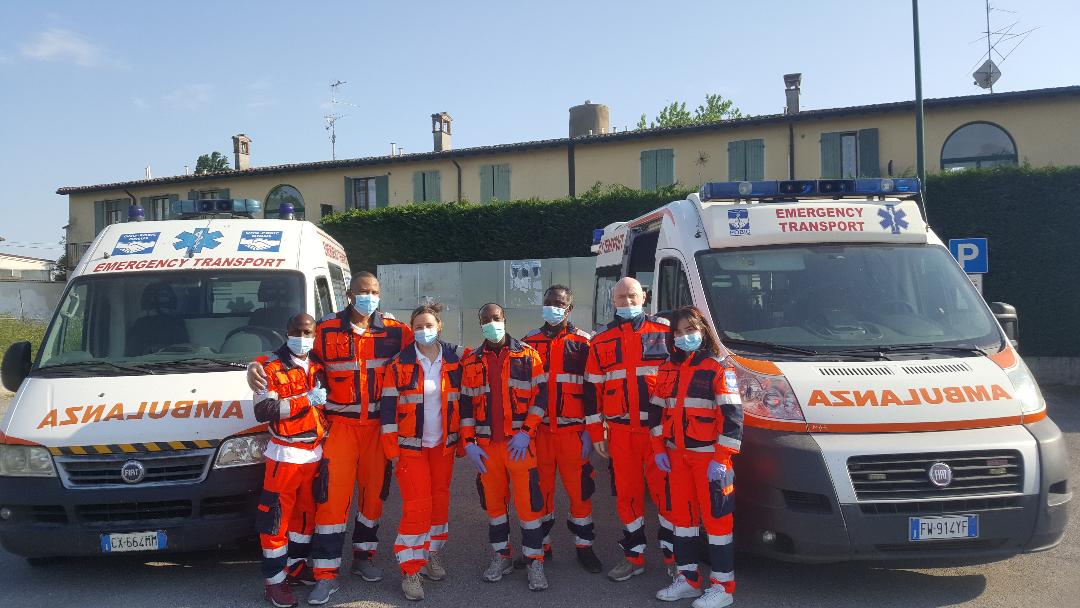
Ivory Coast: 4 ambulances donated for the Emergency Transport project
Ivory Coast: 4 Ambulances Donated for the Emergency Transport Project In 2012, the Pobic association launched an operational project to develop emergency medical transport in the province of Bongouanou, in Ivory Coast. The mission focused on providing emergency vehicles and establishing the region’s first organized emergency response system. The Initial Situation At the start of the mission, the area’s healthcare and logistical conditions were extremely precarious. There was no operational ambulance system available throughout the entire province. Patients in need of urgent care were transported in vehicles that lacked any health and safety standards, often forced to endure hours-long journeys on unpaved and damaged roads. The rainy season further exacerbated the situation, rendering many roads impassable and increasing the risks in emergency situations. SPONSOR FROM AFAR: Pobic’s Intervention To address this critical issue, Pobic implemented a structured program that included: The donation of four fully equipped ambulances. Technical training for local staff assigned to operate the emergency vehicles. The strengthening of emergency procedures through the introduction of first-aid protocols. The ambulances were delivered directly to the Bongouanou Hospital and to outlying health facilities. During the transfer, one of the vehicles was used to rescue an injured person in a traffic accident, immediately confirming the necessity and effectiveness of the initiative. Objectives and Results Achieved The main objective of Emergency Transport was to reduce the time it takes for people in rural areas to access healthcare services, thereby improving their chances of survival in emergency situations. Within a few months of the service’s launch, the following were observed: An improvement in the management of medical transport, An increase in the population’s trust in hospital facilities, and A greater response capacity on the part of the local healthcare system in emergency situations. Furthermore, staff training ensured proper vehicle management and established basic emergency management skills, fostering greater operational autonomy. Conclusion The Emergency Transport project marked a fundamental step forward in Pobic’s strategy in the Ivory Coast: not only providing material resources, but also strengthening local capacities, creating a concrete and lasting impact on public health in the region. Through targeted interventions, tailored to the actual needs of the region, it has been possible to establish the first embryonic emergency response network in one of the country’s most disadvantaged areas. THANKS TO YOUR SUPPORT, WE SAVE THE LIVES OF DOZENS OF CHILDREN EVERY YEAR. HELP US DO EVEN MORE. Countries 0 Children operated on 0 Children examined 0 +
READ MOREOPERATING HEADQUARTERS
- Registered office / operational office Via Romanino 1 25123 Brescia
- +39 0376920464
- ong-pobic@ong-pobic.org
CONTACTS
Registered/Operational office
Via Romanino 1
25123 Brescia
Tel - +39 0376-920464
Headquarters
V. Belfiore No. 9
Bozzolo (MN)
Operations Headquarters
Via Santa Maria in Conio, 10
35131 Padua PD
SUBSCRIBE TO THE NEWSLETTER
But let there be a nest in the velvet viverra bibendum in ac nisi. Even let the dui vitae sem
GALLERY




- ONG POBIC ODV