



Category humanitarian aid

April 26
Ivory Coast: the mission from the words of those who lived it.
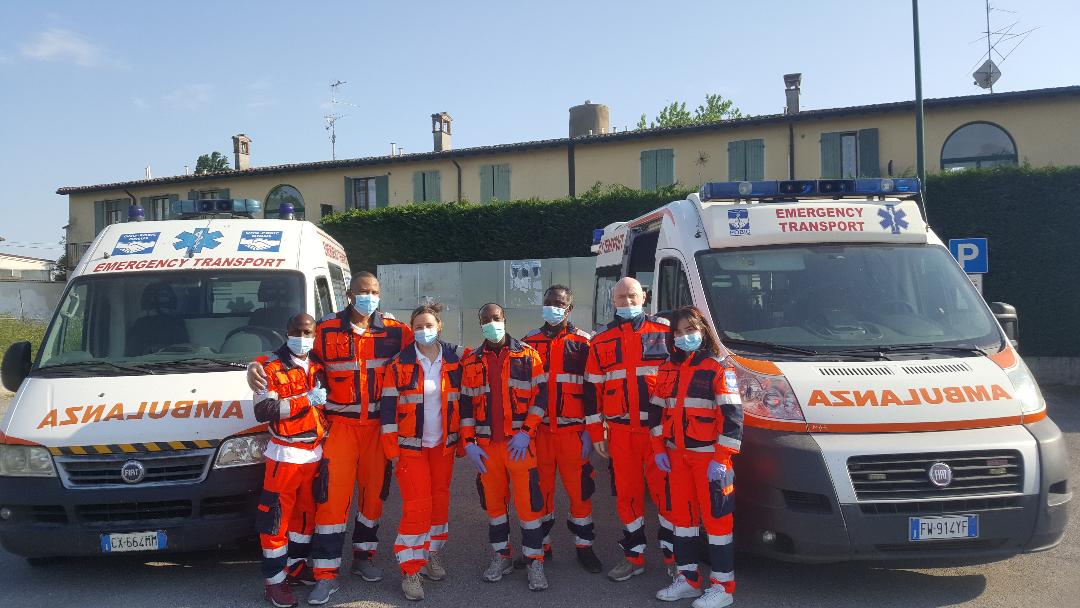
Ivory Coast: The Mission in the Words of Those Who Experienced It. The Start of the Mission in Ivory Coast Our arrival at Abidjan Airport on July 30, 2012, wasn’t exactly smooth. Most of the luggage that had left from Milan Malpensa had not been loaded onto the plane during our layover in Tunis. So, for four days, we found ourselves managing our stay with the bare essentials: a few changes of clothes and shoes suitable for a tropical climate, with temperatures between 24 and 26 degrees and humidity close to 70%. Certainly not the best way to start a work assignment. After taking care of the administrative formalities and waiting for our luggage to be retrieved, we began to get a feel for Abidjan. The city appeared congested with thousands of dilapidated taxis and buses, choked with smog, and more chaotic than anyone could have imagined. Amid widespread urban decay and poverty, daily life unfolded amid misery, suffering, and extremely precarious sanitary conditions. Health Crisis and Urban Conditions in Abidjan Unlike our experience during the 2009 mission, street lighting had improved, but there were still numerous checkpoints set up by the militia, dotting the route along the main thoroughfares. The flashlights of the soldiers, who were checking vehicles at night, illuminated our pale and weary faces: the documents of our local escorts were our only guarantee of safety. At the time, Ivory Coast was still marked by ten years of instability and internal guerrilla warfare between the factions of Ouattara and Gbagbo. The country, the world’s leading producer of cocoa and a major exporter of coffee and rubber, also possesses vast mineral wealth, including diamonds, gold, oil, and manganese. However, its economic potential was held back by political tensions and evident urban decay. SPONSOR A CHILD Visit to Grand Bassam: Ivory Coast’s Colonial Heritage While waiting for our luggage, we visited Grand Bassam, the former French colonial capital, now a major tourist and artisanal hub. Despite the beauty of the place, environmental degradation was evident, with piles of trash (mostly plastic) littering the beaches. Humanitarian Aid: Support for the Bongouanou Hospital Our arrival at the Bongouanou Hospital was greeted with great warmth. Memories of our previous mission were still fresh—during which we had delivered hospital furnishings, defibrillators, and operating room equipment, and organized medical training for doctors and nurses. This time, our task involved furthering medical training, particularly in the management of cardiovascular emergencies. In addition, we were scheduled to deliver four ambulances intended for transporting patients from the villages to the local hospital and, if necessary, all the way to Abidjan. The effectiveness of these donations was immediately evident: during the transfer of the ambulances, a traffic accident forced the immediate use of one of the vehicles to transport an injured person to the hospital. Healthcare Training and Local Resilience Meanwhile, training courses on cardiopulmonary resuscitation (CPR) continued using training manikins for adults and children, which were subsequently donated to the hospital so that practical exercises could continue independently. On weekends, visits to villages and meetings with local communities were organized. The trip to the forest-surrounded village of origin of our valued Ivorian colleague Tano was particularly memorable. There, in a simple and authentic setting, the children—many of whom were seeing a white man for the first time—reacted first with fear and then with enthusiasm, happily participating in photos and impromptu games. Local Traditions and Culture of the Horn of Africa There was no shortage of local celebrations, such as the visit to the village of Fabien, another local notable, where we were welcomed with traditional meals—including dishes made with porcupine and stewed agoutis, forest delicacies offered with great hospitality. The 52nd Anniversary of Independence: A Historic Moment Finally, on August 7, 2012, we took part in the celebrations marking the 52nd anniversary of the Ivory Coast’s independence from France. The city of Bongouanou came alive with parades, dances, colorful markets, and cultural events that involved the entire population. Conclusion The Emergency Transport mission represented an important initiative in international cooperation on the ground, successfully integrating medical and logistical aid with a deep respect for local culture, thereby strengthening the bonds between peoples who are distant yet united by the same spirit of solidarity. THANKS TO YOUR SUPPORT, WE SAVE THE LIVES OF DOZENS OF CHILDREN EVERY YEAR. HELP US DO EVEN MORE. Countries 0 Children operated on 0 Children examined 0 +
READ MORE
April 26
2007 – Mission in Ivory Coast: ambulances and training to strengthen local healthcare
2007 – Mission in Ivory Coast: Ambulances and Training to Strengthen Local Healthcare In 2007, the Pobic association launched its first humanitarian healthcare initiative in Ivory Coast, in the provinces of Bongouanou, Arrah, and M’Batto—areas characterized by a severe lack of healthcare infrastructure and significant difficulties in accessing timely medical assistance. Ivory Coast: Where the Mission Began Bongouanou, the capital of the province of the same name, is located in central-eastern Ivory Coast. The area is predominantly agricultural, with a limited road network and underdeveloped healthcare services. The lack of emergency transportation posed a serious problem, contributing to high rates of preventable mortality in the event of accidents or medical complications. LONG-DISTANCE SPONSORSHIP Origins of the Project From the outset, the initiative presented itself as complex from both an economic and a technical-scientific standpoint. Thanks to the efforts of Dr. Carlo Antonio Calamari, then head of the AREU in Mantua, it was possible to involve the AREU in Milan and the Carlo Poma Hospital in Mantua. On July 28, 2008, in Mantua, a partnership was officially established between AnPobic (now Pobic), the Carlo Poma Hospital, the Lombardy AREU, and the Bongouanou Hospital. This agreement marked the formal starting point for operational activities in Côte d’Ivoire. Ivory Coast: Activities Carried Out The activities carried out during the mission in Ivory Coast followed an integrated approach, aimed not only at addressing immediate shortages but also at building a more solid foundation for the future of local health services. The interventions were multi-faceted, simultaneously addressing the problem of a lack of emergency medical equipment and the need for adequate professional expertise to use it. In this way, Pobic’s efforts were not limited to a simple material donation but promoted a transfer of skills aimed at ensuring a lasting impact in the region. Below is a summary of the main activities carried out: The project was structured around two main components: Donation of three fully equipped ambulances, destined for Bongouanou and the neighboring provinces of Arrah and M’Batto. Technical training for local healthcare personnel, featuring practical and theoretical modules on emergency and urgent care management. The training was led by Italian healthcare professionals with direct experience in the local emergency response system. These initiatives made it possible to: Reduce transport times for critically ill patients. Improve the response capacity of local first responders. Introduce standardized response protocols for medical and trauma emergencies. How to Contribute The mission in Ivory Coast is a concrete example of how targeted interventions can radically transform healthcare response capacity in vulnerable contexts. However, the need for support continues. Ambulances require maintenance, staff need refresher training, and many other communities are awaiting similar interventions. You can help support these initiatives through donations, which will make it possible to: Keep emergency vehicles operational. Expand training programs to other regions. Provide essential medical equipment to local healthcare facilities. To make a donation or learn more about our missions, visit the official Pobic website. THANKS TO YOUR SUPPORT, WE SAVE THE LIVES OF DOZENS OF CHILDREN EVERY YEAR. HELP US DO EVEN MORE. Countries 0 Children operated on 0 Children examined 0 +
READ MOREOPERATING HEADQUARTERS
- Registered office / operational office Via Romanino 1 25123 Brescia
- +39 0376920464
- ong-pobic@ong-pobic.org
CONTACTS
Registered/Operational office
Via Romanino 1
25123 Brescia
Tel - +39 0376-920464
Headquarters
V. Belfiore No. 9
Bozzolo (MN)
Operations Headquarters
Via Santa Maria in Conio, 10
35131 Padua PD
SUBSCRIBE TO THE NEWSLETTER
But let there be a nest in the velvet viverra bibendum in ac nisi. Even let the dui vitae sem
GALLERY




- ONG POBIC ODV