Ivory Coast: healthcare training as a driver of change, the Pobic model
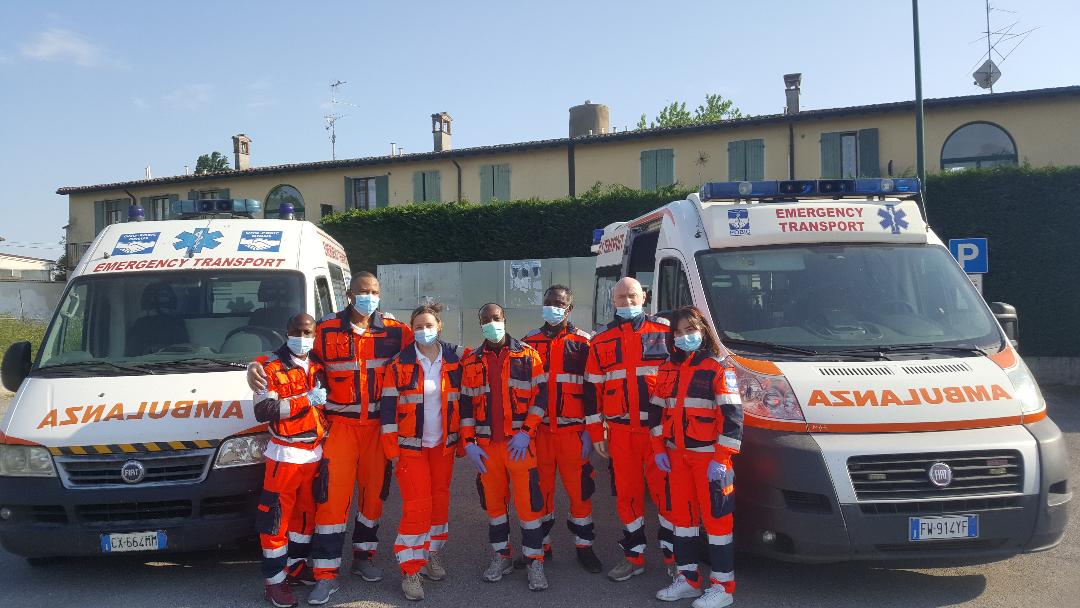
During the mission launched in 2012 in Ivory Coast, the Pobic association chose to pair the supply of rescue vehicles with another fundamental intervention: the training of local healthcare personnel.
In a context where infrastructure was minimal and the number of doctors extremely low, the ability to build skills directly on the ground represented a strategic priority.
The importance of healthcare training
The provinces of Bongouanou, Arrah and M’Batto, areas of intervention for the mission, were characterized by limited access to health services and the almost total absence of structured emergency protocols.
At the time medical transport vehicles were introduced through the Emergency Transport project, it was clear that without adequate training, their impact would be partial and short-lived.
Pobic's response was to initiate technical training courses, focus on basic but essential procedures, such as cardiopulmonary resuscitation (CPR) on adults and children.
The training was conducted through theoretical and practical sessions, using educational manikins to simulate emergency interventions. The courses were aimed at:
Hospital doctors and nurses.
Paramedical staff of the outlying villages.
Operators were trained to recognize critical situations, perform initial life-saving maneuvers, and correctly use the emergency equipment available on board the ambulances.
A key element of Pobic's training approach was the transfer of learning tools: the manikins used for training were donations to the Bongouanou hospital at the end of the mission, thereby allowing local personnel to continue practicing and updating their skills independently.
Objectives Pursued
The goal of the training was not simply to provide instruction while the international team was present, but to:
Building Local Operational Capacity, thereby reducing dependence on foreign aid.
Ensure continuity of skills over time.
Strengthening the healthcare system through a workforce that is qualified and better trained in emergency management.
Results Achieved
At the end of the mission, the local healthcare personnel had acquired:
Basic operational skills in the management of critical patients.
Better use of ambulances and the equipment provided.
Greater autonomy in dealing with emergency situations without the immediate intervention of external specialists.
These results helped strengthen the local emergency network established with the Emergency Transport project, making rescue operations in the rural areas of Côte d'Ivoire more efficient and safer.
Results Achieved
The healthcare training program implemented by Pobic in Ivory Coast demonstrates that the development of local skills is an essential element to ensure the sustainability of humanitarian interventions.
It is not enough to deliver vehicles or equipment: we need to invest in people, in their training, and in their ability to keep services running even after international missions have ended.
The model adopted by Pobic has made it possible to leave a tangible and lasting impact, helping to improve access to emergency services in one of the country’s most vulnerable areas.
THANKS TO YOUR SUPPORT
WE SAVE THE LIVES OF DOZENS OF CHILDREN EVERY YEAR.
HELP US DO EVEN MORE.
Marketer and professor of communication and marketing, sensitive to humanitarian and relief issues. I only write about what truly interests me, and POBIC's mission is of crucial importance.