



Category Open Heart
10 Oct
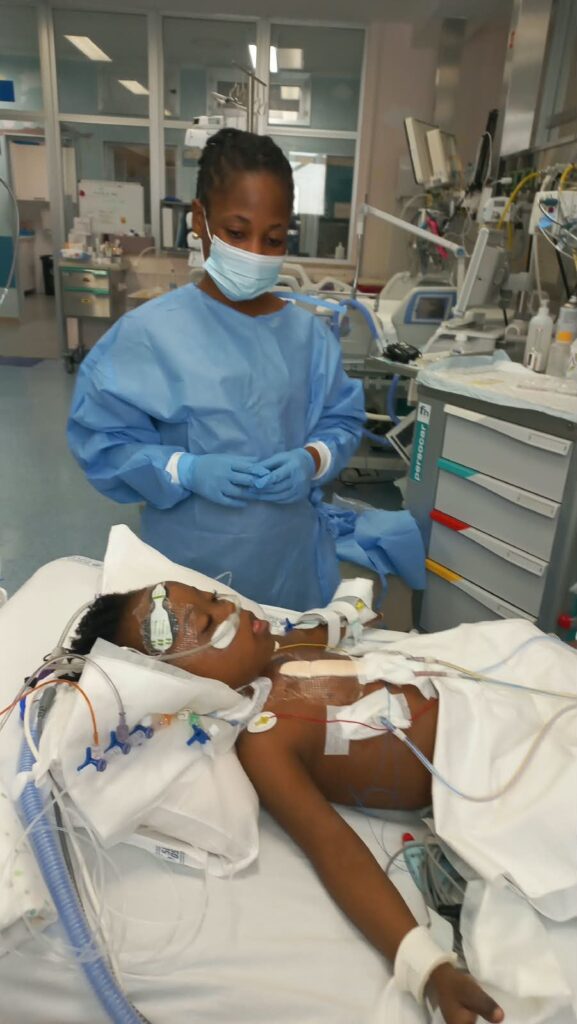
From Nigeria to Gaslini: Praise operated on the heart with the support of Pobic
From Nigeria to Gaslini: Praise underwent heart surgery with the support of Pobic. Three years, a journey from Nigeria to Italy and a path of care for congenital heart disease. On September 28, 2026, Praise underwent heart surgery at the Gaslini Hospital in Genoa. The Pobic ETS Foundation continues to support him and his family. For a child who needs cardiac care, getting to the hospital is a crucial step. When those treatments require a trip to another country, the journey begins long before the intervention. This is the story of Praise, a three-year-old Nigerian boy who arrived at Malpensa Airport on September 7, 2026, to undergo an important course of treatment at the Gaslini Hospital in Genoa. At his side, the Pobic ETS Foundation, which accompanies him along with his family. Praise’s journey and the heart surgery Praise has Down syndrome and congenital heart disease with a septal defect, indicated in the documentation received as CIV. His arrival in Italy allowed the start of the evaluation and treatment process at Gaslini, leading to the heart surgery on September 28, 2026. This was an important and delicate moment for him and his family. It is a milestone that illustrates the importance of being able to access the necessary care and having someone by your side during the journey. Pobic’s commitment continues after the surgery, maintaining support for Praise and his family. Pobic and access to care for children with heart diseases The story of Praise gives a concrete face to Pobic’s commitment to children with heart problems. Through the Open Heart project, Pobic supports access to care for children with severe heart diseases, accompanying them towards specialist interventions. Behind every path there is a child, a family and the need to face complex steps with concrete support. For Praise, this means being accompanied away from home during a particularly delicate phase of their life. THANK YOU FOR YOUR SUPPORT, WE SAVE LIVES OF DOZENS OF CHILDREN EVERY YEAR. HELP US DO MORE EVERY TIME. Countries 0 Children operated 0 Children visited 0 +
READ MORE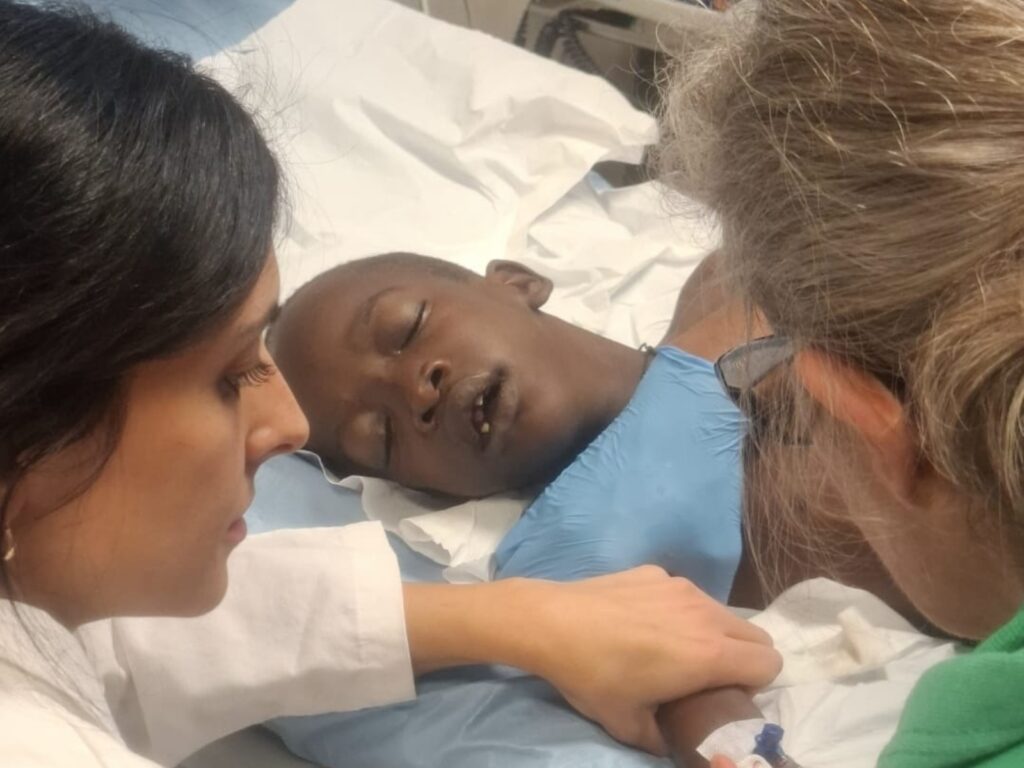
Sep 20
World Heart Day: For many children, getting treatment is still a privilege
World Heart Day: For Many Children, Access to Care Is Still a Privilege Childhood Heart Disease: When Place of Birth Determines Access to Care A child anywhere in the world can develop heart disease. What makes a difference—often a decisive one—is the ability to detect it early and receive the necessary treatment. September 29 marks World Heart Day, promoted by the World Heart Federation to raise awareness about cardiovascular diseases and their impact. For POBIC, this occasion also represents an opportunity to address a less visible inequality: the one that separates children who can quickly access a diagnosis and treatment from those for whom seeking care remains a difficult, costly, or even impossible journey. In fact, not all children born with a heart condition have the same opportunities ahead of them. Congenital heart defects are abnormalities in the structure or function of the heart present from birth. Some can be managed, while others require prompt diagnosis, specialized care, or surgery. In countries with well-established healthcare systems, a child with a heart condition can undergo the necessary tests as early as during pregnancy or in the first days of life. From that point on, the child is monitored by pediatric cardiologists and guided toward the most appropriate treatment plan. In many parts of the world, however, this care network is either unavailable or accessible only to a portion of the population. Distance from hospitals, a shortage of specialized physicians, the cost of tests, and the lack of facilities capable of performing complex procedures can delay diagnosis. As a result, the condition is often detected only when symptoms are already evident and the child’s condition has become more difficult to treat. It is in this gap between need and access to care that a treatable condition can become life-threatening. Not all heart conditions are present from birth. In addition to congenital problems, there are heart conditions that can develop during childhood. Among these is rheumatic heart disease, caused by damage to the heart valves resulting from one or more episodes of rheumatic fever. According to the World Health Organization, this is the most common acquired heart disease among people under the age of 25. It primarily affects children and adolescents living in low- and middle-income countries or in communities where access to health care is limited. The disease can result from a streptococcal infection which, if recognized and treated promptly, can prevent very serious consequences. However, not all families have the means to reach a healthcare facility, cover the costs of treatment, or consult staff capable of making a correct diagnosis. Here, too, the problem is not merely the presence of the disease. It is the lack of a system capable of recognizing it and intervening before the damage to the heart becomes permanent. Treating a child means building an entire care pathway. When it comes to heart surgery, attention understandably focuses on the operating room. But making a child’s treatment possible involves a much broader process. Before surgery, there are consultations, tests, precise diagnoses, and collaboration among professionals. When treatment must take place outside the child’s home country, it is necessary to organize the trip, prepare the necessary documents, identify an available facility, and ensure that the child and their companion are properly accommodated. After the operation, recovery and follow-up care begin, continuing until the child returns home and their medical journey continues. Behind every life saved, therefore, lies a network of doctors, hospitals, volunteers, families, organizations, and donors—a diverse group of people who each take on a share of the responsibility needed to guide that child from diagnosis to treatment. It is a complex task, often unseen but indispensable. Open Heart: The Heart of POBIC’s Commitment Through the Open Heart project, POBIC helps children with serious heart conditions who cannot receive the necessary treatment in their own country. The goal is not merely to provide access to surgery. It means supporting the child throughout the entire process, collaborating with healthcare facilities, managing the organizational aspects, and supporting the family at a time when the fear of the illness is compounded by the challenge of facing a long journey away from home. The stories of Jeremiah and Perl, who came from Uganda and underwent surgery in Italy, vividly illustrate the value of this network. Their journey is not an isolated incident but part of a commitment that POBIC has been carrying out for years to offer a chance at treatment to children who might otherwise go without it. Every surgery gives a child a future. But it also speaks to something greater: it demonstrates what can happen when medical expertise, international cooperation, and solidarity work together toward a common goal. Early Diagnosis Can Change a Life Ensuring access to care also means strengthening the ability to detect conditions before they become more serious. This is why pediatric cardiology visits, access to diagnostic tools, training for local healthcare staff, and ongoing collaboration with hospitals and specialists are essential. Early diagnosis of a heart condition allows for the evaluation of the most appropriate course of action and, when possible, intervention before the child’s condition worsens. Health cooperation cannot, therefore, be limited to responding to emergencies: it must contribute to building expertise, relationships, and continuity. This perspective is also crucial for the work POBIC has launched in Ghana on rheumatic heart disease, with the goal of increasing awareness of its prevalence among children and laying the groundwork for interventions based on reliable data. World Heart Day: Turning Awareness into Tangible Opportunity World Heart Day reminds us every year how important it is to protect cardiovascular health. But not everyone starts from the same starting point, and not everyone has access to the same resources. For some children, the problem isn’t knowing that treatment exists—it’s being able to access it. Bridging this gap requires expertise, organization, and resources. It requires hospitals willing to care for young patients and skilled doctors
READ MORE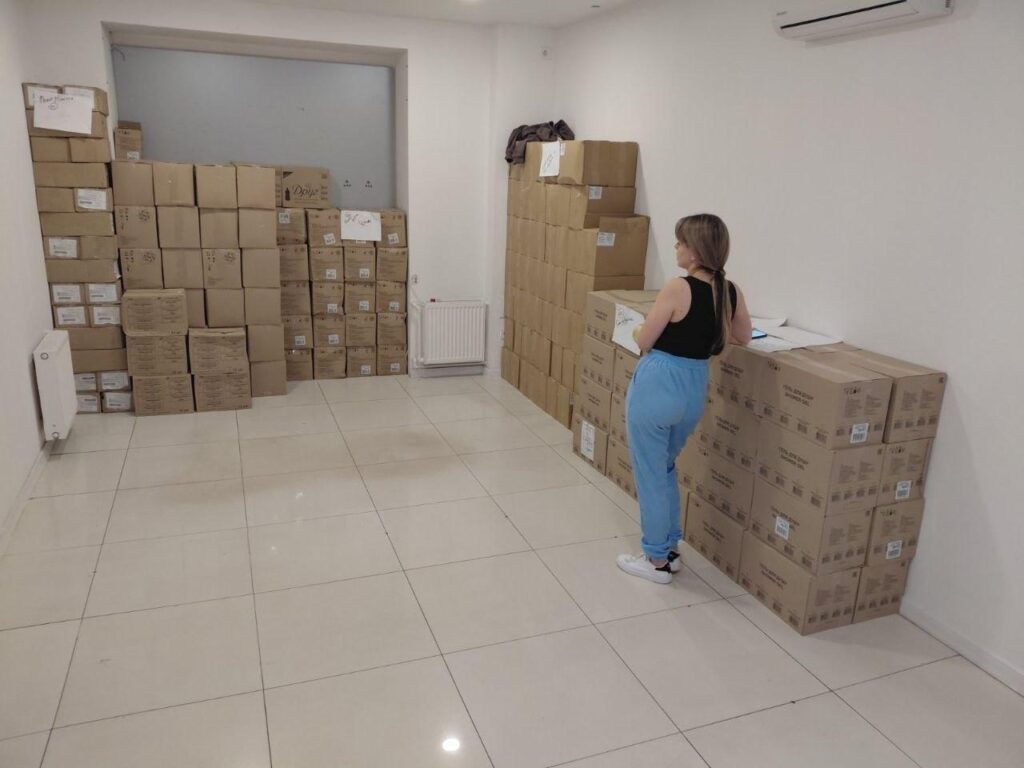
June 1
Ukraine: 15 tons of personal hygiene products delivered to Kharkiv to support displaced persons.
Humanitarian Aid in Ukraine: 15 metric tons of personal hygiene products delivered to Kharkiv. An initiative to support the displaced population: over 1,500 beneficiaries, including 60% with disabilities. In a context still marked by severe tensions and ongoing risks for the civilian population, a new humanitarian operation has made it possible to deliver concrete aid to the city of Kharkiv, one of the areas hardest hit by the conflict in Ukraine. Despite a particularly challenging weekend in terms of operations and security, our colleague Olga, who was on the ground, managed to receive approximately 15 metric tons of personal hygiene products intended to support 1,545 internally displaced persons. The Acqua Viva Project and Support from AICS Kiev This is an initiative of great humanitarian importance, especially considering that at least 60% of the beneficiaries are people with disabilities, who are often among the most vulnerable groups and most exposed to the consequences of war, isolation, and a lack of essential services. The supply includes essential items for daily care and hygiene—goods that, in emergency situations, take on fundamental importance not only from a health perspective but also in terms of personal dignity and the protection of living conditions for people forced to leave their homes. This operation was made possible thanks to the “Acqua Viva 04/UCr/13157/2026” project, funded by AICS Kiev, and represents a further step in supporting Ukrainian civilian communities that continue to face the daily consequences of the conflict. POBIC’s commitment to standing alongside war-affected communities. In areas where access to basic necessities can become extremely difficult, collaboration between local workers, humanitarian organizations, and international partners ensures the continuity of aid and tangible support for the most vulnerable people. Through initiatives like this, POBIC continues to support humanitarian assistance efforts aimed at populations affected by the war, contributing to the distribution of essential goods and providing support to the most vulnerable segments of the civilian population. In situations of forced displacement, access to personal hygiene products is an essential need that is often underestimated. Soap, detergents, personal care products, and other everyday items help not only prevent health problems but also preserve the dignity and well-being of people living in particularly vulnerable conditions. THANKS TO YOUR SUPPORT, WE SAVE THE LIVES OF DOZENS OF CHILDREN EVERY YEAR. HELP US DO EVEN MORE. Countries 0 Children operated on 0 Children examined 0 +
READ MORE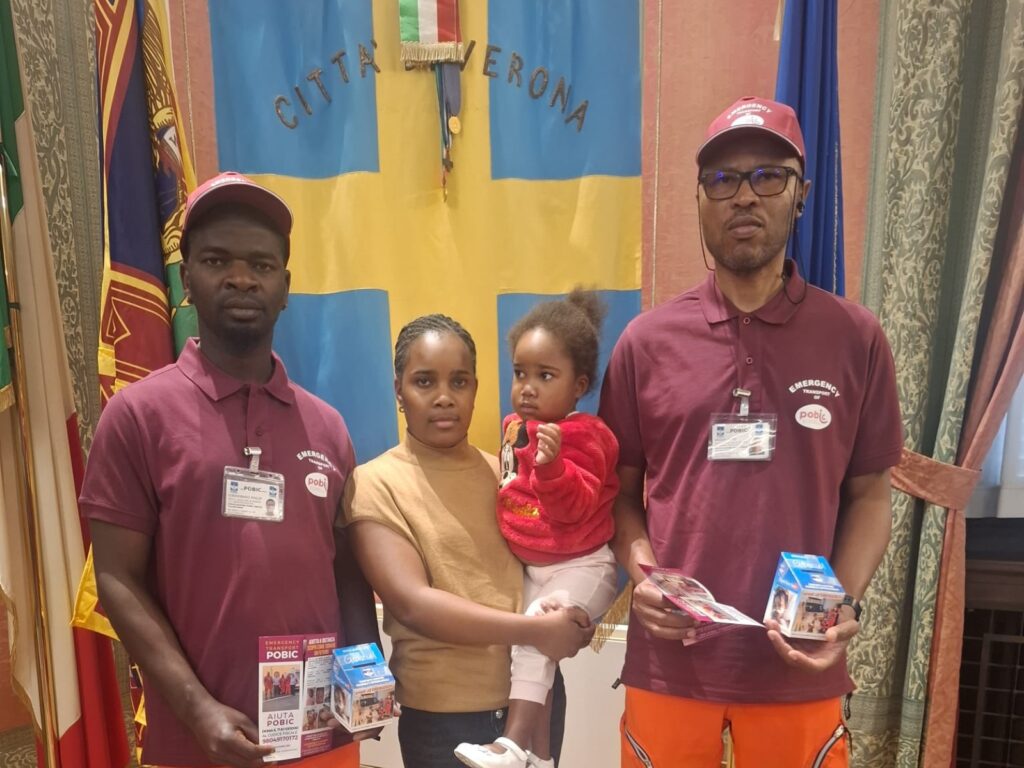
May 9
Jeremiah and Perl, two new lives saved thanks to the POBIC solidarity network
Jeremiah and Perl: Two More Lives Saved Thanks to Pobic’s Network of Solidarity Jeremiah and Perl: Two Children Who Underwent Heart Surgery Thanks to Pobic Jeremiah and Perl are two children who arrived from Uganda with a concrete hope: to receive the treatment they needed to address a serious heart condition. Thanks to POBIC’s efforts, both underwent heart surgery in Italy and today stand as a new testament to what solidarity can achieve when it translates into organization, care, and continuity. Their stories are not isolated incidents. Jeremiah and Perl are, in fact, the 97th and 98th children accompanied by POBIC on a life-saving treatment journey. This milestone reflects years of work, international partnerships, collaboration with specialized healthcare facilities, and a constant presence alongside the children and their families. In total, throughout its history, POBIC has supported 423 children: a number that concretely illustrates the depth of a commitment built over time. Solidarity Donation Boxes in Verona: 1,000 Business Owners Supporting POBIC Behind every surgery, there is more than just an operating room. There is a network of people, communities, and small daily gestures that, over time, make something extraordinary possible. A key role is also played by the approximately 1,000 Verona business owners who, for twenty years, have hosted POBIC’s donation boxes. Bars, shops, and local businesses thus become vibrant hubs of widespread solidarity—places where even a small contribution can turn into something enormous: a trip, a surgical procedure, a new chance at life. It is precisely this quiet and tangible network that makes POBIC’s work possible. Solidarity, when shared and nurtured over time, ceases to be an abstract concept and becomes a force capable of transcending borders, distances, and difficulties. https://www.pobic.org/wp-content/uploads/2026/05/h264_yuv420p_858_480_25_1300_aac_64_48000_2.mp4 Thoughts and Colors: Teaching Solidarity in Schools Alongside its healthcare efforts, POBIC continues to promote educational programs on solidarity aimed at the younger generation. The “Thoughts and Colors” project is part of this effort—an educational contest for schools that invites children and teens to express, through drawing, values such as mutual aid, happiness, and caring for others. The connection between the stories of Geremia and Perla and the involvement of schools makes POBIC’s mission even clearer: not only to intervene where there is an urgent need for care, but also to help build a culture of solidarity capable of growing over time and engaging communities, families, students, and local areas. Because saving a life also means teaching compassion. And every gesture, even the smallest one, can become part of a bigger story. THANKS TO YOUR SUPPORT, WE SAVE THE LIVES OF DOZENS OF CHILDREN EVERY YEAR. HELP US DO EVEN MORE. Countries 0 Children operated on 0 Children examined 0 +
READ MORE
February 18
A fragile heart, an urgent surgery: Jeremiah needs us.
A fragile heart, an urgent surgery: Jeremiah needs us. Jeremiah is 11 years old and has lived with a congenital heart defect since birth—a condition that would have required surgery during his early years. Unfortunately, that window of opportunity was missed. Last week, we welcomed him at Linate Airport. It was a long-awaited moment, carefully planned. But when we met him, his condition immediately concerned us. It was no longer a time for waiting. It was time to act. Within a few hours, a decision critical to his life was made: an urgent transfer to Gaslini Hospital in Genoa. Jeremiah was urgently transferred to Gaslini Hospital, a national and international center of excellence for pediatric cardiology. There, he was immediately taken under care and admitted. The situation remains delicate, but as of today, Jeremiah is being cared for by an expert team that is monitoring every parameter with care and attention. In moments like these, it’s not just the diagnoses that matter. What matters is the speed of decision-making, the expertise of the professionals, and the ability to activate an effective care network. Pediatric Cardiology and Preoperative Evaluations In the coming days, Jeremiah will undergo all the necessary preoperative evaluations to determine the procedure and timing of the surgery. Each test helps to precisely define the clinical picture, reduce risks, and establish the safest possible treatment plan. POBIC will be by his side at every stage of this journey: during checkups, while waiting for surgery, and during the post-operative period. Being there doesn’t just mean organizing a medical trip. It means accompanying a child through one of the most vulnerable moments of his life. Solidarity and international healthcare cooperation: a story yet to be written Thanks to the support of those who believe in international healthcare cooperation, a child who, until just a few days ago, had no access to specialized care is now being treated at one of Europe’s leading pediatric centers. Every mission is more than just a medical procedure. It’s a bridge between countries, expertise, and people. Jeremiah is no longer alone. And this is the first, crucial step. THANKS TO YOUR SUPPORT, WE SAVE THE LIVES OF DOZENS OF CHILDREN EVERY YEAR. HELP US DO EVEN MORE. Countries 0 Children operated on 0 Children examined 0 +
READ MORE
January 5
POBIC on two fronts: excellence in sports integration in Mantua and health mission in Nigeria
POBIC on Two Fronts: Excellence in Sports Inclusion in Mantua and a Healthcare Mission in Nigeria Organizing a top-tier sporting event to promote inclusion while simultaneously launching a life-saving healthcare project in Africa. POBIC demonstrates that its commitment to inclusion knows no boundaries and allows for no half-measures. An extraordinary event that sets an example On Sunday, December 18, Mantua’s swimming pools hosted the third edition of an event that has become a benchmark for inclusive sports in the region: the Inclusive Water Polo and Swimming Trophy organized by US Acli. The event brought together the region’s top sports teams—Andes H, Virgiliana Mantova, and Pallanuoto Verona—for a day that successfully combined competition, inclusion, and fair play. But it was more than just a sports event. The event served as a true model of how sports can break down barriers and build communities. The two water polo teams from Polisportiva Andes H competed alongside athletes from Virgiliana Mantova in an atmosphere of enthusiasm and participation that engaged not only the athletes but also the many spectators in attendance. The day saw the participation of prominent figures from the worlds of sports and government: Presidents A and B of US Acli; the leadership of Polisportiva Andes H, with captain Andrea Barbi on defense and Elena Scartezzini and Jenny Schwanius on offense; and top-level swimming coaches such as Marley Bianchi. Also present were Davide Norea, Diego Corradi, Alberto Cotti, and Viola Pilati from Virgiliana, offering a concrete demonstration of how integration in sports is possible when there is commitment, expertise, and passion. POBIC’s Role in the Organization Elena Nolli, of the POBIC Foundation, played a crucial role in coordinating the event. Together with figures such as Stefano Pilati and Umberto Nolli, Elena helped make possible an event that saw the participation of over 20 young people from Virgiliana Mantova and swimmers from Tazio in Bagnolo San Vito. The awards ceremony recognized all the key participants: Davide Sarassi, winner of the swimming events; Andrea Barbi; Stefano Pilati; Viola Pilati; Osama Bassiouni; and Claudio Zigorani. A rising star, Marta Bonetti, stood out on the Open H team. Otto Bio of Tazio di Bagnolo San Vito claimed the title in the running race. POBIC was not merely a sponsor. The organization, through Giancarlo Nolli (head of international solidarity projects) and his daughter Elena (a member of the coordinating committee), invested energy, expertise, and resources to make this event a success. An event that cemented the friendship between various members of the Mantua and Verona sports communities, creating a model for integration through sports that has already set the goal of being replicated with enthusiasm and discipline next year as well. At the same time, thousands of kilometers away… And just as Mantua was celebrating this extraordinary day of inclusive sports, POBIC was carrying out another chapter of its mission: the international one. A few weeks before the Mantua event, representatives of the foundation were in Lagos, Nigeria, to launch a partnership destined to change the lives of hundreds of children. The meeting with the Down Syndrome Foundation Nigeria marks the beginning of an ambitious project rooted in POBIC’s established expertise in Africa. For while in Mantua, inclusion takes place in the lanes of the pool and through the excitement of the races, in Nigeria, inclusion means something even more urgent: access to life-saving care. In Nigeria, one case of Down syndrome is recorded for every 865 live births. Many of these children are born with congenital heart defects that require immediate surgery. The problem is dire: heart surgery can cost over 10 million naira, a sum that is completely out of reach for the vast majority of Nigerian families. Without that surgery, many of these children will not survive. Nike Denis, national director of the Down Syndrome Foundation Nigeria, highlighted the country’s two main challenges: stigmatization and exclusion from the healthcare system. Many parents hide their children with Down syndrome for fear of discrimination, while the local healthcare system lacks the resources to provide the necessary care. Read the full article here. POBIC’s Experience That Makes a Difference POBIC is no newcomer to Nigeria. The foundation has been operating in the country since 2015, when it conducted its first training sessions on cardiopulmonary resuscitation for doctors at the Federal Medical Center in Yenagoa. Over the years, through its “Open Heart” projects, POBIC has facilitated surgical procedures for Nigerian children at leading Italian hospitals such as the Gaslini in Genoa, building a network of medical expertise and international relationships that today represents a valuable asset. The collaboration with the Down Syndrome Foundation Nigeria is the natural evolution of this decade-long commitment. POBIC brings its cardiac surgery expertise and established healthcare networks to the field, integrating them with the Nigerian foundation’s in-depth knowledge of the local context. The goal is to dramatically improve access to specialized medical care for people with Down syndrome in Nigeria, with a particular focus on cardiac emergencies. According to experts, life expectancy for people with Down syndrome in Africa is beginning to rise thanks to advances in access to healthcare. But there is still a long way to go. Priorities include early diagnosis, timely treatment, inclusive education, and awareness programs that change cultural perceptions of disability. Two Projects, One Vision Organizing a premier sporting event like the Mantua Trophy and launching a life-saving healthcare project in Nigeria may seem like two separate missions. In reality, they are two sides of the same coin: POBIC’s total commitment to the integration and inclusion of people with disabilities. In Mantua, POBIC works to build a culture of inclusive sports that serves as a model and inspiration for other communities. An event that is not just a festival and celebration, but a means of building networks, skills, and, above all, community. It is an investment in the future of young athletes who, together, learn that differences are a source of richness and that sports belong to everyone.
READ MORE
December 5
POBIC and Down Syndrome Foundation Nigeria embark on a new collaboration
POBIC and the Down Syndrome Foundation Nigeria Launch a New Partnership The Italian foundation POBIC met with the Down Syndrome Foundation Nigeria to launch a cooperation project dedicated to people with Down syndrome. The Italian foundation POBIC recently met with representatives of the Down Syndrome Foundation Nigeria at the Nigerian organization’s headquarters in Lagos. The meeting marks the start of a new international partnership in the field of support for people with Down syndrome. The Situation Regarding Down Syndrome in Nigeria According to epidemiological studies, the incidence of Down syndrome in Nigeria is 1 case per 865 live births. These data come from research conducted over a 9-year period in Nigerian hospitals. Cytogenetic analysis of 386 patients showed that 95.5% of cases are due to regular trisomy 21. However, experts emphasize that the actual figures may be higher. Most births in Nigeria take place in non-conventional settings such as churches and traditional facilities that do not keep records. Furthermore, many cases go unreported for statistical purposes due to traditional beliefs that associate congenital malformations with superstitions. Challenges in the Health and Social Care System Mrs. Rose Mordi, President of the Down Syndrome Foundation Nigeria, has identified two main issues: stigmatization and exclusion from the country’s health care support system. According to public interviews, many parents hide their children with Down syndrome due to shame or fear of discrimination. The Nigerian healthcare system has significant limitations in providing care for people with Down syndrome. Many children are born with congenital heart defects that require corrective surgery. She stated that sending a patient abroad for heart surgery can cost over 10 million naira, an amount that is unaffordable for most Nigerian families. Challenges that limit early diagnosis and the collection of accurate data include: Limited healthcare facilities offering prenatal screening services; a shortage of professional healthcare workers; weak data management and registration systems; and fears, misconceptions, or beliefs about testing and disability High costs and transportation issues Limited access to education and services People with Down syndrome in Nigeria face difficulties in accessing inclusive education. The Down Syndrome Foundation Nigeria operates a residential support center where it provides specialized education to children. According to Mrs. Rose Mordi, integration into mainstream schools remains problematic due to persistent stigma. The organization has highlighted that stigmatization manifests itself through cultural prejudices, social exclusion, and, in some cases, religious discrimination. In some rural Nigerian communities, intellectual disabilities are still perceived as misfortunes or divine punishments. The Legal Framework According to the Down Syndrome Foundation Nigeria, people with Down syndrome in Nigeria are generally not recognized as legal persons, which means that their legal capacity can be revoked simply because they have Down syndrome. Although laws exist that nominally prohibit discrimination against people with disabilities, enforcement of these laws remains weak or largely unnoticed. The Role of the Down Syndrome Foundation Nigeria The Down Syndrome Foundation Nigeria was founded in 2001 as a non-governmental, apolitical, and nonprofit organization. The organization operates through affiliations with Down Syndrome International, Inclusion International, the African Down Syndrome Network, and the Africa Disability Forum. The foundation provides support to people with Down syndrome and intellectual disabilities, creating a community that includes parents, guardians, caregivers, and other stakeholders. Services include educational programs, therapies, and public awareness campaigns to reduce stigma. In recent years, the organization has formed partnerships with entities such as the Lagos State Health Management Agency (LASHMA) to expand access to healthcare, and with Cummins West Africa Ltd. for projects aimed at empowering people with disabilities. POBIC’s Experience in Africa The POBIC Foundation is an Italian NGO with many years of experience in healthcare projects in Africa. The foundation has carried out missions in Nigeria, Uganda, and Ghana, focusing primarily on cardiac surgery through its “Open Heart” projects. POBIC’s activities in Nigeria date back at least to 2015, when the organization conducted training sessions on cardiopulmonary resuscitation for doctors at the Federal Medical Center in Yenagoa. In the past, POBIC has facilitated surgical procedures for Nigerian children at Italian hospitals such as the Gaslini Hospital in Genoa. The New Partnership The meeting between POBIC and the Down Syndrome Foundation Nigeria marks the beginning of a cooperative project designed to integrate POBIC’s medical expertise and international networks with the Down Syndrome Foundation’s local experience and knowledge of the Nigerian context. The operational details of the collaboration are currently being finalized, but the stated goal is to improve access to specialized medical care for people with Down syndrome in Nigeria, with a particular focus on congenital heart conditions that frequently affect this population. Future Outlook According to experts, life expectancy for people with Down syndrome in Africa is beginning to rise thanks to improvements in access to healthcare. This makes the need to develop adequate and sustainable support systems increasingly urgent. The identified priority areas for action include: Improving access to quality healthcare Early diagnosis and treatment Inclusive education Awareness programs for healthcare providers, educators, and the general public Strengthening protection and inclusion policies The collaboration between POBIC and the Down Syndrome Foundation Nigeria is part of this effort, with the goal of contributing to the development of a more accessible and inclusive care model for people with Down syndrome in Nigeria. THANKS TO YOUR SUPPORT, WE SAVE THE LIVES OF DOZENS OF CHILDREN EVERY YEAR. HELP US DO EVEN MORE. Countries 0 Children operated on 0 Children examined 0 +
READ MORE
October 19
New Hope for Pearl: A Ugandan Girl’s Journey Thanks to the Open Heart Pobic Project
New Hope for Pearl: A Ugandan Girl’s Journey Thanks to the Open Heart Pobic Project The Open Heart Pobic Project continues to give a voice and a future to children with severe heart conditions in the world’s most vulnerable communities. This is the story of Nyamata Shamairah Pearl, a Ugandan girl just over two years old, whose life was profoundly changed—and saved—by a surgical procedure made possible by international solidarity. From the Ugandan countryside to Italy: the beginning of the journey Pearl was born on May 23, 2023, in the Kabarole District of western Uganda. Her parents, Davis and Neelam, live in a rural village in the Bunyangabu district, where her father works in agriculture and runs a small business, while her mother cares for Pearl full-time. The baby’s first few months of life seemed normal. But by around eight months of age, her parents began to notice worrying signs: shortness of breath after playing, an irregular heartbeat, and episodes of weakness. Despite initial reassuring consultations at local health centers, it wasn’t until early 2025 that Pearl was referred to the Uganda Heart Institute, where an echocardiogram led to the definitive diagnosis: Type 2C tricuspid atresia, a rare and complex congenital heart defect that could not be treated locally. Pobic’s Intervention In this situation, the Open Heart Pobic project was able to intervene promptly. Thanks to a referral from the local network and a recommendation from the Ugandan Ministry of Health, Pobic took charge of organizing the girl’s transfer to Italy, specifically to the Gaslini Children’s Hospital in Genoa. In collaboration with the Flying Angels association and with the support of local and institutional partners, the entire treatment process was arranged: from the medical visa to the flights, from her arrival to her admission to the hospital. The Surgery and Critical Moments Pearl’s first surgery was performed on September 3, 2025. The postoperative period was complex: the little girl experienced critical moments in the intensive care unit, including a cardiac arrest and another round of resuscitation. The medical teams at Gaslini managed the situation with the utmost care, maintaining constant communication with the Pobic staff. Between CT scans, specialized tests, and invasive procedures such as catheterization, her progress was monitored with extreme care. Pearl’s mother, Neelam, remained by her side throughout her hospital stay, receiving logistical and psychological support thanks to the network established by Pobic in the local area. The First Signs of Recovery After intense weeks, the most eagerly awaited news arrived in mid-October: Pearl was extubated and began responding positively to treatment. The photos and videos shared by the medical staff show a girl who is exhausted but alert, and finally able to hold her mother’s hand again. Healthcare staff confirmed that her clinical condition, while still delicate, is improving. The family’s return tickets were also rebooked to accommodate the new post-operative schedule. A Concrete Example of International Cooperation Pearl’s story is about much more than a single medical case. It exemplifies how a network of international solidarity can work: from the early identification of a need, to the mobilization of medical, logistical, and institutional resources, all the way to providing tangible, human support to the families involved. Thanks to the Open Heart Pobic project, Pearl now has a new chance at life. Her story is also a call to continue supporting this effort, so that more and more children can receive the care they deserve, regardless of where they are born. How to contribute: The Open Heart Pobic project is supported exclusively by donations, partner organizations, and fundraising initiatives. A long-distance sponsorship program for Pearl is also currently being launched, through which you can support her during her recovery and follow-up cardiac care in the coming months. THANKS TO YOUR SUPPORT, WE SAVE THE LIVES OF DOZENS OF CHILDREN EVERY YEAR. HELP US DO EVEN MORE. Countries 0 Children operated on 0 Children examined 0 +
READ MORE
October 19
On Mission to Accra: Towards a Research Protocol on Rheumatic Disease in Ghana
On a Mission to Accra: Toward a Research Protocol on Rheumatic Heart Disease in Ghana From September 14 to 18, 2025, Ada Caraffini, Director of Operations for the Pobic Association, took part in a mission to Ghana, along with cardiologist Davide Morolla. The goal of the trip was to begin work on developing a research protocol on the prevalence of rheumatic heart disease in children, with a specific focus on the 3- to 15-year-old age group, which is most affected by this condition. During the mission, Pobic collaborated with the Cardiothoracic Teaching Hospital in Accra—one of the country’s leading referral centers—alongside pediatric cardiologist Prof. Nana-Akyaa Tao and Dr. Innocenti Adzamil, professionals who have been dedicated for years to the diagnosis and treatment of pediatric cardiovascular diseases. Rheumatic Heart Disease: A Preventable but Still Widespread Condition Rheumatic heart disease is a chronic condition that develops following acute rheumatic fever, generally triggered by a Group A beta-hemolytic streptococcal infection (such as untreated pharyngitis or tonsillitis). If not treated promptly, the inflammation can cause permanent damage to the heart valves, leading to serious complications such as heart failure, arrhythmias, and the risk of premature death. This condition primarily affects children and adolescents in settings where access to timely medical care is limited. According to the World Health Organization, more than 39 million people worldwide live with rheumatic heart disease, with the greatest burden concentrated in low- and middle-income countries. Why Ghana, specifically? Ghana is among the African countries where rheumatic fever continues to have a significant impact on pediatric health.Numerous local studies confirm a high incidence among school-aged children, exacerbated by factors such as limited access to primary health care services, poor availability of timely antibiotic treatment, and socioeconomic and environmental conditions that contribute to the spread of untreated respiratory infections. In this context, the development of a targeted research protocol represents a fundamental first step toward collecting reliable data, understanding the true extent of the phenomenon, and designing evidence-based health interventions in the future. One Step at a Time The development of a protocol agreed upon with Ghanaian clinical and institutional partners will enable Pobic to: strengthen cooperation with the local healthcare system, contribute to the epidemiological understanding of a disease that is all too often neglected, and lay the groundwork for possible future developments, in line with the association’s international mission. As Ada Caraffini herself emphasized in her mission report, this is an important first step, but one that must be taken with care, attentiveness, and collaboration. Pobic will continue to document the progress of this project, sharing updates and reflections with its community and partners. Follow our social media channels so you don’t miss the latest updates from Ghana and our other missions around the world. THANKS TO YOUR SUPPORT, WE SAVE THE LIVES OF DOZENS OF CHILDREN EVERY YEAR. HELP US DO EVEN MORE. Countries 0 Children operated on 0 Children examined 0 +
READ MORE
June 8
Competition Thoughts and Colors: When Solidarity is Colored with Creativity
"Thoughts and Colors" Contest: When Solidarity Takes on the Colors of Creativity Four schools, hundreds of young artists, one big heart. The POBIC contest concluded with an extraordinary celebration of solidarity. When POBIC launched the “Pensieri e Colori” contest during the 2024–2025 school year, the idea was as simple as it was powerful: to ask children to imagine what a T-shirt expressing solidarity, mutual aid, and the joy of being together would look like. It was a way to bring together art, education, and the values that have guided the association in Italy and around the world for over thirty years. The response was overwhelming. Four Schools, One Shared Challenge From the province of Verona to that of Cremona, four schools enthusiastically took up the challenge: Solinas Elementary School in Verona, Brazzuoli Elementary School in Pozzaglio, Vescovato Elementary School, and Castelvetro Elementary School. Four different schools, united by a desire to get involved and to express, through colors and shapes, what it means to help others. The children drew inspiration from the stories told in class, from fairy tales, and from their own personal emotions. They drew hearts embracing the world, hands clasped together, rainbows connecting continents, and smiles that transcend all borders. Each piece was a small masterpiece of purity and hope. A Journey of Creativity and Anticipation After the submission deadline in March, the most exciting phase began: online voting. Families, friends, teachers, grandparents—everyone participated, sharing the drawings on social media and cheering on the young artists. POBIC’s social media channels were filled with color and messages of encouragement. For weeks, the excitement grew. The three best drawings from each school were selected, and finally, on May 30 and 31, 2026, it was time for the big celebration at the Zanzarina d’Oro in Calvatone. There, a jury of experts had the difficult task of choosing the winners from among extraordinary works, each one capable of moving and inspiring reflection. The Solidarity Podium At the end of an emotionally charged ceremony, the winners were announced: First Place – Solinas Elementary School, VeronaAn explosion of colors and symbols that captured the essence of POBIC’s mission: every child in the world deserves care, love, and a future. The winning drawing will be printed on the official POBIC 2026 T-shirt, worn by the association’s volunteers in Italy and abroad. The school will also receive a prize of 1,000 euros to be used for educational projects. Second Place – Brazzuoli Elementary School, PozzaglioA work that moved viewers with its delicacy and depth, simply conveying the value of friendship and mutual support. Third Place – Vescovato Elementary School: A creation brimming with energy and optimism that won over both the jury and the audience with its freshness and universal message of hope. Everyone Is a Winner But while the podium has its stars, the real victory was a collective one. Every child who participated helped spread a powerful message: solidarity can be colorful, joyful, and contagious. They learned that even a simple drawing can make a difference, can bring people together across distances, and can save lives. Because that is exactly what POBIC has been doing for over thirty years: saving lives. Through the Open Heart program, it has performed free surgeries on more than 50 children with heart conditions in Nigeria and Uganda. Through Emergency Transport, it has donated ambulances and trained healthcare personnel in Africa and Ukraine. In 2024 alone, it helped 2,200 displaced families in Ukraine and provided medical care to 200 children in Uganda. All of this is possible thanks to those who believe in solidarity. And this year, thanks also to the young artists from Verona, Pozzaglio, Vescovato, and Castelvetro, who have shown that change begins with a blank sheet of paper and lots and lots of imagination. What’s Next? The winning T-shirt will be worn with pride by POBIC volunteers on their upcoming international missions. A symbol that will travel from Italy to Africa, carrying with it the message that Italian children want to send to children around the world: you are not alone. We care for you. And who knows—maybe among these young artists is already the next doctor, the next volunteer, the next person who will dedicate their life to helping others. Because, as POBIC says: “If each of us decided, in our own small way, to do something for others every day, the world would be a much more beautiful place.” And these children have already started. THANKS TO YOUR SUPPORT, WE SAVE THE LIVES OF DOZENS OF CHILDREN EVERY YEAR. HELP US DO EVEN MORE. Countries 0 Children operated on 0 Children examined 0 +
READ MOREOPERATING HEADQUARTERS
- Registered office / operational office Via Romanino 1 25123 Brescia
- +39 0376920464
- ong-pobic@ong-pobic.org
CONTACTS
Registered/Operational office
Via Romanino 1
25123 Brescia
Tel - +39 0376-920464
Headquarters
V. Belfiore No. 9
Bozzolo (MN)
Operations Headquarters
Via Santa Maria in Conio, 10
35131 Padua PD
SUBSCRIBE TO THE NEWSLETTER
But let there be a nest in the velvet viverra bibendum in ac nisi. Even let the dui vitae sem
GALLERY




- ONG POBIC ODV