Do you have questions?

+39 0376 920464

Euro
Select Payment Method
Personal Info

Credit Card Info
This is a secure SSL encrypted payment.

Donation Total: $10.00

World Heart Day: For many children, getting treatment is still a privilege

Pediatric heart diseases: when the place of birth affects access to care

A heart disease can affect a child anywhere in the world. What changes, often decisively, is the possibility of discovering it in time and receiving the necessary care.

On September 29, World Heart Day is celebrated, promoted by the World Heart Federation to draw attention to cardiovascular diseases and their impact. For POBIC, this anniversary also represents an opportunity to speak about a less visible inequality: the one that separates children who can quickly access diagnosis and treatment from those for whom receiving care remains a difficult, costly, or even impossible journey.

In fact, not all children born with a heart condition face the same prospects.

Congenital heart diseases are structural or functional abnormalities of the heart present from birth. Some can be kept under control, while others require prompt diagnosis, specialized care, or surgery.

In countries with structured healthcare systems, a child with heart disease can undergo the necessary tests already during pregnancy or in the first days of life. From that moment on, they are monitored by pediatric cardiologists and guided toward the most appropriate treatment path.

In many areas of the world, however, this support network is either unavailable or accessible only to a portion of the population.

The distance from hospitals, the shortage of specialized doctors, the cost of tests, and the lack of facilities capable of performing complex procedures can delay diagnosis. As a result, the disease is identified when symptoms are already evident and the child's condition has become more difficult to treat.


It is in this gap between the need for care and the possibility of receiving it that a treatable condition can turn into a life-threatening one.


Congenital heart diseases are not the only ones that exist

To the congenital problems are added heart conditions that can develop during childhood. Among these is rheumatic heart disease, caused by damage to the heart valves resulting from one or more episodes of rheumatic fever.

According to the World Health Organization, it is the most common acquired heart disease among people under 25 years of age. It mainly affects children and adolescents living in low- and middle-income countries or in communities where access to health services is limited.


The disease can originate from a streptococcal infection which, if recognized and treated promptly, can prevent very serious consequences. However, not all families have the ability to reach a healthcare facility, bear the costs of treatment, or encounter personnel capable of making a correct diagnosis.

In this case as well, the problem is not just the presence of the disease. It is the lack of a network capable of recognizing it and intervening before the damage to the heart becomes permanent.

Caring for a child means building an entire path

When talking about heart surgery, attention understandably focuses on the operating room. But making the treatment of a child possible means tackling a much broader journey.

Before the surgery, visits, tests, precise diagnoses, and consultations between professionals are required. When medical care must be provided far from the country of origin, it is necessary to organize travel, prepare documents, identify the available facility, and ensure the reception of the child and their companion.

After the surgery, recovery and check-ups begin, leading up to returning home and continuing the healthcare journey.


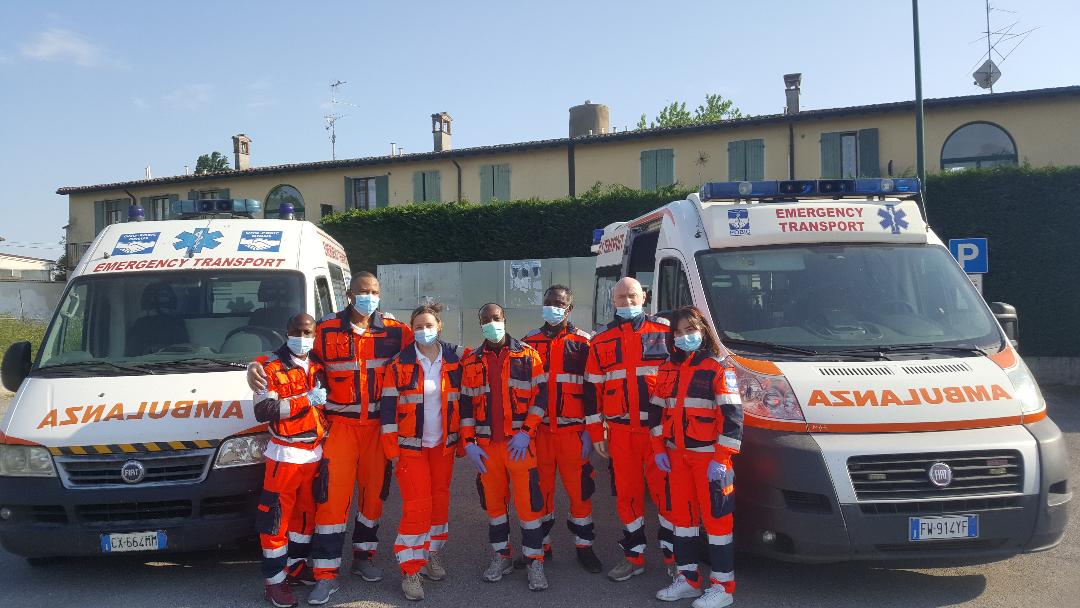
Behind a saved life there is therefore a network made up of doctors, hospitals, volunteers, families, associations, and donors. Different people who assume a part of the responsibility necessary to accompany that child from diagnosis to treatment. It is complex work, often barely visible, but essential.

Open Heart: the heart of POBIC's commitment

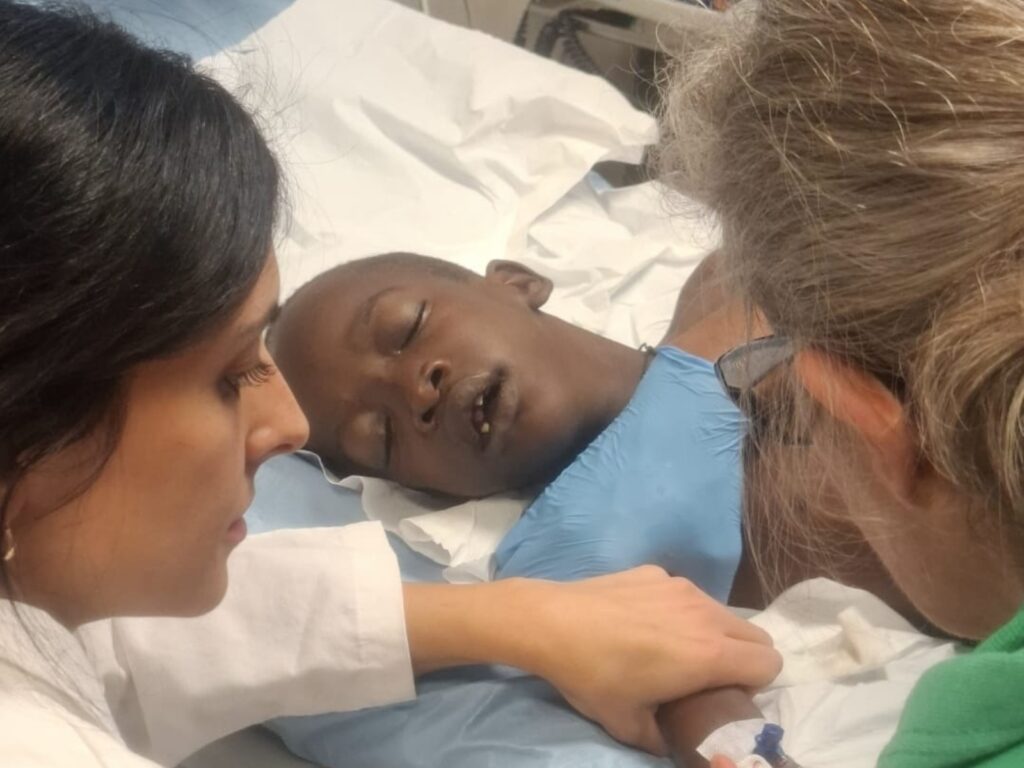
Through the Open Heart project, POBIC helps children suffering from severe heart conditions who cannot receive the necessary treatment in their own country.

The goal is not only to allow access to surgery. It means following the child throughout the entire journey, collaborating with healthcare facilities, supporting organizational aspects, and accompanying the family at a time when the difficulty of facing a journey far from home is added to the fear of illness.

The stories of Jeremiah and Perl, who arrived from Uganda and underwent surgery in Italy, tangibly demonstrate the value of this network. Their journey is not an isolated event, but part of a commitment that POBIC has pursued for years to offer a chance of medical care to children who would otherwise risk not having one.

Every intervention gives a future back to a child. But it also tells a bigger story: it demonstrates what can happen when medical expertise, international cooperation, and solidarity manage to work in the same direction.

Early diagnosis can change a life

Ensuring access to care also means strengthening the ability to identify conditions before they become more severe.

This is why pediatric cardiology check-ups, the availability of diagnostic tools, the training of local healthcare personnel, and ongoing collaboration with hospitals and specialists are essential.

Early diagnosis of heart disease makes it possible to evaluate the most appropriate treatment path and, whenever possible, intervene before the child's condition worsens. Healthcare cooperation cannot therefore be limited to emergency response: it must help build skills, relationships, and continuity.

This is an important perspective also for the work initiated by POBIC in Ghana on rheumatic heart disease, with the aim of contributing to the understanding of its prevalence among children and laying the groundwork for interventions based on reliable data.

World Heart Day: turning attention into a concrete opportunity

World Heart Day reminds us every year how important it is to protect cardiovascular health. But not everyone starts from the same condition and not everyone has the same tools.

For some children, the problem is not knowing that a cure exists. It is managing to reach it.

Bridging this distance requires professionalism, organization, and resources.

It requires hospitals available to welcome young patients, doctors capable of following them, volunteers ready to accompany them, and people willing to support their journey.

A donation to POBIC helps make this network possible and supports other children in getting the care they need. Because the place where a child is born should not decide whether their heart will keep beating.

September 2026
M T W T F S S
 123456
78910111213
14151617181920
21222324252627
282930  

Author

  • Enrico has been working in digital marketing and communication for over ten years. His personal journey, which has also included difficult moments and new beginnings, has taught him to recognize the value of vulnerabilities and people. Today he is an active part of Pobic's communication team: he manages the website, writes content, and helps tell stories of projects and testimonials with respect, concreteness, and authenticity. For him, communicating does not mean making reality look better, but rather conveying it with dignity and making it feel closer.

    View all articles