


Category Open Heart

September 26
How Artificial Intelligence Can Transform Healthcare in Africa
How Artificial Intelligence Can Transform Healthcare in Africa In Africa, technology and AI are emerging as powerful tools for addressing the continent’s healthcare challenges. Technology is reshaping the world of medicine, modernizing the healthcare sector, and making services more accessible, efficient, and patient-centered. Among the most talked-about innovations is artificial intelligence, which is also poised to lead a potential revolution in the medical field. However, it is imperative to ensure that the benefits of these innovations reach every corner of the globe, especially in Africa and low-income countries. In the meantime, watch the video below in which we welcome the last three Ugandan girls who underwent surgery in Italy https://youtu.be/TjU5Bzg0eBc The Role of AI in African Innovation In recent years, there has been a boom in the use of AI to solve healthcare problems on the African continent. This ranges from data management in Morocco to genome sequencing in South Africa, from medical image analysis in Ghana to COVID-19 monitoring in Ethiopia. For example, in Mozambique, healthcare workers have been testing the use of portable X-ray machines connected to an AI program to diagnose tuberculosis in less than five minutes, with accuracy comparable to that of doctors. The Science for Africa Foundation (SFA Foundation) has announced $2.4 million in funding to promote the equitable use of AI to improve the health and lives of Africans. This investment aims to support African researchers and innovators, enabling them to drive change with local and sustainable solutions. The innovation also offers a solution to the shortage of doctors and qualified healthcare workers in Africa. Many countries on the continent are seeing their healthcare professionals emigrate to wealthier nations. “One of the greatest benefits of AI in Africa is helping healthcare workers do more with limited resources,” said Ayomide Owoyemi, an expert in public health and technology at the University of Illinois, USA, in an interview. “AI can support less-qualified healthcare workers who provide basic healthcare, which is essential for addressing the ongoing loss of doctors.” https://youtu.be/A50pNFikpyo Pobic’s Technologies in Africa Our organization also leverages technology to improve community health in Africa. Pobic is committed to providing essential health services and uses innovative tools to address local challenges. A community-based approach is crucial to ensuring that health solutions are sustainable and meet the specific needs of local populations. Through the Ozone Therapy project, we use new equipment to treat Buruli ulcer and other tropical sores and ulcers, avoiding the practice of “surgical curettage”; in addition to our commitment to reducing complications resulting from scar tissue and functional impairment in patients. Through the Open Heart program, we identify boys and girls in Africa and Eastern European countries suffering from severe heart conditions who require targeted cardiac surgery. Investments and Challenges for Artificial Intelligence in Africa Limited infrastructure poses a significant challenge for the implementation of AI-based healthcare programs in Africa. Many areas of the continent lack the reliable electricity or internet access necessary to support large-scale AI projects. Furthermore, most machine learning algorithms are trained on datasets from outside Africa, limiting their effectiveness in the local context. Fortunately, there are ongoing programs at African universities and private companies that are collecting local health data to train models specific to the region. “In the future, healthcare will become increasingly digital, and AI in Africa will be a key tool for moving in this direction,” explained Rebecca Distler of the Patrick J. McGovern Foundation. THANKS TO YOUR SUPPORT, WE SAVE THE LIVES OF DOZENS OF CHILDREN EVERY YEAR. HELP US DO EVEN MORE. Countries 0 Children operated on 0 Children examined 0 +
READ MORE
August 29
Women's Conditions in Africa: Challenges and Progress
The Status of Women in Africa: Challenges and Progress The status of women in Africa is a topic of great importance and complexity. This article explores the various challenges that African women face on a daily basis, as well as the progress made in certain areas thanks to local and international initiatives. (Watch the video and learn about one of POBIC’s projects dedicated to women) Major Challenges for Women in Africa Access to Education Access to education is one of the main obstacles for women in many parts of Africa. According to UNESCO, approximately 52 million school-age girls are not attending school. This problem is exacerbated by cultural, economic, and geographic factors. Gender-Based Violence Gender-based violence is a devastating reality for many African women. WHO studies indicate that 45% of African women have experienced physical or sexual violence. This issue is often underestimated due to a lack of reporting and social norms that perpetuate silence. Health and Healthcare Services Access to healthcare services is critical for women, especially during pregnancy and childbirth. In many rural areas, the lack of adequate facilities and qualified medical personnel leads to extremely high maternal mortality rates. African women are also vulnerable to diseases such as HIV/AIDS, which have a devastating impact on their lives and communities. THANKS TO YOUR SUPPORT, WE SAVE THE LIVES OF DOZENS OF CHILDREN EVERY YEAR. HELP US DO EVEN MORE. Countries 0 Children operated on 0 Children examined 0 + The Status of Women in Africa: Progress and Initiatives Economic Empowerment In recent years, various initiatives have aimed to improve the economic conditions of African women. The Pobic organization, through its “Pobic for Women” program, provides support to all women via shelters located around the world. Through this project, it creates employment opportunities through social activities—such as micro-sewing workshops—thereby promoting economic independence and reducing poverty. Education and Training Numerous educational programs are helping to improve access to education for girls. The “Pobic for Women” project provides 60 hours of training and work guided by an in-house team, enabling thousands of women to access quality education and increasing their future opportunities. Health and Well-being Pobic works to improve access to health services in rural areas. Over 200 women have been examined, and a quarter of them have received treatment and diagnostic tests. These initiatives support the training of local midwives, the construction of clinics, and the distribution of essential medicines. The Role of Government Policies in Improving the Status of Women in Africa Government policies are crucial for improving the status of women in Africa. Several African countries have adopted laws and policies aimed at protecting women’s rights and promoting gender equality. However, the effective implementation of these laws remains a challenge. Legislation on Gender-Based Violence Countries such as South Africa and Rwanda have enacted strict laws against gender-based violence. These laws aim to provide legal protection to victims and punish perpetrators. The effectiveness of such laws depends on their strict enforcement and community awareness. Rural Development Programs Rural development programs aim to improve living conditions in remote areas, where women face the greatest challenges. These programs include infrastructure development, access to health and educational services, and the promotion of sustainable agricultural practices. STATISTICS Here are some relevant facts: According to the World Bank, in 2019, women accounted for 49.6% of the world’s population, with a similar proportion in Africa. The UNDP’s Gender Inequality Index combines three parameters: inequality in health, labor market participation, and empowerment. These parameters are defined based on various indicators such as the maternal mortality rate, the adolescent fertility rate, the number of female members of parliament, and the proportion of the population with at least a secondary education. The composite gender inequality index ranges from zero to one: the higher the value, the greater the level of gender inequality. 63% of women forced to live in extreme poverty are in Sub-Saharan Africa. Gender inequality costs, on average, $95 billion per year. These statistics demonstrate that gender inequalities represent a significant problem that affects the lives of many women on the continent and the African economy. Solutions to Improve the Protection of Women in Africa The conditions facing women in Africa are influenced by multiple factors that require an integrated, multisectoral approach. Although the challenges are enormous, the progress made in recent years shows that change is possible. Education, economic empowerment, access to healthcare, and government policies play a crucial role in improving the lives of African women. Pobic is constantly committed to taking action by providing assistance and a visible presence through concrete projects aimed at improving lives in the areas most in need. The Open Heart humanitarian project identifies those who require cardiac surgery due to heart conditions, offering tangible help to African women by protecting the lives of their children. Continuing to support and develop these initiatives is essential to building a more equitable and prosperous future for all women on the continent. HELP US DO EVEN MORE Every donation is vital to us. YOU CAN CONTRIBUTE, TOO
READ MORE
July 15
The Third World between history and current events: how POBIC helps constantly
The Third World: History and Current Events—How POBIC Provides Consistent Support The Third World: History and Current Events The term “Third World” takes us to the heart of a geopolitical landscape that encompasses issues that remain central to the international political and social framework to this day. The global debate on critical issues such as significant population growth, the lack of adequate infrastructure, economic development, and food insecurity is shifting its focus to the current situation in sub-Saharan Africa—that is, the region encompassing the entire area south of the Sahara. We are talking about structural vulnerabilities that extend from the western part of the continent to the so-called “Horn of Africa,” and which primarily concern the resurgence of poverty and civil conflicts due mainly to the return of famine. (Watch the video below, in which we welcome the latest group of girls who have arrived in Italy to join the OPEN HEART project) https://youtu.be/TjU5Bzg0eBc Third World Countries: What’s Happening The Third World as we know it today reflects a series of controversies rooted in history and, in particular, in its centuries-old relationship with the modernized West. Alarming events that are a daily occurrence in countries such as Nigeria, the Democratic Republic of the Congo, Somalia, and Mozambique could in fact be considered the “aftermath” of predominantly political control that took place between the late 19th century and the first half of the 20th century, with the partition of various territories across the sub-Saharan region among Western powers and the massive exploitation of local resources. Despite the collapse of colonial regimes and the territorial autonomy achieved after World War II, African states nevertheless suffered from a clear state of underdevelopment even during the “decolonization” phase, caused largely by the heavy legacy of the administration implemented by European powers. THANKS TO YOUR SUPPORT, WE SAVE THE LIVES OF DOZENS OF CHILDREN EVERY YEAR. HELP US DO EVEN MORE. Countries 0 Children operated on 0 Children examined 0 + Why It’s Called the Third World It is within this historical context—characterized by widespread demands for recognition on the part of African states, which simultaneously found their place within the global political landscape—that the term “Third World” emerged. The term was coined by the French economist and sociologist Alfred Sauvy in 1952 in one of his articles, drawing on what was known during the revolutionary era as the “Third Estate,” comprising the less affluent segments of the population. Sauvy’s intent was to identify all those countries that were neither economically integrated into the capitalist system of the West—that is, the “First World”—nor ideologically aligned with the Soviet East, known as the “Second World,” which stood in political opposition to the First. A New Geopolitical Order Beyond the hegemony exercised by the two blocs, a a completely unprecedented geopolitical order that would go far beyond the traditional East-West dichotomy and would directly involve developing regions of the globe located in the southern hemisphere, such as Africa, Asia, and Latin America. In this way, the socioeconomic identity of the so-called non-aligned countries was becoming increasingly clear, united by a deep desire for liberation and emancipation from imperialist policies. It is no coincidence that in the contemporary media landscape, there is still talk of “Third Worldism,” a concept born of the awareness on the part of the countries involved of the fundamental precariousness of their national economies as a direct consequence of the traumas suffered during colonialism, which African leaders considered the primary cause of the political and economic disaster. In this sense, the issue of Third Worldism has been interpreted as the very will to break free from Western development models, alongside the legitimization of national sovereignty capable of promoting a far more “democratic” vision of progress and collective well-being. However, long-standing internal inequalities and cultural divisions—themselves the result of historical and institutional complexities—have ultimately considerably reduced the ability of African governments to ensure equality among the various segments of the population and, above all, to expand economically. Third World: African Nationalisms The stigma of subjugation by foreign powers has, in a certain sense, served as the driving force behind the emergence of African nationalisms founded on full freedom of self-determination in governance, a goal that the Third World’s massive debt to creditors or other states with significantly higher levels of wealth has made—and continues to make—difficult to achieve. Today’s austerity policies, with the resulting marginalization of African nations from international trade networks, can be interpreted as a modern form of subordination exercised by peoples who were once advocates of direct control over their entire territory. If we consider the underdevelopment afflicting much of the African continent, we cannot overlook that kind of dependence which, even if through seemingly dissimilar dynamics, would likely justify our perception of the past in relation to a reinterpretation of the present. Given the significant disparities that persist regarding living standards, consumption of goods, and access to services compared to nations with higher levels of industrialization, it would be a mistake to ignore what today could be considered, to all intents and purposes, the new geopolitical narrative arising from an increasingly marked contrast between the northern and southern hemispheres. To combat the economic challenges facing the developing world, POBIC works tirelessly to address a problem with deep historical roots that leads to enormous health challenges. The “Open Heart” project, which saves dozens of children every year, was born there. Find out now what it’s all about. HELP US DO EVEN MORE Every donation is essential to us. YOU CAN CONTRIBUTE, TOO
READ MORE
June 27
The challenges for children in Africa: how Pobic operates on the continent
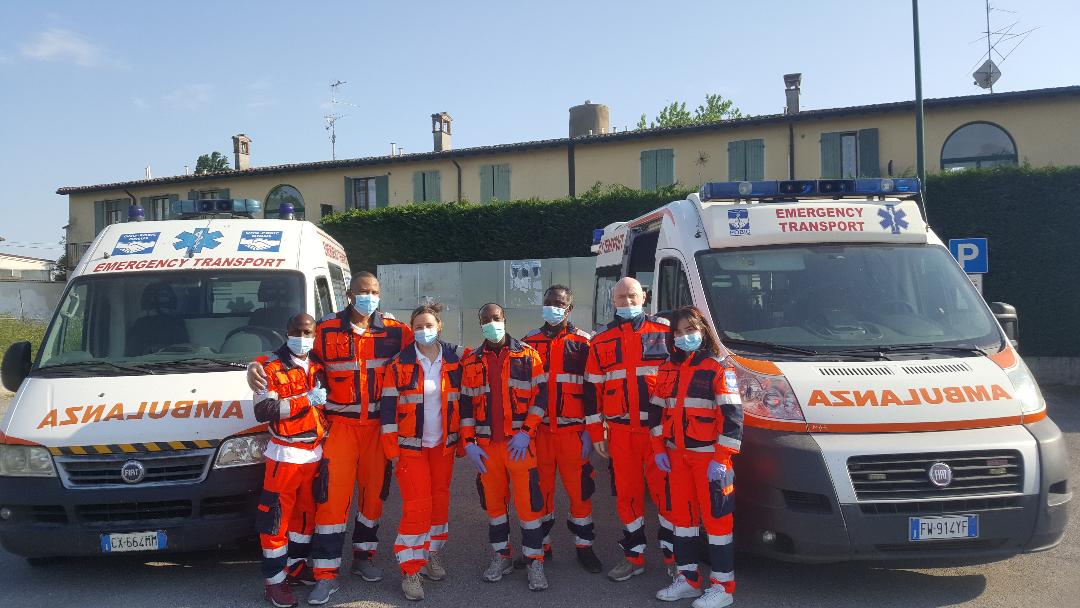
Challenges Facing Children in Africa: How Pobic Operates on the Continent Initiatives to Improve the Lives of Children in Africa: Health, Education, and Protection. Children in Africa make up a significant portion of the continent’s population, with more than 50% of Africans under the age of 18. Their living conditions vary greatly depending on the region and socioeconomic context. In many rural areas, access to basic services such as safe drinking water, education, and healthcare is limited. Malnutrition is a widespread scourge, with approximately 46.7 million children at risk in West and Central Africa due to conflicts and displacement. This alarming figure, reported in a UNICEF press release on December 22, 2023, highlights the serious consequences of humanitarian crises in the region. Therefore, as is widely known, the situation for children in Africa is by no means simple, but the difficulties they face can be alleviated by initiatives aimed at improving their prospects, including those implemented by Pobic. (Watch the video below in which we welcome the latest group of girls who have arrived in Italy to join the OPEN HEART project) The Importance of Education Education is one of the keys to breaking the cycle of poverty, but many African children lack access to a quality education. In some regions, schools are far away and poorly equipped, and there are not enough teachers. Girls, in particular, face additional barriers, such as gender discrimination and early marriage. However, various programs are underway to improve access to education, such as initiatives by NGOs that build schools and provide scholarships. THANKS TO YOUR SUPPORT, WE SAVE THE LIVES OF DOZENS OF CHILDREN EVERY YEAR. HELP US DO EVEN MORE. Countries 0 Children treated 0 Children examined 0 + Technology for children’s health in Africa Health conditions pose another critical challenge. Diseases such as malaria, measles, and diarrhea continue to cause numerous deaths among children. Limited access to healthcare services, combined with poverty, makes it difficult for many families to obtain the necessary care. Vaccination campaigns and health awareness initiatives are essential to improving this situation. In this context, services such as the Emergency Transport program run by Pobic are essential for ensuring that children and people with limited mobility can access the necessary treatment. Emergency Transport is a vital service for people with limited mobility—whether temporary or permanent—including people with disabilities, the elderly, and anyone who has difficulty getting around. This service is essential for those who require medical transportation for hospital visits, medical exams, or transfers within the region or to other regions. The ambulances, staffed by Pobic volunteers, ensure that patients receive the necessary care promptly, significantly improving their quality of life. Open Heart Humanitarian Project The Open Heart project is a humanitarian program that identifies children in Africa and Eastern European countries suffering from serious heart conditions that require specialized surgical procedures. These children are brought to Italy along with their mothers and undergo pediatric cardiac surgery at the Giannina Gaslini Hospital in Genoa. After treatment, the children return to their home countries. The next phase of the project aims to develop local expertise and infrastructure so that these surgeries can be performed directly in their home countries. POBIC is the home in Yenagoa that provides shelter for mothers and children in need. Children in Africa and the Many Challenges They Face Children in Africa face numerous challenges, but with the right support and appropriate policies, they have the potential to change the continent’s future. Investing in children’s education, health, and rights is not only a moral imperative but also a fundamental strategy for Africa’s sustainable development. The international community, together with local governments and nongovernmental organizations, must continue to collaborate to create an environment in which all African children can thrive. Learn about Pobic’s initiatives and support our organization to ensure proper care for children in Africa. HELP US DO EVEN MORE Every donation is essential to us. YOU CAN CONTRIBUTE, TOO
READ MORE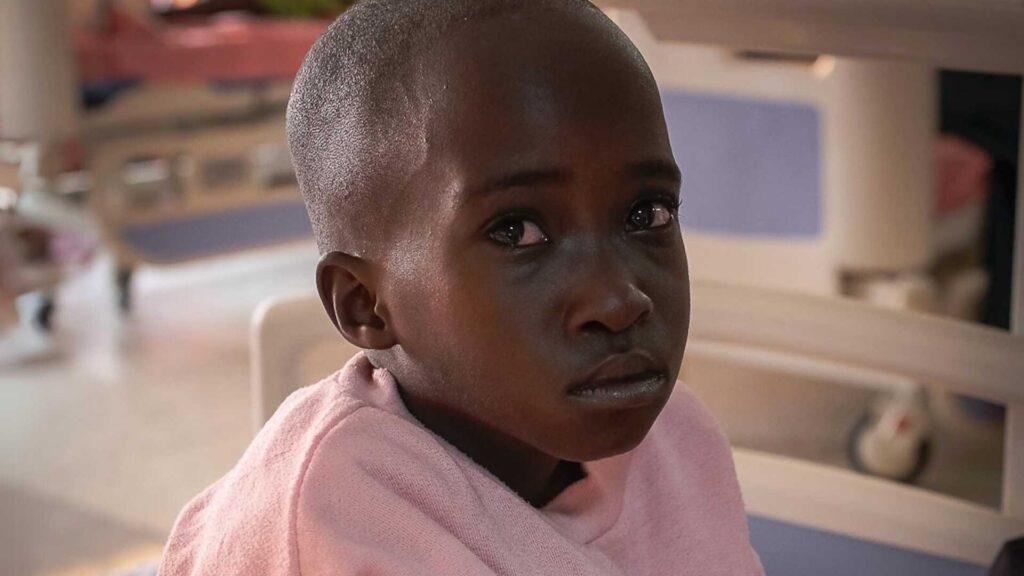
June 8
Mary Ariella and Jernita have landed: a firsthand account from those who were there.
Mary, Ariella, and Jernita Have Landed: An Account from Someone Who Was There Their arrival, as told by Simran. Yesterday, the day began very early. We left at 4 a.m. headed for Malpensa Airport, where the flight from Uganda—carrying the three girls we were eagerly awaiting, Mary, Ariella, and Jernita—was scheduled to land at 7:10 a.m. However, the flight was delayed by 20 minutes, and after security checks and baggage claim, the girls emerged from the arrivals gate around 9 a.m. There are fundraising campaigns for them. Learn more about their story in the links below. Ariella Is Dying Mary’s Heart Is Failing Jernita Can’t Breathe https://youtu.be/TjU5Bzg0eBc Mary’s Fragile Life: First Critical Checkup As soon as they came out, our first concern was Mary, who is in particularly critical condition. We immediately placed her on a stretcher to check her oxygen saturation, which was at 86. This reading was a relief, since a saturation level below 50 would have required emergency transport by ambulance with sirens blaring to the Gaslini Hospital in Genoa. Fortunately, that wasn’t necessary. Mary’s sister arrived with her; she had stayed with Mary in the ambulance to keep her company and reassure her. The other two mothers were accompanying their daughters, Ariella and Jernita, who were also in serious condition, though less critical than Mary’s. We asked the accompanying adults if there had been any complications during the flight, but they reassured us that everything had gone smoothly and that the flight attendants had also been a great help. So, we set off for Gaslini Hospital, a journey of about 40 minutes. THANKS TO YOUR SUPPORT, WE SAVE THE LIVES OF DOZENS OF CHILDREN EVERY YEAR. HELP US DO EVEN MORE. Countries 0 Children operated on 0 Children examined 0 + Initial Assessments at Gaslini: Every Minute Counts Upon arrival at Gaslini Hospital in Genoa, we headed to the emergency room, where the staff at the registration desk checked the vital signs of all three girls. After this initial check, they were taken to a small room with beds for further tests. Mary and Ariella were taken for an echocardiogram and a chest X-ray. There we met Dr. Carmelo Arcidiacono, a physician already known to the POBIC association, who had participated in a screening in Nigeria last year, where he had diagnosed the serious condition of Destiny, another girl we had operated on. This year he led a screening in Uganda, which is why we brought Mary, Ariella, and Jernita to Italy for surgery. Decisions to Be Made: Mary and Ariella Under Examination The situation became clear: Mary would be admitted immediately, while a catheterization procedure was scheduled for Ariella on Tuesday. To avoid constant travel between Mantua and Genoa, they decided to find a hospital bed for Ariella. Jernita, on the other hand, could return home to Bozzolo for the time being, since her condition was slightly more stable. Sudden Changes: Ariella’s Fragile Condition Meanwhile, the doctor who had performed the X-ray confirmed the severity of Ariella’s condition. However, new information came in: Ariella would be admitted, but not to Gaslini, rather to another hospital. We were told this while we were admitting Mary and Jernita, the two girls in the most serious condition, to the hospital. A nurse came to us to have us sign some papers and, in the meantime, informed us of the change of plans. Initially, Dr. Arcidiacono had told us that they would simply increase Ariella’s medication dosage. Conclusion of the Day: A Continuing Fight for Life After further clarification, they confirmed that the nurse had made a mistake: Ariella would not be admitted to another hospital but would remain with us. At the end of the day, Mary and Jernita were admitted to Gaslini Hospital, with Jernita scheduled for a catheterization on Tuesday and Mary awaiting a surgery that could save her life. Ariella and her mother were settled in Bozzolo, in the apartment we had prepared by cleaning and furnishing it the day before. Recap: A Crucial Day Mary and her sister are hospitalized at Gaslini Hospital in Genoa. Jernita and her mother are also at Gaslini. Ariella and her mother are in Bozzolo, in the apartment prepared by the association. This intense and tense day is just a small part of the work we do to save these children’s lives. Every step is crucial, and every decision can mean the difference between life and death. HELP US DO EVEN MORE Every donation is essential to us. YOU CAN CONTRIBUTE, TOO
READ MOREOPERATING HEADQUARTERS
- Registered office / operational office Via Romanino 1 25123 Brescia
- +39 0376920464
- ong-pobic@ong-pobic.org
CONTACTS
Registered/Operational office
Via Romanino 1
25123 Brescia
Tel - +39 0376-920464
Headquarters
V. Belfiore No. 9
Bozzolo (MN)
Operations Headquarters
Via Santa Maria in Conio, 10
35131 Padua PD
SUBSCRIBE TO THE NEWSLETTER
But let there be a nest in the velvet viverra bibendum in ac nisi. Even let the dui vitae sem
GALLERY




- ONG POBIC ODV