



Category Current events
10 Oct
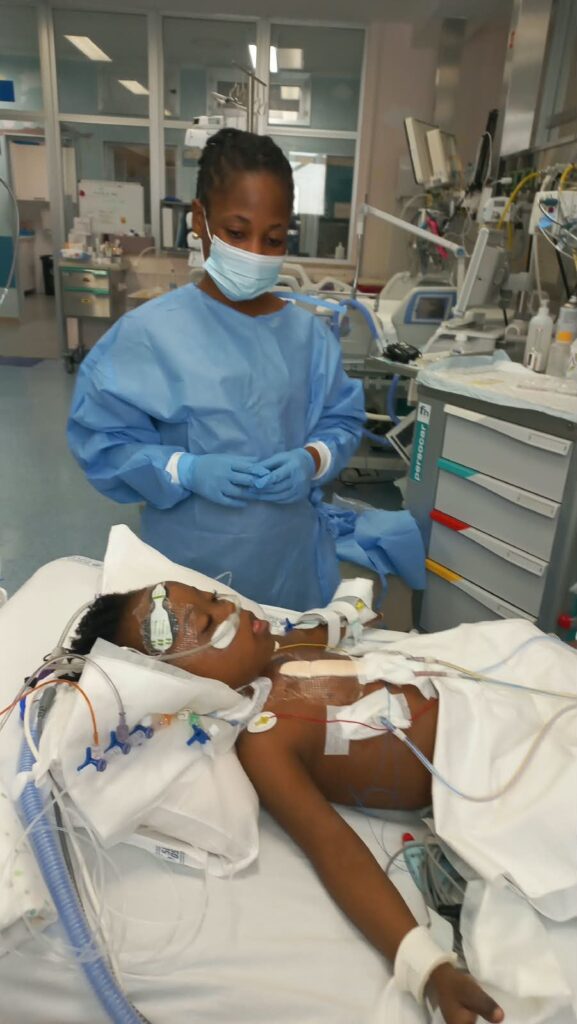
From Nigeria to Gaslini: Praise operated on the heart with the support of Pobic
From Nigeria to Gaslini: Praise underwent heart surgery with the support of Pobic. Three years, a journey from Nigeria to Italy and a path of care for congenital heart disease. On September 28, 2026, Praise underwent heart surgery at the Gaslini Hospital in Genoa. The Pobic ETS Foundation continues to support him and his family. For a child who needs cardiac care, getting to the hospital is a crucial step. When those treatments require a trip to another country, the journey begins long before the intervention. This is the story of Praise, a three-year-old Nigerian boy who arrived at Malpensa Airport on September 7, 2026, to undergo an important course of treatment at the Gaslini Hospital in Genoa. At his side, the Pobic ETS Foundation, which accompanies him along with his family. Praise’s journey and the heart surgery Praise has Down syndrome and congenital heart disease with a septal defect, indicated in the documentation received as CIV. His arrival in Italy allowed the start of the evaluation and treatment process at Gaslini, leading to the heart surgery on September 28, 2026. This was an important and delicate moment for him and his family. It is a milestone that illustrates the importance of being able to access the necessary care and having someone by your side during the journey. Pobic’s commitment continues after the surgery, maintaining support for Praise and his family. Pobic and access to care for children with heart diseases The story of Praise gives a concrete face to Pobic’s commitment to children with heart problems. Through the Open Heart project, Pobic supports access to care for children with severe heart diseases, accompanying them towards specialist interventions. Behind every path there is a child, a family and the need to face complex steps with concrete support. For Praise, this means being accompanied away from home during a particularly delicate phase of their life. THANK YOU FOR YOUR SUPPORT, WE SAVE LIVES OF DOZENS OF CHILDREN EVERY YEAR. HELP US DO MORE EVERY TIME. Countries 0 Children operated 0 Children visited 0 +
READ MORE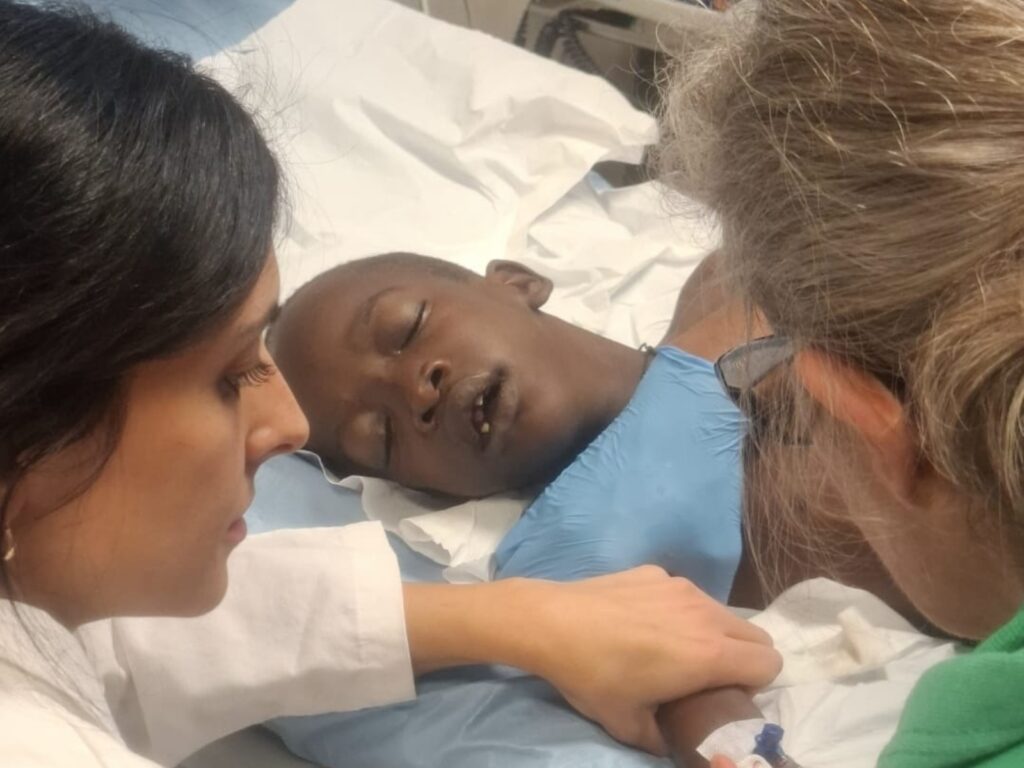
Sep 20
World Heart Day: For many children, getting treatment is still a privilege
World Heart Day: For Many Children, Access to Care Is Still a Privilege Childhood Heart Disease: When Place of Birth Determines Access to Care A child anywhere in the world can develop heart disease. What makes a difference—often a decisive one—is the ability to detect it early and receive the necessary treatment. September 29 marks World Heart Day, promoted by the World Heart Federation to raise awareness about cardiovascular diseases and their impact. For POBIC, this occasion also represents an opportunity to address a less visible inequality: the one that separates children who can quickly access a diagnosis and treatment from those for whom seeking care remains a difficult, costly, or even impossible journey. In fact, not all children born with a heart condition have the same opportunities ahead of them. Congenital heart defects are abnormalities in the structure or function of the heart present from birth. Some can be managed, while others require prompt diagnosis, specialized care, or surgery. In countries with well-established healthcare systems, a child with a heart condition can undergo the necessary tests as early as during pregnancy or in the first days of life. From that point on, the child is monitored by pediatric cardiologists and guided toward the most appropriate treatment plan. In many parts of the world, however, this care network is either unavailable or accessible only to a portion of the population. Distance from hospitals, a shortage of specialized physicians, the cost of tests, and the lack of facilities capable of performing complex procedures can delay diagnosis. As a result, the condition is often detected only when symptoms are already evident and the child’s condition has become more difficult to treat. It is in this gap between need and access to care that a treatable condition can become life-threatening. Not all heart conditions are present from birth. In addition to congenital problems, there are heart conditions that can develop during childhood. Among these is rheumatic heart disease, caused by damage to the heart valves resulting from one or more episodes of rheumatic fever. According to the World Health Organization, this is the most common acquired heart disease among people under the age of 25. It primarily affects children and adolescents living in low- and middle-income countries or in communities where access to health care is limited. The disease can result from a streptococcal infection which, if recognized and treated promptly, can prevent very serious consequences. However, not all families have the means to reach a healthcare facility, cover the costs of treatment, or consult staff capable of making a correct diagnosis. Here, too, the problem is not merely the presence of the disease. It is the lack of a system capable of recognizing it and intervening before the damage to the heart becomes permanent. Treating a child means building an entire care pathway. When it comes to heart surgery, attention understandably focuses on the operating room. But making a child’s treatment possible involves a much broader process. Before surgery, there are consultations, tests, precise diagnoses, and collaboration among professionals. When treatment must take place outside the child’s home country, it is necessary to organize the trip, prepare the necessary documents, identify an available facility, and ensure that the child and their companion are properly accommodated. After the operation, recovery and follow-up care begin, continuing until the child returns home and their medical journey continues. Behind every life saved, therefore, lies a network of doctors, hospitals, volunteers, families, organizations, and donors—a diverse group of people who each take on a share of the responsibility needed to guide that child from diagnosis to treatment. It is a complex task, often unseen but indispensable. Open Heart: The Heart of POBIC’s Commitment Through the Open Heart project, POBIC helps children with serious heart conditions who cannot receive the necessary treatment in their own country. The goal is not merely to provide access to surgery. It means supporting the child throughout the entire process, collaborating with healthcare facilities, managing the organizational aspects, and supporting the family at a time when the fear of the illness is compounded by the challenge of facing a long journey away from home. The stories of Jeremiah and Perl, who came from Uganda and underwent surgery in Italy, vividly illustrate the value of this network. Their journey is not an isolated incident but part of a commitment that POBIC has been carrying out for years to offer a chance at treatment to children who might otherwise go without it. Every surgery gives a child a future. But it also speaks to something greater: it demonstrates what can happen when medical expertise, international cooperation, and solidarity work together toward a common goal. Early Diagnosis Can Change a Life Ensuring access to care also means strengthening the ability to detect conditions before they become more serious. This is why pediatric cardiology visits, access to diagnostic tools, training for local healthcare staff, and ongoing collaboration with hospitals and specialists are essential. Early diagnosis of a heart condition allows for the evaluation of the most appropriate course of action and, when possible, intervention before the child’s condition worsens. Health cooperation cannot, therefore, be limited to responding to emergencies: it must contribute to building expertise, relationships, and continuity. This perspective is also crucial for the work POBIC has launched in Ghana on rheumatic heart disease, with the goal of increasing awareness of its prevalence among children and laying the groundwork for interventions based on reliable data. World Heart Day: Turning Awareness into Tangible Opportunity World Heart Day reminds us every year how important it is to protect cardiovascular health. But not everyone starts from the same starting point, and not everyone has access to the same resources. For some children, the problem isn’t knowing that treatment exists—it’s being able to access it. Bridging this gap requires expertise, organization, and resources. It requires hospitals willing to care for young patients and skilled doctors
READ MORE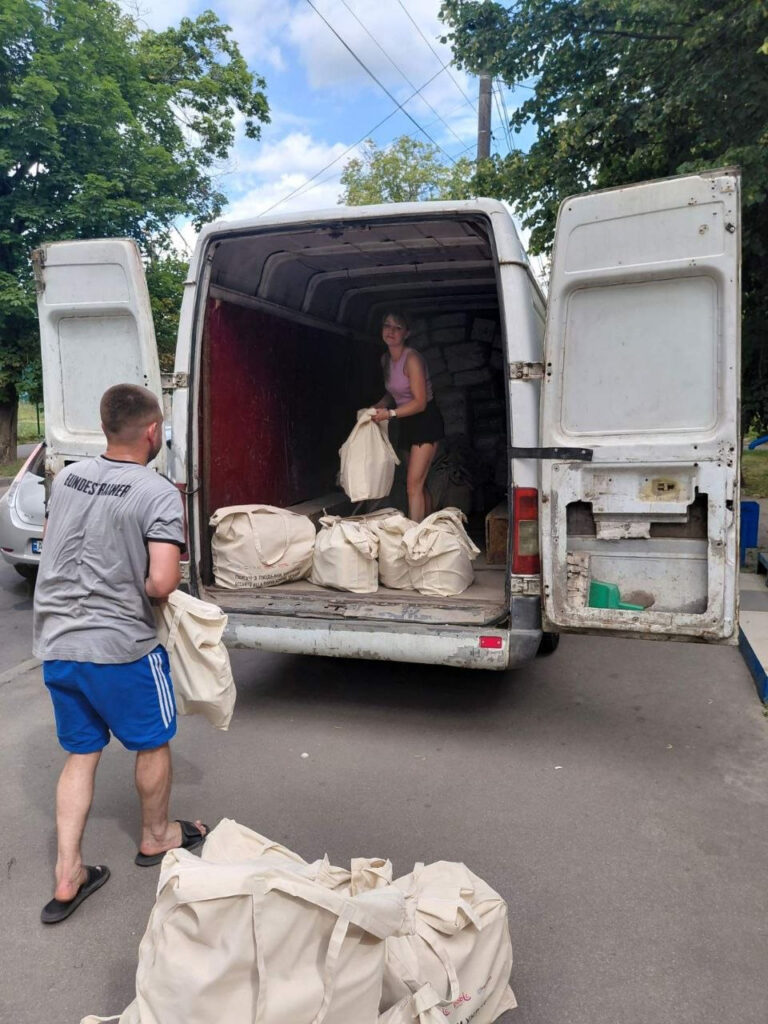
August 10
Ukraine, the Acqua Viva project reaches the communities of Kharkiv: 1,089 personal hygiene kits distributed
Ukraine: The Acqua Viva Project Reaches Communities in Kharkiv. As of June 30, four out of ten kits had been prioritized for people in particularly vulnerable situations and in need, including people with disabilities and the elderly. When a war drags on, international attention risks waning before the needs of the population are met. For those living in the Kharkiv region, however, the emergency is not just a distant news story. It continues to affect daily life, access to essential goods, and the ability to care for oneself with dignity. It is in this context that the Acqua Viva 04/UCr/13157/2026 project continues, funded by AICS Kiev and implemented with the direct participation of the NGO POBIC. As of June 30, 1,089 personal hygiene kits had been distributed to communities in the Kharkiv region. This tangible result marks the transition from the availability of aid to its actual distribution throughout the region. From 15 metric tons of supplies to distribution in communities In the previous update on the Acqua Viva project, POBIC reported the arrival in Kharkiv of approximately 15 metric tons of personal hygiene products. The latest data documents the next phase of the intervention: the received supplies were organized into kits and progressively distributed to the target communities. This is not merely a matter of quantifying the aid delivered. Each distribution represents a response to a daily need that, in a situation of war and displacement, can become difficult to meet. Four out of ten kits went to the most vulnerable people. 40% of the distributed kits were prioritized for people in particularly vulnerable situations and in need, including people with disabilities and the elderly. Allocation was based on an assessment of specific needs, so as to direct support toward those who may face greater difficulties in independently accessing essential goods. This is a key element of the project: not an indiscriminate distribution, but an intervention that takes into account the circumstances of individual people and the inequalities that war tends to exacerbate. For an older adult or a person with a disability, in fact, the disruption of services, the loss of support networks, and difficulties with mobility can make it even more challenging to obtain even the items needed for daily care. Behind every number is a person. Help POBIC continue to stand by the Ukrainian people. PEOPLE REACHED 0 M PERSONAL HYGIENE KITS 0 KITS DISTRIBUTED 0 % Personal hygiene is a matter of health and dignity. In a humanitarian emergency, personal hygiene products may seem less urgent than other forms of aid. In reality, they help protect health, prevent health problems, and preserve people’s dignity. Being able to wash and care for one’s body means maintaining an essential part of one’s daily life, even when war has disrupted routines, relationships, and certainties. The value of the Acqua Viva project also lies in this: recognizing that humanitarian assistance is not just about survival, but also about the right to live in conditions that are as safe and dignified as possible. Essential Aid in an Ongoing Crisis More than four years after the start of the large-scale invasion, the humanitarian crisis in Ukraine remains extremely severe. According to the United Nations Humanitarian Response Plan for 2026, approximately 10.8 million people in the country still need humanitarian assistance. In this context, the distribution of 1,089 kits represents a limited but necessary intervention. It demonstrates how collaboration between humanitarian organizations, on-the-ground workers, and institutions can transform resources and materials into effective support for communities. A kit cannot restore what the war has taken away. However, it can help protect a part of a person’s daily life, health, and dignity. And it is also through concrete actions like this that POBIC continues to stand by the Ukrainian people. The photographs accompanying this update are simple, unstaged, and far removed from the aesthetics typically associated with fundraising campaigns. Their value, however, lies precisely in their authenticity. Security conditions did not allow POBIC staff to travel to the areas affected by the distribution. Access was not authorized because it would have required extraordinary protective measures and procedures in a part of the Kharkiv region that has been subjected to systematic bombardment since April.
READ MORE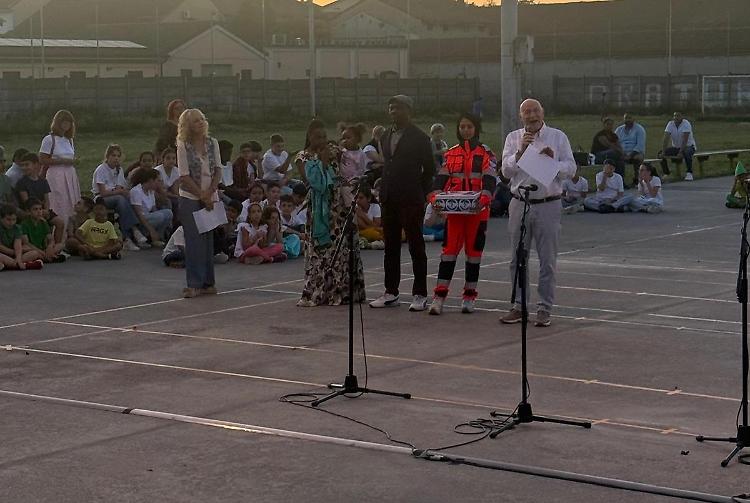
July 3
A concrete gesture of solidarity arises from a show
A School Event Leads to a Concrete Act of Solidarity: The families of the Stefano Magri Elementary School in Vescovato have turned the end of the school year into a form of support that will last over time. There are times when an educational message transcends the stage and becomes a concrete act of solidarity. This is exactly what happened at the Stefano Magri Elementary School in Vescovato, where the students concluded the school year with a performance inspired by Antoine de Saint-Exupéry’s *The Little Prince*. The musical, which involved all the school’s classes, served as the culmination of a program dedicated to friendship, responsibility toward others, and the value of bonds. POBIC volunteers and the organization’s president, Paolo Novellini, also attended the event. From Words to Tangible Help The families“ participation sparked a spontaneous fundraiser, which made it possible to set up a long-distance sponsorship program for a child supported by POBIC. This gesture, born within a school community, has the power to reach far and provide tangible support for a child’s growth. This initiative demonstrates how solidarity can be taught not only through words, but above all through experiences. Children, teachers, and families worked together to transform the values conveyed during the performance into a real choice of compassion and responsibility. POBIC thanks the Stefano Magri Elementary School, the teachers, the students, and all the families who participated in and supported the initiative. Every gesture, even when it originates from a small community, can become the beginning of a story capable of changing a life. Read the full story and testimonials in the article published by *La Provincia di Cremona*. To learn about POBIC’s programs and find out how to sponsor a child, visit the page dedicated to long-distance sponsorships. News source: Antonella Bodini, ”From the Show to Long-Distance Sponsorship: The Great Gesture of Solidarity by the Elementary School Parents,” La Provincia di Cremona, June 29, 2026. Text independently rewritten by POBIC based on the original news article and information regarding the organization’s activities. THANKS TO YOUR SUPPORT, WE SAVE THE LIVES OF DOZENS OF CHILDREN EVERY YEAR. HELP US DO EVEN MORE. Countries 0 Children operated on 0 Children examined 0 +
READ MORE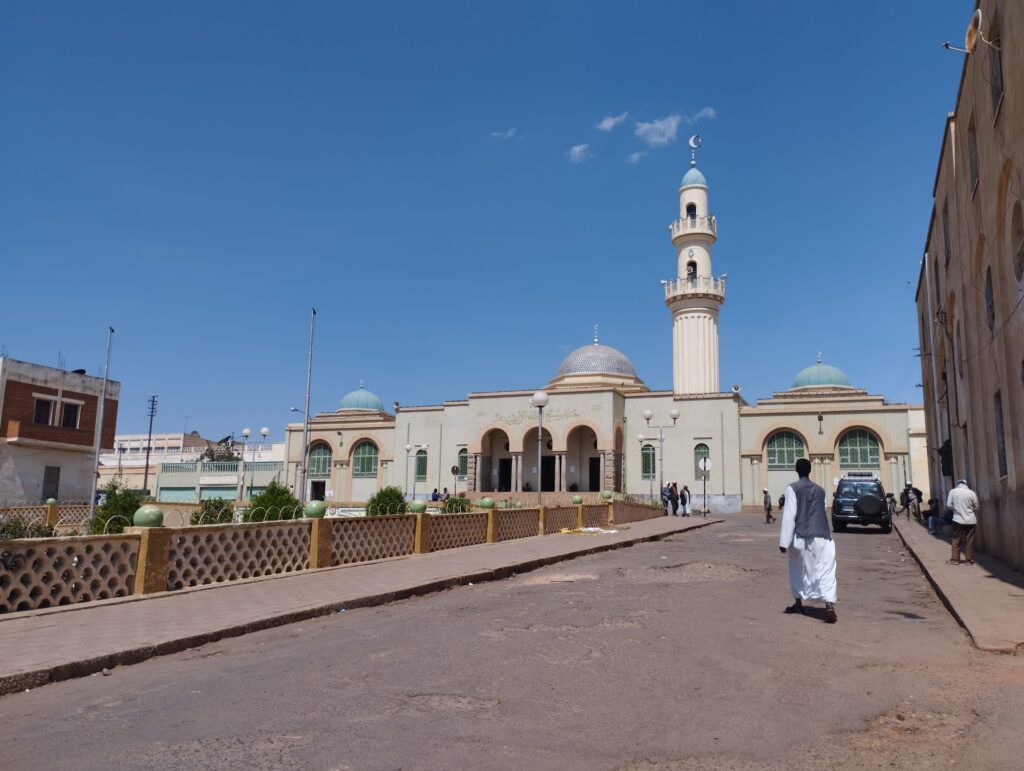
June 9
Official launch of the WECARE project in Eritrea
Official launch of the WECARE project in Eritrea. THANKS TO YOUR SUPPORT, WE SAVE THE LIVES OF DOZENS OF CHILDREN EVERY YEAR. HELP US DO MORE. Countries 0 Children operated on 0 Children examined 0 +
READ MORE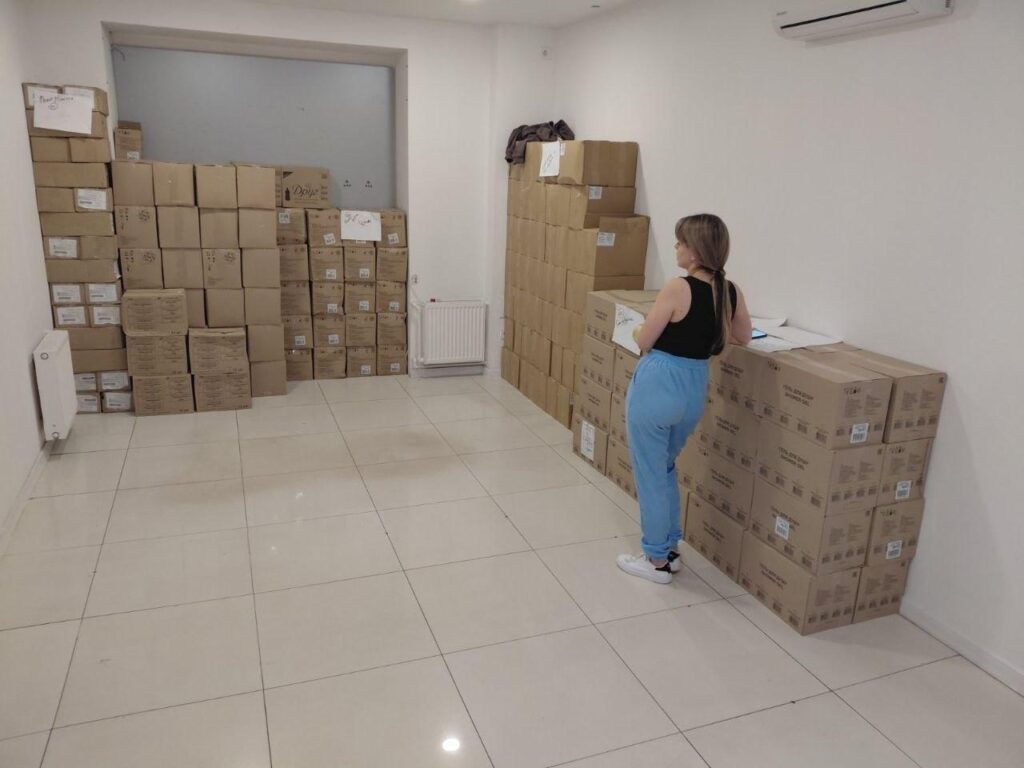
June 1
Ukraine: 15 tons of personal hygiene products delivered to Kharkiv to support displaced persons.
Humanitarian Aid in Ukraine: 15 metric tons of personal hygiene products delivered to Kharkiv. An initiative to support the displaced population: over 1,500 beneficiaries, including 60% with disabilities. In a context still marked by severe tensions and ongoing risks for the civilian population, a new humanitarian operation has made it possible to deliver concrete aid to the city of Kharkiv, one of the areas hardest hit by the conflict in Ukraine. Despite a particularly challenging weekend in terms of operations and security, our colleague Olga, who was on the ground, managed to receive approximately 15 metric tons of personal hygiene products intended to support 1,545 internally displaced persons. The Acqua Viva Project and Support from AICS Kiev This is an initiative of great humanitarian importance, especially considering that at least 60% of the beneficiaries are people with disabilities, who are often among the most vulnerable groups and most exposed to the consequences of war, isolation, and a lack of essential services. The supply includes essential items for daily care and hygiene—goods that, in emergency situations, take on fundamental importance not only from a health perspective but also in terms of personal dignity and the protection of living conditions for people forced to leave their homes. This operation was made possible thanks to the “Acqua Viva 04/UCr/13157/2026” project, funded by AICS Kiev, and represents a further step in supporting Ukrainian civilian communities that continue to face the daily consequences of the conflict. POBIC’s commitment to standing alongside war-affected communities. In areas where access to basic necessities can become extremely difficult, collaboration between local workers, humanitarian organizations, and international partners ensures the continuity of aid and tangible support for the most vulnerable people. Through initiatives like this, POBIC continues to support humanitarian assistance efforts aimed at populations affected by the war, contributing to the distribution of essential goods and providing support to the most vulnerable segments of the civilian population. In situations of forced displacement, access to personal hygiene products is an essential need that is often underestimated. Soap, detergents, personal care products, and other everyday items help not only prevent health problems but also preserve the dignity and well-being of people living in particularly vulnerable conditions. THANKS TO YOUR SUPPORT, WE SAVE THE LIVES OF DOZENS OF CHILDREN EVERY YEAR. HELP US DO EVEN MORE. Countries 0 Children operated on 0 Children examined 0 +
READ MORE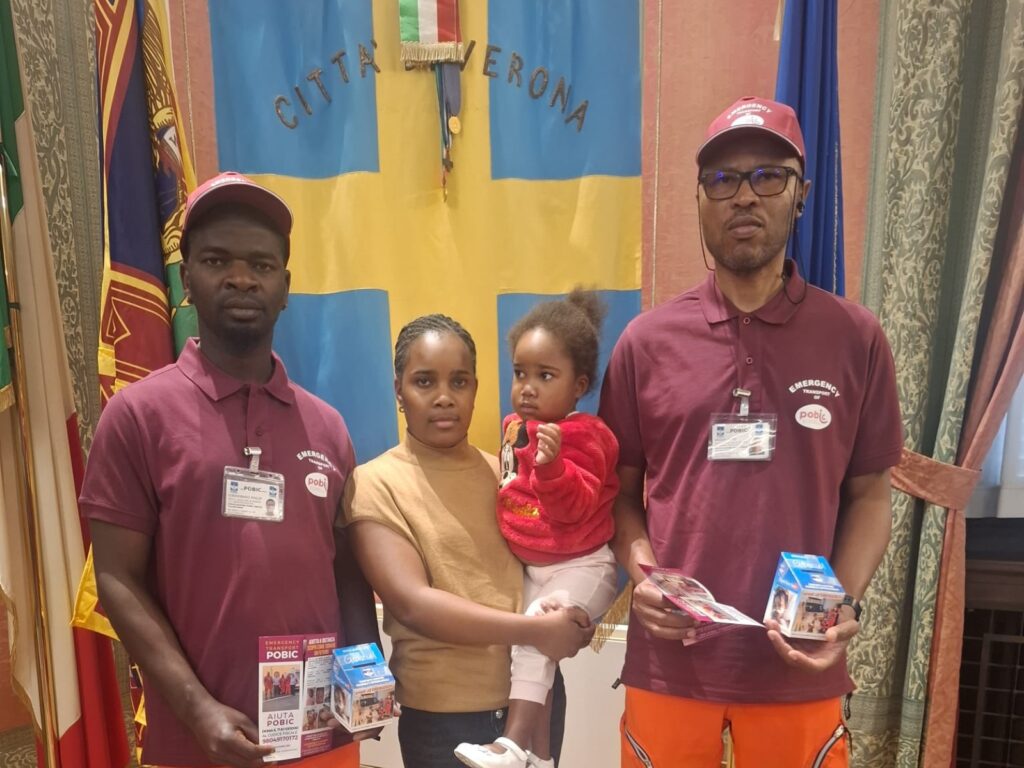
May 9
Jeremiah and Perl, two new lives saved thanks to the POBIC solidarity network
Jeremiah and Perl: Two More Lives Saved Thanks to Pobic’s Network of Solidarity Jeremiah and Perl: Two Children Who Underwent Heart Surgery Thanks to Pobic Jeremiah and Perl are two children who arrived from Uganda with a concrete hope: to receive the treatment they needed to address a serious heart condition. Thanks to POBIC’s efforts, both underwent heart surgery in Italy and today stand as a new testament to what solidarity can achieve when it translates into organization, care, and continuity. Their stories are not isolated incidents. Jeremiah and Perl are, in fact, the 97th and 98th children accompanied by POBIC on a life-saving treatment journey. This milestone reflects years of work, international partnerships, collaboration with specialized healthcare facilities, and a constant presence alongside the children and their families. In total, throughout its history, POBIC has supported 423 children: a number that concretely illustrates the depth of a commitment built over time. Solidarity Donation Boxes in Verona: 1,000 Business Owners Supporting POBIC Behind every surgery, there is more than just an operating room. There is a network of people, communities, and small daily gestures that, over time, make something extraordinary possible. A key role is also played by the approximately 1,000 Verona business owners who, for twenty years, have hosted POBIC’s donation boxes. Bars, shops, and local businesses thus become vibrant hubs of widespread solidarity—places where even a small contribution can turn into something enormous: a trip, a surgical procedure, a new chance at life. It is precisely this quiet and tangible network that makes POBIC’s work possible. Solidarity, when shared and nurtured over time, ceases to be an abstract concept and becomes a force capable of transcending borders, distances, and difficulties. https://www.pobic.org/wp-content/uploads/2026/05/h264_yuv420p_858_480_25_1300_aac_64_48000_2.mp4 Thoughts and Colors: Teaching Solidarity in Schools Alongside its healthcare efforts, POBIC continues to promote educational programs on solidarity aimed at the younger generation. The “Thoughts and Colors” project is part of this effort—an educational contest for schools that invites children and teens to express, through drawing, values such as mutual aid, happiness, and caring for others. The connection between the stories of Geremia and Perla and the involvement of schools makes POBIC’s mission even clearer: not only to intervene where there is an urgent need for care, but also to help build a culture of solidarity capable of growing over time and engaging communities, families, students, and local areas. Because saving a life also means teaching compassion. And every gesture, even the smallest one, can become part of a bigger story. THANKS TO YOUR SUPPORT, WE SAVE THE LIVES OF DOZENS OF CHILDREN EVERY YEAR. HELP US DO EVEN MORE. Countries 0 Children operated on 0 Children examined 0 +
READ MORE
October 19
On Mission to Accra: Towards a Research Protocol on Rheumatic Disease in Ghana
On a Mission to Accra: Toward a Research Protocol on Rheumatic Heart Disease in Ghana From September 14 to 18, 2025, Ada Caraffini, Director of Operations for the Pobic Association, took part in a mission to Ghana, along with cardiologist Davide Morolla. The goal of the trip was to begin work on developing a research protocol on the prevalence of rheumatic heart disease in children, with a specific focus on the 3- to 15-year-old age group, which is most affected by this condition. During the mission, Pobic collaborated with the Cardiothoracic Teaching Hospital in Accra—one of the country’s leading referral centers—alongside pediatric cardiologist Prof. Nana-Akyaa Tao and Dr. Innocenti Adzamil, professionals who have been dedicated for years to the diagnosis and treatment of pediatric cardiovascular diseases. Rheumatic Heart Disease: A Preventable but Still Widespread Condition Rheumatic heart disease is a chronic condition that develops following acute rheumatic fever, generally triggered by a Group A beta-hemolytic streptococcal infection (such as untreated pharyngitis or tonsillitis). If not treated promptly, the inflammation can cause permanent damage to the heart valves, leading to serious complications such as heart failure, arrhythmias, and the risk of premature death. This condition primarily affects children and adolescents in settings where access to timely medical care is limited. According to the World Health Organization, more than 39 million people worldwide live with rheumatic heart disease, with the greatest burden concentrated in low- and middle-income countries. Why Ghana, specifically? Ghana is among the African countries where rheumatic fever continues to have a significant impact on pediatric health.Numerous local studies confirm a high incidence among school-aged children, exacerbated by factors such as limited access to primary health care services, poor availability of timely antibiotic treatment, and socioeconomic and environmental conditions that contribute to the spread of untreated respiratory infections. In this context, the development of a targeted research protocol represents a fundamental first step toward collecting reliable data, understanding the true extent of the phenomenon, and designing evidence-based health interventions in the future. One Step at a Time The development of a protocol agreed upon with Ghanaian clinical and institutional partners will enable Pobic to: strengthen cooperation with the local healthcare system, contribute to the epidemiological understanding of a disease that is all too often neglected, and lay the groundwork for possible future developments, in line with the association’s international mission. As Ada Caraffini herself emphasized in her mission report, this is an important first step, but one that must be taken with care, attentiveness, and collaboration. Pobic will continue to document the progress of this project, sharing updates and reflections with its community and partners. Follow our social media channels so you don’t miss the latest updates from Ghana and our other missions around the world. THANKS TO YOUR SUPPORT, WE SAVE THE LIVES OF DOZENS OF CHILDREN EVERY YEAR. HELP US DO EVEN MORE. Countries 0 Children operated on 0 Children examined 0 +
READ MORE
July 14
Pobic at the “Ukraine Recovery” Conference in Rome: renewed commitment to Ukraine's reconstruction
Pobic at the “Ukraine Recovery” Conference in Rome: Renewed Commitment to Ukraine’s Reconstruction On July 10 and 11, 2025, the fourth edition of the Ukraine Recovery Conference (URC2025) took place in Rome, an international event organized by the governments of Italy and Ukraine to strengthen global cooperation in the reconstruction of Ukraine, which has been ravaged by more than three years of war. Held at the “La Nuvola” Rome Convention Center, the conference was attended by over 100 government delegations, 40 international organizations, and thousands of representatives from the economic and social sectors. The central objective: to transform declarations of support into concrete actions, with a particular focus on the country’s human, economic, and institutional resilience. The URC2025 program was structured around four strategic pillars: The URC2025 program was structured around four strategic pillars: Business: revitalizing the economy through private investment and support for local businesses. Human capital: addressing social needs, mental health, the reintegration of refugees, and the protection of minors. Local government and regions: strengthening the administrative capacity and autonomy of local authorities. European path: accelerating Ukraine’s integration into the European Union. Significant financial commitments were announced during the event. The European Union presented a support package worth 2.3 billion euros, with the goal of mobilizing up to 10 billion through guarantees, grants, and new financial instruments. Among the new initiatives is a European investment fund aimed at Ukraine’s industrial revitalization and green transition. Diplomacy, Security, and Global Engagement Numerous international leaders attended the opening session, including Ukrainian President Volodymyr Zelenskyy, European Commission President Ursula von der Leyen, Italian Prime Minister Giorgia Meloni, and other prominent political figures from the United Kingdom, Germany, the United States, and France. Among the topics discussed was the creation of a multinational force to stabilize the country once a ceasefire is reached, involving some thirty countries. Pobic’s Role: Concrete and Lasting Solidarity Pobic also took part in the conference, represented by its president, attorney Paolo Novellini; vice president Festus Adedayo; and chief operating officer Ada Caraffini. The NGO has been active in Ukraine for over twenty years, carrying out humanitarian projects ranging from healthcare support to assistance for vulnerable families, children, and rural communities affected by the war. Pobic’s participation in URC2025 reinforces its commitment to the Ukrainian people. The organization will continue to work in collaboration with local and international entities to provide tangible support in rebuilding the social and civil fabric. Its fieldwork will align with the conference’s objectives, promoting inclusive, sustainable, and human rights-based approaches. Pobic: Where the Need Is Greatest Today more than ever, Ukraine’s reconstruction cannot be merely a geopolitical issue: it is a collective responsibility, an act of solidarity toward millions of people who aspire to a dignified future. Pobic will be there, with expertise and compassion, every step of the way. THANKS TO YOUR SUPPORT, WE SAVE THE LIVES OF DOZENS OF CHILDREN EVERY YEAR. HELP US DO EVEN MORE. Countries 0 Children operated on 0 Children examined 0 +
READ MORE
May 14
Mother's Day: 3 stories that tell our mission
Mother’s Day: 3 Stories That Illustrate Our Mission Every year in May, the world comes together to celebrate Mother’s Day. It’s an occasion for celebration—and, why not, reflection—to honor the sacrifice, unconditional love, and dedication of the women who give life. In this article, we’ll explore the meaning of Mother’s Day and why it’s so important in relation to our mission, and we’ll share three stories of courageous mothers who have faced incredible challenges to ensure the health and well-being of their children. THANKS TO YOUR SUPPORT, WE SAVE THE LIVES OF DOZENS OF CHILDREN EVERY YEAR. HELP US DO EVEN MORE. Countries 0 Children operated on 0 Children examined 0 + Mother’s Day: The Origins Mother’s Day is celebrated to honor and recognize the vital role that mothers play in our lives and in society as a whole. This celebration has deep historical and cultural roots dating back to ancient times. The origins of Mother’s Day can be traced back to ancient pagan celebrations that honored motherhood and fertility. However, the modern version of Mother’s Day began to take shape in the 19th century, when efforts to celebrate mothers and promote maternal peace began to emerge in various countries. In the United States, Mother’s Day originated through the efforts of Anna Jarvis, who began promoting the celebration in the first decade of the 20th century as a way to honor the memory of her mother, a pacifist who had worked to improve public health conditions in communities during the American Civil War. In 1914, President Woodrow Wilson officially declared the second Sunday in May as Mother’s Day in the United States. Since then, the celebration has spread to many countries around the world, although the dates and traditions may vary. In general, Mother’s Day is a time to express gratitude, love, and appreciation for mothers and for everything they do for their families. It’s an opportunity to show affection through gestures such as gifts, flowers, cards, and time spent together. HELP US DO EVEN MORE Every donation is essential to us. YOU CAN CONTRIBUTE TOO Why is Mother’s Day always on a Sunday? Mother’s Day is traditionally celebrated on a Sunday to make it more convenient for families and allow them to spend time together. Sunday is generally considered a day when people have more free time, since many jobs and activities are on hold over the weekend. As a result, celebrating Mother’s Day on Sunday allows families to organize gatherings, special meals, or other activities without worrying about work or school commitments. Furthermore, celebrating Mother’s Day on a Sunday makes it easier for people to travel or visit their parents or mothers if they do not live nearby. This helps foster family unity and makes the celebration more meaningful for everyone involved. Although Mother’s Day is generally on a Sunday, it’s important to note that there are exceptions to this rule in some countries or cultures where the date may vary. Mothers and POBIC Through the OPEN HEART project, every year we meet mothers who are fighting to give their children a second chance at life. In fact, the OPEN HEART project aims to help children with severe congenital heart defects who live in places where the healthcare system cannot assist them. We save the lives of children who are about to die and offer them a second chance. See the joy of a mother whose daughter, Destiny, was saved by POBIC. https://youtu.be/X0_F8bOD9Qk?si=PAjRH11tojv6B7F8The OPEN HEART project gives children in desperate situations access to a new life and restores their hope. But that’s not all. You should know that your contribution is essential. Needless to say, the fact that these children survive is also thanks to the help of people who support us every year with their donations. You, too, can contribute by clicking the banner below. Do it now before it’s too late. HELP US DO EVEN MORE Every donation is vital to us. YOU CAN CONTRIBUTE, TOO 3 mothers through the stories of their daughters. To introduce you to three stories of mothers whose stories deserve to be told, we want to share with you the stories of three little girls who will soon arrive in ITALY. Three little girls who could die and who will be accompanied to the Gaslini Hospital in Genoa by their mothers to receive the life-saving surgery they need. Don’t hesitate. Read their stories below. Mary’s heart is failing. Read her story. Ariella is dying, and we need your help. Jernita can’t breathe. She doesn’t have much time left.
READ MOREOPERATING HEADQUARTERS
- Registered office / operational office Via Romanino 1 25123 Brescia
- +39 0376920464
- ong-pobic@ong-pobic.org
CONTACTS
Registered/Operational office
Via Romanino 1
25123 Brescia
Tel - +39 0376-920464
Headquarters
V. Belfiore No. 9
Bozzolo (MN)
Operations Headquarters
Via Santa Maria in Conio, 10
35131 Padua PD
SUBSCRIBE TO THE NEWSLETTER
But let there be a nest in the velvet viverra bibendum in ac nisi. Even let the dui vitae sem
GALLERY




- ONG POBIC ODV