


Category Projects
August 10
Ukraine, the Acqua Viva project reaches the communities of Kharkiv: 1,089 personal hygiene kits distributed
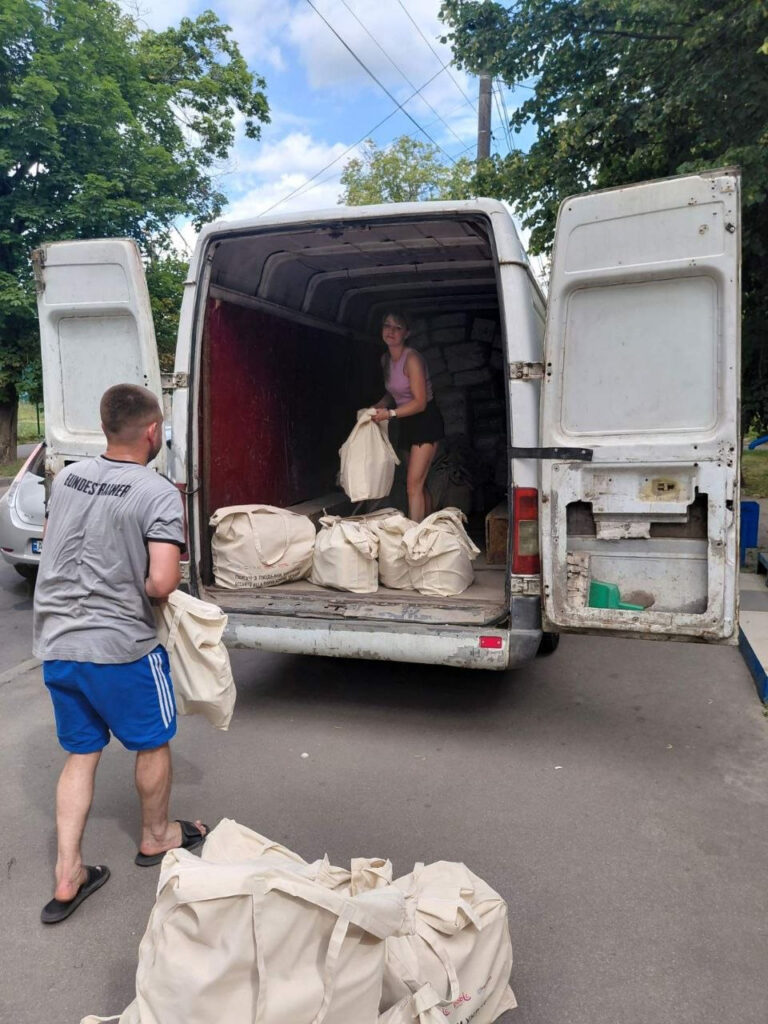
Ukraine: The Acqua Viva Project Reaches Communities in Kharkiv. As of June 30, four out of ten kits had been prioritized for people in particularly vulnerable situations and in need, including people with disabilities and the elderly. When a war drags on, international attention risks waning before the needs of the population are met. For those living in the Kharkiv region, however, the emergency is not just a distant news story. It continues to affect daily life, access to essential goods, and the ability to care for oneself with dignity. It is in this context that the Acqua Viva 04/UCr/13157/2026 project continues, funded by AICS Kiev and implemented with the direct participation of the NGO POBIC. As of June 30, 1,089 personal hygiene kits had been distributed to communities in the Kharkiv region. This tangible result marks the transition from the availability of aid to its actual distribution throughout the region. From 15 metric tons of supplies to distribution in communities In the previous update on the Acqua Viva project, POBIC reported the arrival in Kharkiv of approximately 15 metric tons of personal hygiene products. The latest data documents the next phase of the intervention: the received supplies were organized into kits and progressively distributed to the target communities. This is not merely a matter of quantifying the aid delivered. Each distribution represents a response to a daily need that, in a situation of war and displacement, can become difficult to meet. Four out of ten kits went to the most vulnerable people. 40% of the distributed kits were prioritized for people in particularly vulnerable situations and in need, including people with disabilities and the elderly. Allocation was based on an assessment of specific needs, so as to direct support toward those who may face greater difficulties in independently accessing essential goods. This is a key element of the project: not an indiscriminate distribution, but an intervention that takes into account the circumstances of individual people and the inequalities that war tends to exacerbate. For an older adult or a person with a disability, in fact, the disruption of services, the loss of support networks, and difficulties with mobility can make it even more challenging to obtain even the items needed for daily care. Behind every number is a person. Help POBIC continue to stand by the Ukrainian people. PEOPLE REACHED 0 M PERSONAL HYGIENE KITS 0 KITS DISTRIBUTED 0 % Personal hygiene is a matter of health and dignity. In a humanitarian emergency, personal hygiene products may seem less urgent than other forms of aid. In reality, they help protect health, prevent health problems, and preserve people’s dignity. Being able to wash and care for one’s body means maintaining an essential part of one’s daily life, even when war has disrupted routines, relationships, and certainties. The value of the Acqua Viva project also lies in this: recognizing that humanitarian assistance is not just about survival, but also about the right to live in conditions that are as safe and dignified as possible. Essential Aid in an Ongoing Crisis More than four years after the start of the large-scale invasion, the humanitarian crisis in Ukraine remains extremely severe. According to the United Nations Humanitarian Response Plan for 2026, approximately 10.8 million people in the country still need humanitarian assistance. In this context, the distribution of 1,089 kits represents a limited but necessary intervention. It demonstrates how collaboration between humanitarian organizations, on-the-ground workers, and institutions can transform resources and materials into effective support for communities. A kit cannot restore what the war has taken away. However, it can help protect a part of a person’s daily life, health, and dignity. And it is also through concrete actions like this that POBIC continues to stand by the Ukrainian people. The photographs accompanying this update are simple, unstaged, and far removed from the aesthetics typically associated with fundraising campaigns. Their value, however, lies precisely in their authenticity. Security conditions did not allow POBIC staff to travel to the areas affected by the distribution. Access was not authorized because it would have required extraordinary protective measures and procedures in a part of the Kharkiv region that has been subjected to systematic bombardment since April.
READ MORE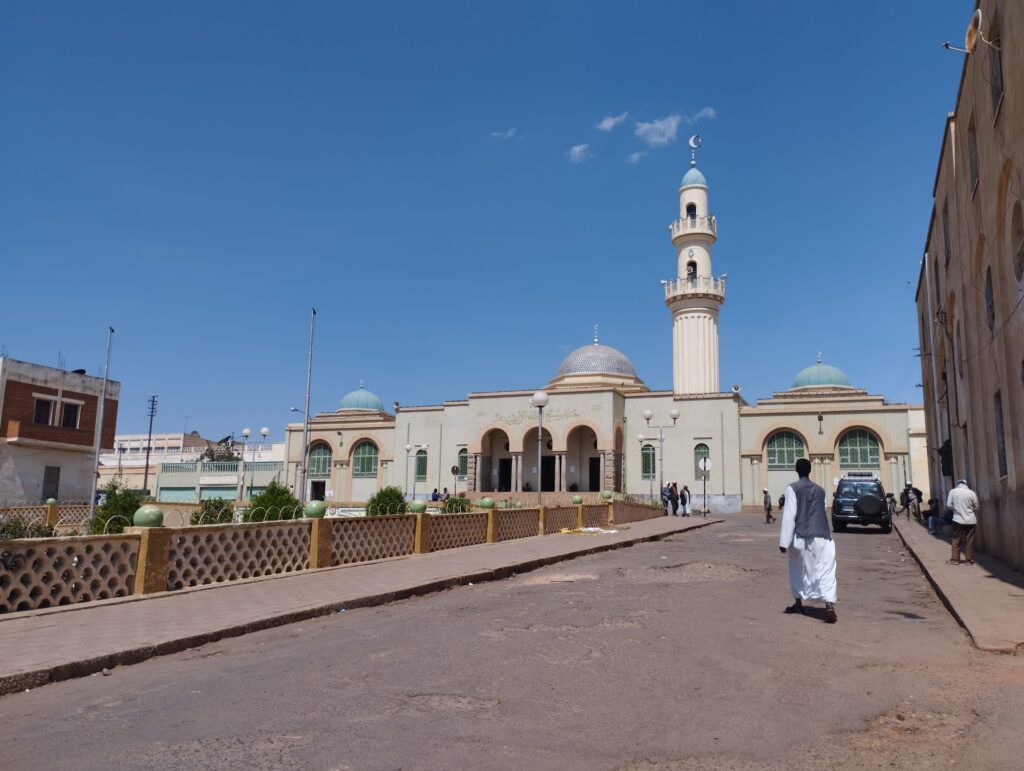
June 9
Official launch of the WECARE project in Eritrea
Official launch of the WECARE project in Eritrea. THANKS TO YOUR SUPPORT, WE SAVE THE LIVES OF DOZENS OF CHILDREN EVERY YEAR. HELP US DO MORE. Countries 0 Children operated on 0 Children examined 0 +
READ MORE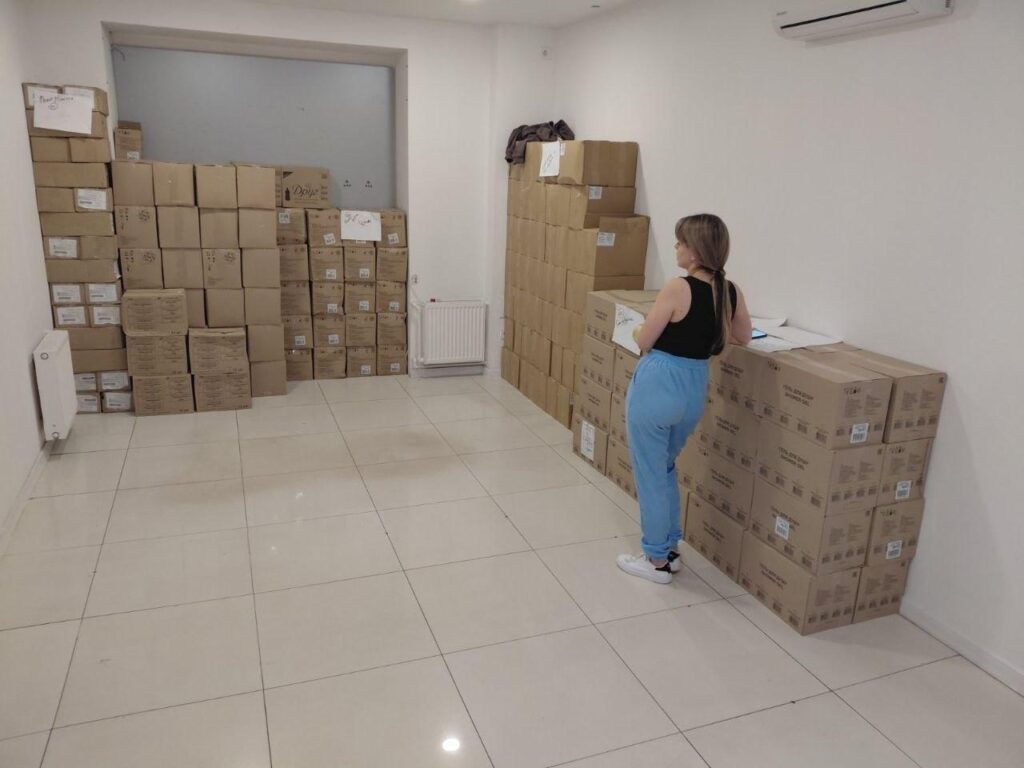
June 1
Ukraine: 15 tons of personal hygiene products delivered to Kharkiv to support displaced persons.
Humanitarian Aid in Ukraine: 15 metric tons of personal hygiene products delivered to Kharkiv. An initiative to support the displaced population: over 1,500 beneficiaries, including 60% with disabilities. In a context still marked by severe tensions and ongoing risks for the civilian population, a new humanitarian operation has made it possible to deliver concrete aid to the city of Kharkiv, one of the areas hardest hit by the conflict in Ukraine. Despite a particularly challenging weekend in terms of operations and security, our colleague Olga, who was on the ground, managed to receive approximately 15 metric tons of personal hygiene products intended to support 1,545 internally displaced persons. The Acqua Viva Project and Support from AICS Kiev This is an initiative of great humanitarian importance, especially considering that at least 60% of the beneficiaries are people with disabilities, who are often among the most vulnerable groups and most exposed to the consequences of war, isolation, and a lack of essential services. The supply includes essential items for daily care and hygiene—goods that, in emergency situations, take on fundamental importance not only from a health perspective but also in terms of personal dignity and the protection of living conditions for people forced to leave their homes. This operation was made possible thanks to the “Acqua Viva 04/UCr/13157/2026” project, funded by AICS Kiev, and represents a further step in supporting Ukrainian civilian communities that continue to face the daily consequences of the conflict. POBIC’s commitment to standing alongside war-affected communities. In areas where access to basic necessities can become extremely difficult, collaboration between local workers, humanitarian organizations, and international partners ensures the continuity of aid and tangible support for the most vulnerable people. Through initiatives like this, POBIC continues to support humanitarian assistance efforts aimed at populations affected by the war, contributing to the distribution of essential goods and providing support to the most vulnerable segments of the civilian population. In situations of forced displacement, access to personal hygiene products is an essential need that is often underestimated. Soap, detergents, personal care products, and other everyday items help not only prevent health problems but also preserve the dignity and well-being of people living in particularly vulnerable conditions. THANKS TO YOUR SUPPORT, WE SAVE THE LIVES OF DOZENS OF CHILDREN EVERY YEAR. HELP US DO EVEN MORE. Countries 0 Children operated on 0 Children examined 0 +
READ MORE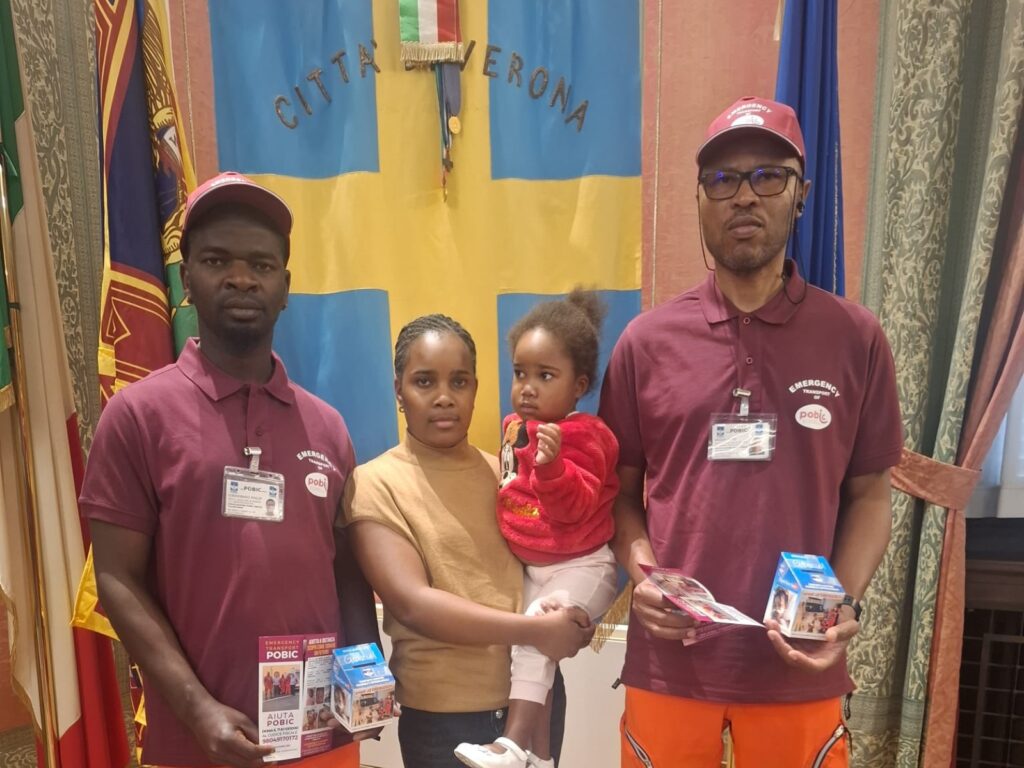
May 9
Jeremiah and Perl, two new lives saved thanks to the POBIC solidarity network
Jeremiah and Perl: Two More Lives Saved Thanks to Pobic’s Network of Solidarity Jeremiah and Perl: Two Children Who Underwent Heart Surgery Thanks to Pobic Jeremiah and Perl are two children who arrived from Uganda with a concrete hope: to receive the treatment they needed to address a serious heart condition. Thanks to POBIC’s efforts, both underwent heart surgery in Italy and today stand as a new testament to what solidarity can achieve when it translates into organization, care, and continuity. Their stories are not isolated incidents. Jeremiah and Perl are, in fact, the 97th and 98th children accompanied by POBIC on a life-saving treatment journey. This milestone reflects years of work, international partnerships, collaboration with specialized healthcare facilities, and a constant presence alongside the children and their families. In total, throughout its history, POBIC has supported 423 children: a number that concretely illustrates the depth of a commitment built over time. Solidarity Donation Boxes in Verona: 1,000 Business Owners Supporting POBIC Behind every surgery, there is more than just an operating room. There is a network of people, communities, and small daily gestures that, over time, make something extraordinary possible. A key role is also played by the approximately 1,000 Verona business owners who, for twenty years, have hosted POBIC’s donation boxes. Bars, shops, and local businesses thus become vibrant hubs of widespread solidarity—places where even a small contribution can turn into something enormous: a trip, a surgical procedure, a new chance at life. It is precisely this quiet and tangible network that makes POBIC’s work possible. Solidarity, when shared and nurtured over time, ceases to be an abstract concept and becomes a force capable of transcending borders, distances, and difficulties. https://www.pobic.org/wp-content/uploads/2026/05/h264_yuv420p_858_480_25_1300_aac_64_48000_2.mp4 Thoughts and Colors: Teaching Solidarity in Schools Alongside its healthcare efforts, POBIC continues to promote educational programs on solidarity aimed at the younger generation. The “Thoughts and Colors” project is part of this effort—an educational contest for schools that invites children and teens to express, through drawing, values such as mutual aid, happiness, and caring for others. The connection between the stories of Geremia and Perla and the involvement of schools makes POBIC’s mission even clearer: not only to intervene where there is an urgent need for care, but also to help build a culture of solidarity capable of growing over time and engaging communities, families, students, and local areas. Because saving a life also means teaching compassion. And every gesture, even the smallest one, can become part of a bigger story. THANKS TO YOUR SUPPORT, WE SAVE THE LIVES OF DOZENS OF CHILDREN EVERY YEAR. HELP US DO EVEN MORE. Countries 0 Children operated on 0 Children examined 0 +
READ MORE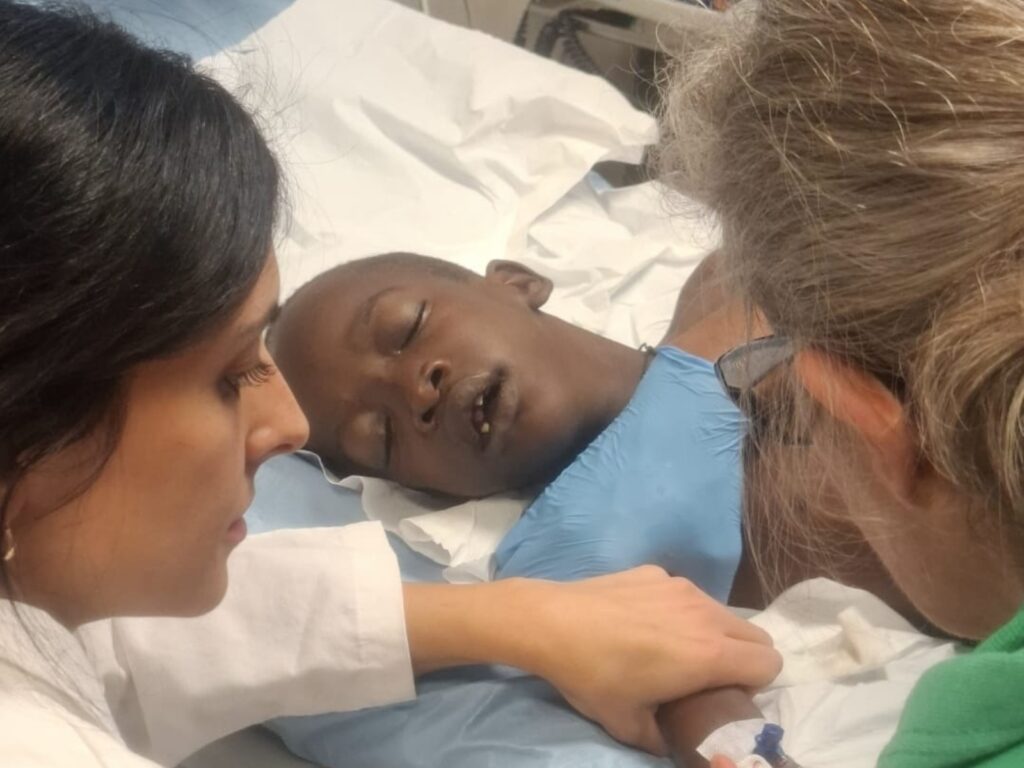
February 18
A fragile heart, an urgent surgery: Jeremiah needs us.
A fragile heart, an urgent surgery: Jeremiah needs us. Jeremiah is 11 years old and has lived with a congenital heart defect since birth—a condition that would have required surgery during his early years. Unfortunately, that window of opportunity was missed. Last week, we welcomed him at Linate Airport. It was a long-awaited moment, carefully planned. But when we met him, his condition immediately concerned us. It was no longer a time for waiting. It was time to act. Within a few hours, a decision critical to his life was made: an urgent transfer to Gaslini Hospital in Genoa. Jeremiah was urgently transferred to Gaslini Hospital, a national and international center of excellence for pediatric cardiology. There, he was immediately taken under care and admitted. The situation remains delicate, but as of today, Jeremiah is being cared for by an expert team that is monitoring every parameter with care and attention. In moments like these, it’s not just the diagnoses that matter. What matters is the speed of decision-making, the expertise of the professionals, and the ability to activate an effective care network. Pediatric Cardiology and Preoperative Evaluations In the coming days, Jeremiah will undergo all the necessary preoperative evaluations to determine the procedure and timing of the surgery. Each test helps to precisely define the clinical picture, reduce risks, and establish the safest possible treatment plan. POBIC will be by his side at every stage of this journey: during checkups, while waiting for surgery, and during the post-operative period. Being there doesn’t just mean organizing a medical trip. It means accompanying a child through one of the most vulnerable moments of his life. Solidarity and international healthcare cooperation: a story yet to be written Thanks to the support of those who believe in international healthcare cooperation, a child who, until just a few days ago, had no access to specialized care is now being treated at one of Europe’s leading pediatric centers. Every mission is more than just a medical procedure. It’s a bridge between countries, expertise, and people. Jeremiah is no longer alone. And this is the first, crucial step. THANKS TO YOUR SUPPORT, WE SAVE THE LIVES OF DOZENS OF CHILDREN EVERY YEAR. HELP US DO EVEN MORE. Countries 0 Children operated on 0 Children examined 0 +
READ MORE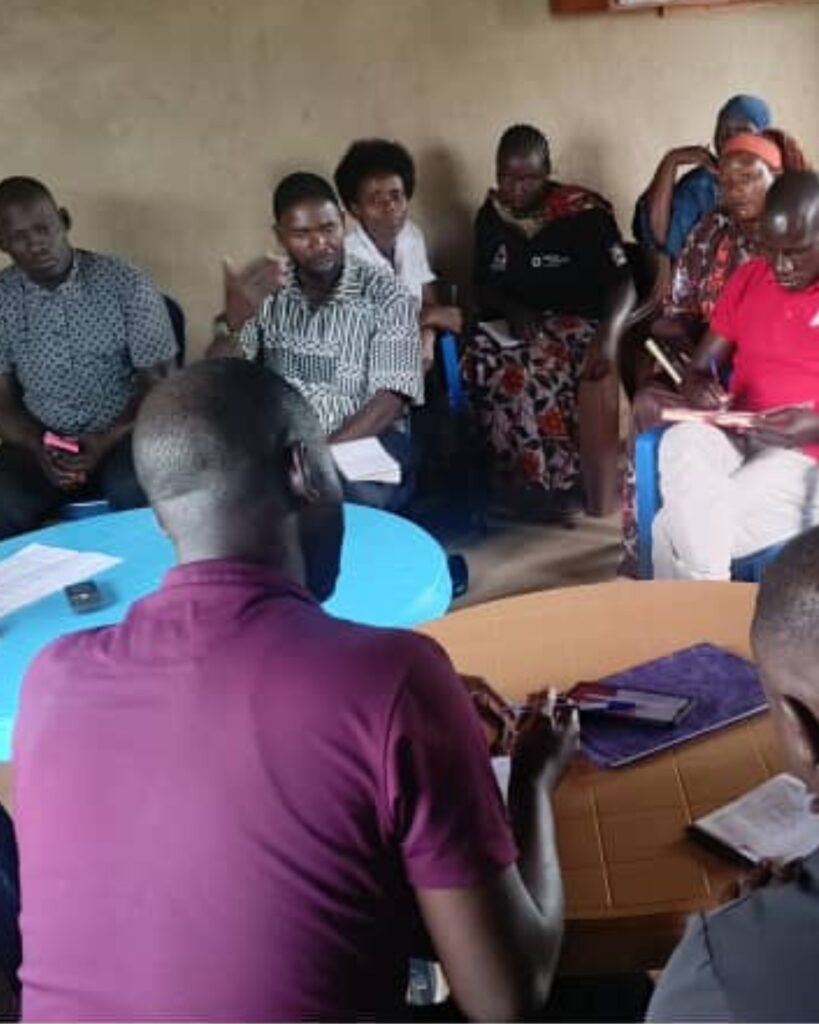
February 18
Congolese Refugees in Uganda: Analysis of Humanitarian Needs in Refugee Settlements
Congolese Refugees in Uganda: Needs Assessment in Refugee Camps In the eastern part of the Democratic Republic of the Congo (DRC), the provinces of North and South Kivu have been experiencing a severe humanitarian crisis for years, caused by a protracted armed conflict and the advance of the M23 rebel group. The situation has worsened further in recent years, with an intensification of fighting between the M23 and Congolese government forces, particularly in the Rutshuru and Lubero areas of North Kivu, extending as far as the border regions with South Kivu. This escalation of violence has caused one of the largest population displacements in Africa, with thousands of people forced to flee their homes to escape the fighting, endure violence, and face daily insecurity. The Collaboration Between POBIC Uganda and Oxfam Uganda The crisis has exacerbated the vulnerability of local communities, worsening difficulties in accessing basic services, fueling food insecurity, and placing significant strain on humanitarian assistance systems. It is within this context that POBIC Uganda and Oxfam Uganda conducted a needs assessment aimed at gaining a firsthand understanding of the living conditions of Congolese refugees and host communities in Uganda. Rapid Needs Assessments in Major Refugee Settlements. The initiative involves conducting Rapid Needs Assessments in Uganda’s major refugee settlements, with the goal of gaining a direct and structured understanding of the needs of refugees and host communities. The initiative focuses on some of the country’s most significant refugee settlements, which collectively host over 371,000 refugees, broken down as follows: 1) 150,000 refugees in the Kyangwali Refugee Settlement 2) approximately 129,000 refugees in the Kyaka II Refugee Settlement 3) 92,000 refugees in the Rwamwanja Refugee Settlement. Approximately 60% of the refugee population is under 18 years of age. Through direct meetings with refugees and local stakeholders, the joint work of POBIC Uganda and Oxfam Uganda aims to gather qualitative and quantitative information on: living conditions in the camps and surrounding areas; challenges related to social and economic integration; access to essential public services; challenges shared by refugees and host communities. The needs assessment goes beyond identifying immediate emergencies; it builds a solid foundation for sustainable and inclusive interventions capable of addressing the needs of all stakeholders involved. Strengthening public services and social cohesion. One of the central objectives of the collaboration is to improve public services, both for refugee populations and for the Ugandan communities hosting them. In contexts characterized by high pressure on services, working in an integrated manner is essential to: reduce the risk of social tensions; foster peaceful coexistence; and promote models of shared local development. Rapid Needs Assessment activities therefore represent a key step in guiding future humanitarian and development actions, based on real data and on listening to the people directly involved. A long-term commitment on the ground. The collaboration between POBIC Uganda and Oxfam Uganda underscores the importance of a participatory and community-based approach, in which needs assessment becomes a practical tool for developing more effective, equitable, and sustainable responses to the challenges posed by humanitarian crises.
READ MORE
May 15
International Day of the Family
International Day of the Family 2023 The “International Day of the Family” is celebrated every year and provides an opportunity to reflect on the importance of the family as a fundamental social unit and the natural environment for the development and well-being of all its members, especially children. All children, all over the world. When is International Day of Families celebrated? In 1994, the United Nations General Assembly officially designated May 15 as a day to honor the fundamental role of the family as the primary social unit and natural environment for the development and well-being of its members, especially children. However, there are still many families around the world—especially in developing countries—facing serious social and economic problems that hinder their development and the well-being of their members. These problems often include poverty, lack of access to education and medical care, discrimination, violence, and the denial of fundamental human rights. International Day of Families: For All Families Around the World To help these children and their families, external nongovernmental organizations (NGOs) play a vital role. Through their work, NGOs can provide economic, health, educational, and psychological support to families in need, helping to ensure that children can grow up in a safe and secure environment. Often, NGOs also play an active role in safeguarding the health of children themselves, who otherwise would have no way to access adequate medical care. This care often makes the difference between life and death. An important role in promoting fundamental human rights. Through this work, they raise public awareness and promote the social, political, and economic change necessary to create a supportive environment for families. How International Family Day can truly become a global event. “International Family Day” is an important opportunity for reflection. The importance of the family as a fundamental social unit and the natural environment for the development and well-being of its members—especially children—is a global priority. We must remember that in many places, the need for our help is a reality we cannot turn our backs on. We are called to act to ensure that every family and every child can live in a safe, secure, and supportive environment conducive to their development. For over 30 years, POBIC has been active through the #emergencytransport and #openheart projects. Over 300 children examined. 56 children who underwent open-heart surgery. 12 countries where we operate. Your help is essential to continue this work. You can help us do more. Find out how to donate your 5×1000
READ MOREOPERATING HEADQUARTERS
- Registered office / operational office Via Romanino 1 25123 Brescia
- +39 0376920464
- ong-pobic@ong-pobic.org
CONTACTS
Registered/Operational office
Via Romanino 1
25123 Brescia
Tel - +39 0376-920464
Headquarters
V. Belfiore No. 9
Bozzolo (MN)
Operations Headquarters
Via Santa Maria in Conio, 10
35131 Padua PD
SUBSCRIBE TO THE NEWSLETTER
But let there be a nest in the velvet viverra bibendum in ac nisi. Even let the dui vitae sem
GALLERY




- ONG POBIC ODV