



Category Ivory Coast

April 26
Rheumatic diseases in Africa: a health challenge starting with humanitarian aid
Rheumatic Diseases in Africa: A Public Health Challenge That Begins with Humanitarian Aid Rheumatic diseases remain one of the major public health emergencies in sub-Saharan African countries, particularly in the Horn of Africa and in nations such as Ghana, where the healthcare system struggles to ensure timely diagnosis and treatment. Humanitarian aid therefore plays a vital role in addressing an issue that is often underestimated but has devastating effects on the population, especially among the youngest. THANKS TO YOUR SUPPORT, WE SAVE THE LIVES OF DOZENS OF CHILDREN EVERY YEAR. HELP US DO EVEN MORE. Countries 0 Children operated on 0 Children examined 0 + What Are Rheumatic Diseases? Rheumatic diseases are inflammatory conditions that can affect joints, bones, muscles, and, in more severe cases, vital organs such as the heart. In Africa, the most common form is rheumatic fever, a complication of streptococcal infections that are not treated properly. If not diagnosed and treated in time, rheumatic fever can progress to rheumatic heart disease, causing irreversible damage to the heart valves. According to the World Health Organization (WHO), rheumatic heart disease is responsible for over 300,000 deaths worldwide each year, primarily affecting children and young adults in low-income countries. HELP US DO EVEN MORE Every donation is essential to us. YOU CAN CONTRIBUTE, TOO The impact of rheumatic diseases in Africa In the Horn of Africa and in many parts of Africa in general, rheumatic fever remains one of the leading causes of heart failure in young people. This is due to several reasons: Late or absent diagnoses. A shortage of antibiotics to treat streptococcal infections. Low health awareness among rural populations. Humanitarian aid in East Africa is increasingly focusing on primary prevention programs (timely treatment of infections) and secondary prevention (early diagnosis of heart damage). Furthermore, the strong correlation between poverty, lack of access to care, and the spread of infections makes the problem even more difficult to curb without the support of humanitarian aid organizations. Horn of Africa: A Highly Vulnerable Context The Horn of Africa, one of the continent’s most fragile regions, is characterized by many of the conditions that favor the spread of rheumatic diseases: Widespread poverty. Limited access to basic health services. Overcrowding in schools and housing, which facilitates the transmission of infections. In these contexts, humanitarian aid is no longer limited to emergency response but aims to build sustainable public health programs capable of identifying risks early and reducing the incidence of cardiac complications. Investing in the prevention of rheumatic fever in the Horn of Africa means not only saving lives but also alleviating the burden on national health systems, thereby improving the resilience of the most vulnerable communities. Conclusion Rheumatic diseases in Africa, and particularly in the Horn of Africa, represent a major public health challenge that is still too often overlooked. Humanitarian aid plays an essential role in promoting strategies for the prevention, early diagnosis, and treatment of infections that lead to serious cardiac complications. Addressing this emergency means looking beyond individual interventions and focusing on sustainable projects capable of structurally improving public health in the most fragile regions. This is what remains of the only ambulance in the city of Nemirov, Ukraine. A fragment of a Russian missile, partially destroyed by Ukrainian forces, fatally struck the emergency response vehicle. For a community like Nemirov, this is a very serious social tragedy. That is why, as Pobic, we have donated—on an emergency basis—an ambulance that had been decommissioned in Italy but remains fully operational. Professor Mikola Segeda, president of the Pobic Ukraine Foundation, has taken charge of driving the vehicle to its destination. This is just the first step. HELP US DO EVEN MORE Every donation is essential to us. YOU CAN CONTRIBUTE, TOO
READ MORE
April 26
Ivory Coast: Health training as a driver of change, the Pobic model
Ivory Coast: Healthcare Training as a Driver of Change—The Pobic Model During its mission in the Ivory Coast, which began in 2012, the Pobic association chose to complement the provision of emergency medical equipment with another essential initiative: the training of local healthcare personnel. In a context where infrastructure was minimal and the number of doctors extremely low, the opportunity to build capacity directly on the ground was a strategic priority. The Importance of Healthcare Training The provinces of Bongouanou, Arrah, and M’Batto—the mission’s areas of operation—were characterized by limited access to healthcare services and the near-total absence of structured emergency protocols. As medical transport vehicles were introduced through the Emergency Transport project, it was clear that without adequate training, their impact would be limited and short-lived. Pobic’s response was to launch technical training courses focused on basic yet essential procedures, such as cardiopulmonary resuscitation (CPR) for adults and children. SPONSOR A CHILD Methodology and Training Activities The training was conducted through theoretical and practical sessions, using training manikins to simulate emergency interventions. The courses were aimed at: Hospital doctors and nurses. Paramedic staff in outlying villages. The personnel were trained to recognize critical situations, perform initial life-saving maneuvers, and correctly use the emergency equipment available in the ambulances. A key element of Pobic’s training approach was the transfer of learning tools: the manikins used for training were donated to the Bongouanou Hospital at the end of the mission, thereby enabling local staff to continue practicing and updating their skills independently. Objectives Pursued The goal of the training was not simply to provide instruction while the international team was present, but to: Build local operational capacity, reducing dependence on external aid. Ensure the continuity of skills over time. Strengthen the healthcare system through qualified personnel who are better equipped to manage emergencies. Results Achieved At the end of the mission, local healthcare personnel had acquired: Basic operational skills in managing critically ill patients. Improved use of the ambulances and equipment provided. Greater autonomy in handling emergency situations without the immediate intervention of external specialists. These results helped strengthen the regional emergency network established through the Emergency Transport project, making emergency response in rural areas of the Ivory Coast more efficient and safer. Results Achieved The healthcare training carried out by Pobic in Côte d’Ivoire demonstrates that developing local expertise is essential to ensuring the sustainability of humanitarian interventions. Simply delivering vehicles or equipment is not enough: it is necessary to invest in people, in their training, and in their ability to keep services running even after international missions have ended. The model adopted by Pobic has made it possible to leave a concrete and lasting impact, helping to improve access to emergency services in one of the country’s most vulnerable areas. THANKS TO YOUR SUPPORT, WE SAVE THE LIVES OF DOZENS OF CHILDREN EVERY YEAR. HELP US DO EVEN MORE. Countries 0 Children operated on 0 Children examined 0 +
READ MORE
April 26
Ivory Coast: 4 ambulances donated for the Emergency Transport project
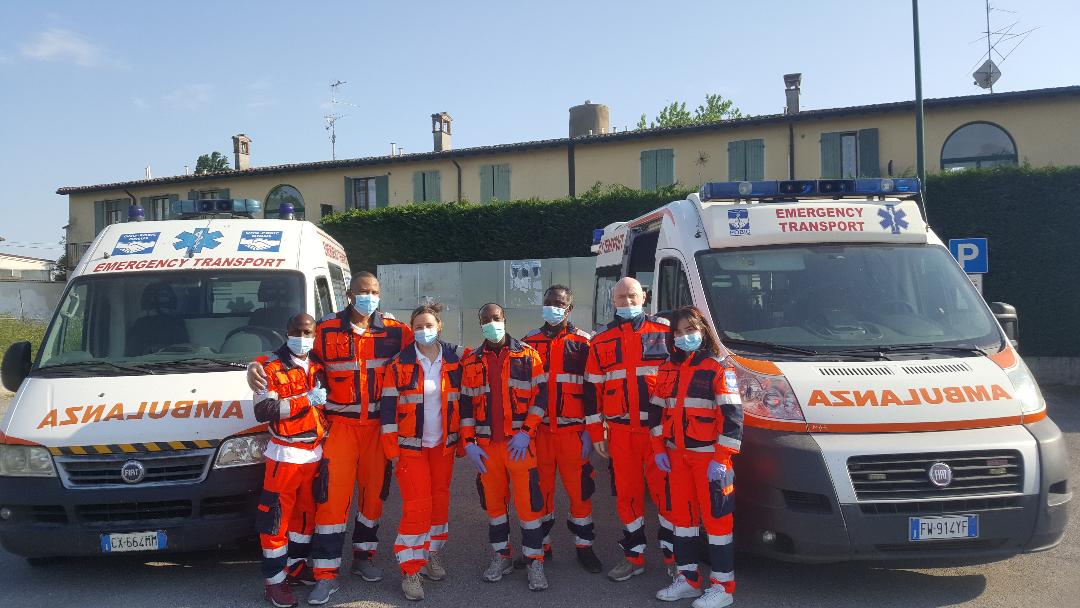
Ivory Coast: 4 Ambulances Donated for the Emergency Transport Project In 2012, the Pobic association launched an operational project to develop emergency medical transport in the province of Bongouanou, in Ivory Coast. The mission focused on providing emergency vehicles and establishing the region’s first organized emergency response system. The Initial Situation At the start of the mission, the area’s healthcare and logistical conditions were extremely precarious. There was no operational ambulance system available throughout the entire province. Patients in need of urgent care were transported in vehicles that lacked any health and safety standards, often forced to endure hours-long journeys on unpaved and damaged roads. The rainy season further exacerbated the situation, rendering many roads impassable and increasing the risks in emergency situations. SPONSOR FROM AFAR: Pobic’s Intervention To address this critical issue, Pobic implemented a structured program that included: The donation of four fully equipped ambulances. Technical training for local staff assigned to operate the emergency vehicles. The strengthening of emergency procedures through the introduction of first-aid protocols. The ambulances were delivered directly to the Bongouanou Hospital and to outlying health facilities. During the transfer, one of the vehicles was used to rescue an injured person in a traffic accident, immediately confirming the necessity and effectiveness of the initiative. Objectives and Results Achieved The main objective of Emergency Transport was to reduce the time it takes for people in rural areas to access healthcare services, thereby improving their chances of survival in emergency situations. Within a few months of the service’s launch, the following were observed: An improvement in the management of medical transport, An increase in the population’s trust in hospital facilities, and A greater response capacity on the part of the local healthcare system in emergency situations. Furthermore, staff training ensured proper vehicle management and established basic emergency management skills, fostering greater operational autonomy. Conclusion The Emergency Transport project marked a fundamental step forward in Pobic’s strategy in the Ivory Coast: not only providing material resources, but also strengthening local capacities, creating a concrete and lasting impact on public health in the region. Through targeted interventions, tailored to the actual needs of the region, it has been possible to establish the first embryonic emergency response network in one of the country’s most disadvantaged areas. THANKS TO YOUR SUPPORT, WE SAVE THE LIVES OF DOZENS OF CHILDREN EVERY YEAR. HELP US DO EVEN MORE. Countries 0 Children operated on 0 Children examined 0 +
READ MORE
April 26
Ivory Coast: the mission from the words of those who lived it.
Ivory Coast: The Mission in the Words of Those Who Experienced It. The Start of the Mission in Ivory Coast Our arrival at Abidjan Airport on July 30, 2012, wasn’t exactly smooth. Most of the luggage that had left from Milan Malpensa had not been loaded onto the plane during our layover in Tunis. So, for four days, we found ourselves managing our stay with the bare essentials: a few changes of clothes and shoes suitable for a tropical climate, with temperatures between 24 and 26 degrees and humidity close to 70%. Certainly not the best way to start a work assignment. After taking care of the administrative formalities and waiting for our luggage to be retrieved, we began to get a feel for Abidjan. The city appeared congested with thousands of dilapidated taxis and buses, choked with smog, and more chaotic than anyone could have imagined. Amid widespread urban decay and poverty, daily life unfolded amid misery, suffering, and extremely precarious sanitary conditions. Health Crisis and Urban Conditions in Abidjan Unlike our experience during the 2009 mission, street lighting had improved, but there were still numerous checkpoints set up by the militia, dotting the route along the main thoroughfares. The flashlights of the soldiers, who were checking vehicles at night, illuminated our pale and weary faces: the documents of our local escorts were our only guarantee of safety. At the time, Ivory Coast was still marked by ten years of instability and internal guerrilla warfare between the factions of Ouattara and Gbagbo. The country, the world’s leading producer of cocoa and a major exporter of coffee and rubber, also possesses vast mineral wealth, including diamonds, gold, oil, and manganese. However, its economic potential was held back by political tensions and evident urban decay. SPONSOR A CHILD Visit to Grand Bassam: Ivory Coast’s Colonial Heritage While waiting for our luggage, we visited Grand Bassam, the former French colonial capital, now a major tourist and artisanal hub. Despite the beauty of the place, environmental degradation was evident, with piles of trash (mostly plastic) littering the beaches. Humanitarian Aid: Support for the Bongouanou Hospital Our arrival at the Bongouanou Hospital was greeted with great warmth. Memories of our previous mission were still fresh—during which we had delivered hospital furnishings, defibrillators, and operating room equipment, and organized medical training for doctors and nurses. This time, our task involved furthering medical training, particularly in the management of cardiovascular emergencies. In addition, we were scheduled to deliver four ambulances intended for transporting patients from the villages to the local hospital and, if necessary, all the way to Abidjan. The effectiveness of these donations was immediately evident: during the transfer of the ambulances, a traffic accident forced the immediate use of one of the vehicles to transport an injured person to the hospital. Healthcare Training and Local Resilience Meanwhile, training courses on cardiopulmonary resuscitation (CPR) continued using training manikins for adults and children, which were subsequently donated to the hospital so that practical exercises could continue independently. On weekends, visits to villages and meetings with local communities were organized. The trip to the forest-surrounded village of origin of our valued Ivorian colleague Tano was particularly memorable. There, in a simple and authentic setting, the children—many of whom were seeing a white man for the first time—reacted first with fear and then with enthusiasm, happily participating in photos and impromptu games. Local Traditions and Culture of the Horn of Africa There was no shortage of local celebrations, such as the visit to the village of Fabien, another local notable, where we were welcomed with traditional meals—including dishes made with porcupine and stewed agoutis, forest delicacies offered with great hospitality. The 52nd Anniversary of Independence: A Historic Moment Finally, on August 7, 2012, we took part in the celebrations marking the 52nd anniversary of the Ivory Coast’s independence from France. The city of Bongouanou came alive with parades, dances, colorful markets, and cultural events that involved the entire population. Conclusion The Emergency Transport mission represented an important initiative in international cooperation on the ground, successfully integrating medical and logistical aid with a deep respect for local culture, thereby strengthening the bonds between peoples who are distant yet united by the same spirit of solidarity. THANKS TO YOUR SUPPORT, WE SAVE THE LIVES OF DOZENS OF CHILDREN EVERY YEAR. HELP US DO EVEN MORE. Countries 0 Children operated on 0 Children examined 0 +
READ MORE
April 26
2007 – Mission in Ivory Coast: ambulances and training to strengthen local healthcare
2007 – Mission in Ivory Coast: Ambulances and Training to Strengthen Local Healthcare In 2007, the Pobic association launched its first humanitarian healthcare initiative in Ivory Coast, in the provinces of Bongouanou, Arrah, and M’Batto—areas characterized by a severe lack of healthcare infrastructure and significant difficulties in accessing timely medical assistance. Ivory Coast: Where the Mission Began Bongouanou, the capital of the province of the same name, is located in central-eastern Ivory Coast. The area is predominantly agricultural, with a limited road network and underdeveloped healthcare services. The lack of emergency transportation posed a serious problem, contributing to high rates of preventable mortality in the event of accidents or medical complications. LONG-DISTANCE SPONSORSHIP Origins of the Project From the outset, the initiative presented itself as complex from both an economic and a technical-scientific standpoint. Thanks to the efforts of Dr. Carlo Antonio Calamari, then head of the AREU in Mantua, it was possible to involve the AREU in Milan and the Carlo Poma Hospital in Mantua. On July 28, 2008, in Mantua, a partnership was officially established between AnPobic (now Pobic), the Carlo Poma Hospital, the Lombardy AREU, and the Bongouanou Hospital. This agreement marked the formal starting point for operational activities in Côte d’Ivoire. Ivory Coast: Activities Carried Out The activities carried out during the mission in Ivory Coast followed an integrated approach, aimed not only at addressing immediate shortages but also at building a more solid foundation for the future of local health services. The interventions were multi-faceted, simultaneously addressing the problem of a lack of emergency medical equipment and the need for adequate professional expertise to use it. In this way, Pobic’s efforts were not limited to a simple material donation but promoted a transfer of skills aimed at ensuring a lasting impact in the region. Below is a summary of the main activities carried out: The project was structured around two main components: Donation of three fully equipped ambulances, destined for Bongouanou and the neighboring provinces of Arrah and M’Batto. Technical training for local healthcare personnel, featuring practical and theoretical modules on emergency and urgent care management. The training was led by Italian healthcare professionals with direct experience in the local emergency response system. These initiatives made it possible to: Reduce transport times for critically ill patients. Improve the response capacity of local first responders. Introduce standardized response protocols for medical and trauma emergencies. How to Contribute The mission in Ivory Coast is a concrete example of how targeted interventions can radically transform healthcare response capacity in vulnerable contexts. However, the need for support continues. Ambulances require maintenance, staff need refresher training, and many other communities are awaiting similar interventions. You can help support these initiatives through donations, which will make it possible to: Keep emergency vehicles operational. Expand training programs to other regions. Provide essential medical equipment to local healthcare facilities. To make a donation or learn more about our missions, visit the official Pobic website. THANKS TO YOUR SUPPORT, WE SAVE THE LIVES OF DOZENS OF CHILDREN EVERY YEAR. HELP US DO EVEN MORE. Countries 0 Children operated on 0 Children examined 0 +
READ MOREOPERATING HEADQUARTERS
- Registered office / operational office Via Romanino 1 25123 Brescia
- +39 0376920464
- ong-pobic@ong-pobic.org
CONTACTS
Registered/Operational office
Via Romanino 1
25123 Brescia
Tel - +39 0376-920464
Headquarters
V. Belfiore No. 9
Bozzolo (MN)
Operations Headquarters
Via Santa Maria in Conio, 10
35131 Padua PD
SUBSCRIBE TO THE NEWSLETTER
But let there be a nest in the velvet viverra bibendum in ac nisi. Even let the dui vitae sem
GALLERY




- ONG POBIC ODV