



Category Ghana

October 19
On Mission to Accra: Towards a Research Protocol on Rheumatic Disease in Ghana
On a Mission to Accra: Toward a Research Protocol on Rheumatic Heart Disease in Ghana From September 14 to 18, 2025, Ada Caraffini, Director of Operations for the Pobic Association, took part in a mission to Ghana, along with cardiologist Davide Morolla. The goal of the trip was to begin work on developing a research protocol on the prevalence of rheumatic heart disease in children, with a specific focus on the 3- to 15-year-old age group, which is most affected by this condition. During the mission, Pobic collaborated with the Cardiothoracic Teaching Hospital in Accra—one of the country’s leading referral centers—alongside pediatric cardiologist Prof. Nana-Akyaa Tao and Dr. Innocenti Adzamil, professionals who have been dedicated for years to the diagnosis and treatment of pediatric cardiovascular diseases. Rheumatic Heart Disease: A Preventable but Still Widespread Condition Rheumatic heart disease is a chronic condition that develops following acute rheumatic fever, generally triggered by a Group A beta-hemolytic streptococcal infection (such as untreated pharyngitis or tonsillitis). If not treated promptly, the inflammation can cause permanent damage to the heart valves, leading to serious complications such as heart failure, arrhythmias, and the risk of premature death. This condition primarily affects children and adolescents in settings where access to timely medical care is limited. According to the World Health Organization, more than 39 million people worldwide live with rheumatic heart disease, with the greatest burden concentrated in low- and middle-income countries. Why Ghana, specifically? Ghana is among the African countries where rheumatic fever continues to have a significant impact on pediatric health.Numerous local studies confirm a high incidence among school-aged children, exacerbated by factors such as limited access to primary health care services, poor availability of timely antibiotic treatment, and socioeconomic and environmental conditions that contribute to the spread of untreated respiratory infections. In this context, the development of a targeted research protocol represents a fundamental first step toward collecting reliable data, understanding the true extent of the phenomenon, and designing evidence-based health interventions in the future. One Step at a Time The development of a protocol agreed upon with Ghanaian clinical and institutional partners will enable Pobic to: strengthen cooperation with the local healthcare system, contribute to the epidemiological understanding of a disease that is all too often neglected, and lay the groundwork for possible future developments, in line with the association’s international mission. As Ada Caraffini herself emphasized in her mission report, this is an important first step, but one that must be taken with care, attentiveness, and collaboration. Pobic will continue to document the progress of this project, sharing updates and reflections with its community and partners. Follow our social media channels so you don’t miss the latest updates from Ghana and our other missions around the world. THANKS TO YOUR SUPPORT, WE SAVE THE LIVES OF DOZENS OF CHILDREN EVERY YEAR. HELP US DO EVEN MORE. Countries 0 Children operated on 0 Children examined 0 +
READ MORE
July 9
Accra's National Cardiothoracic Centre unites against RHD in Ghana
Pobic and the National Cardiothoracic Center in Accra Join Forces Against RHD in Ghana Pobic NGO and the National Cardiothoracic Center in Accra (Ghana) signed a three-year international collaboration agreement on June 30 with the goal of combating rheumatic heart disease (RHD) among Ghanaian children. With an estimated 40 million cases worldwide and 300,000 deaths each year—primarily in low- and middle-income countries—RHD is a preventable but often neglected disease. The new partnership combines Pobic’s expertise in accessing and managing European and Italian funds with the clinical expertise of the Accra Center to create a replicable model for prevention, diagnosis, and treatment. What the agreement entails Epidemiological mapping: launching a study to assess the actual prevalence of RHD in Ghana’s most vulnerable areas. Widespread awareness-raising: distributing educational materials to schools, families, and communities to enable early recognition of streptococcal symptoms, the trigger for the disease. Enhancing diagnostics: providing throat swabs and other screening tools to local health centers, along with training for healthcare workers and technicians. Strengthening treatment: supporting the implementation of treatment protocols and an antibiotic prophylaxis program to halt the progression of the disease. Shared governance: establishing a task force and a joint Management Committee to coordinate operations, fundraising, and transparent reporting. We believe that only by working side by side with local communities and professionals can we eradicate a disease that, until recently, seemed an inevitable fate for far too many children,” Paolo Novellini, Esq., President of POBIC NGO Why It’s Important Early Intervention: Identifying and promptly treating streptococcal infections drastically reduces the risk of damage to heart valves, preventing long-term disability. Local Training and Capacity Building: Building local expertise means leaving behind sustainable “know-how” even after the agreement expires. Access to New Resources: With POBIC as the lead applicant, the project will be able to draw on European and Italian public and private funding, expanding its operational capacity in Ghana. This agreement reaffirms Pobic’s commitment to promoting health and dignity in the most underserved communities, thanks to collaboration with local institutions and the sharing of international best practices. THANKS TO YOUR SUPPORT, WE SAVE THE LIVES OF DOZENS OF CHILDREN EVERY YEAR. HELP US DO EVEN MORE. Countries 0 Children operated on 0 Children examined 0 +
READ MORE
April 26
Ghana: Pobic Mission's First Step to Combat Rheumatic Heart Disease
Ghana: Pobic’s First Step in the Mission to Combat Rheumatic Heart Disease Mission to Ghana: A Strategic Meeting for Public Health Between March 21 and 23, 2025, a Pobic delegation took its first official steps in Ghana. President Paolo Novellini and Festus Adedayo traveled to the capital, Accra, for a series of strategic institutional meetings, laying the groundwork for a new collaboration in the field of rheumatic heart disease prevention. During the mission, Pobic engaged directly with representatives of Ghana’s Ministry of Health and with the medical team at the National Cardiothoracic Center, the country’s leading cardiac hospital. A particularly significant meeting was held with the director of cardiac surgery, Dr. (Med) Kow Entsua-Mensah, a leading figure in Ghana’s healthcare system. Humanitarian Aid: A Concrete Response to Local Needs During the working sessions, there was extensive discussion of the state of cardiac surgery in the country, but above all of the need to develop a joint strategy to address an often-underestimated problem: rheumatic heart disease, which in Ghana particularly affects children between the ages of 3 and 14. The main request made to Pobic was clear: to help develop a screening protocol to measure the prevalence of rheumatic heart disease in the pediatric population. This is a crucial step not only toward understanding the disease’s actual impact at the national level but also toward enabling Ghana to share data and strategies with other countries on the African continent, with a view toward broader health cooperation. Rheumatic Diseases in Africa: A Widespread and Neglected Problem The collection of this data will, in fact, serve a dual purpose: on the one hand, it will provide Ghanaian authorities with a concrete tool for planning prevention and treatment interventions; on the other, it will enable Ghana to fully participate in international initiatives aimed at eradicating rheumatic fever in sub-Saharan Africa. The March mission is therefore only the first step. But it is already clear that the humanitarian aid Pobic will provide in Ghana will not be limited to occasional interventions: it will be based on solid scientific foundations, with the goal of developing projects for prevention, early diagnosis, and long-term support. THANKS TO YOUR SUPPORT, WE SAVE THE LIVES OF DOZENS OF CHILDREN EVERY YEAR. HELP US DO EVEN MORE. Countries 0 Children operated on 0 Children examined 0 +
READ MORE
April 26
Rheumatic diseases in Africa: a health challenge starting with humanitarian aid
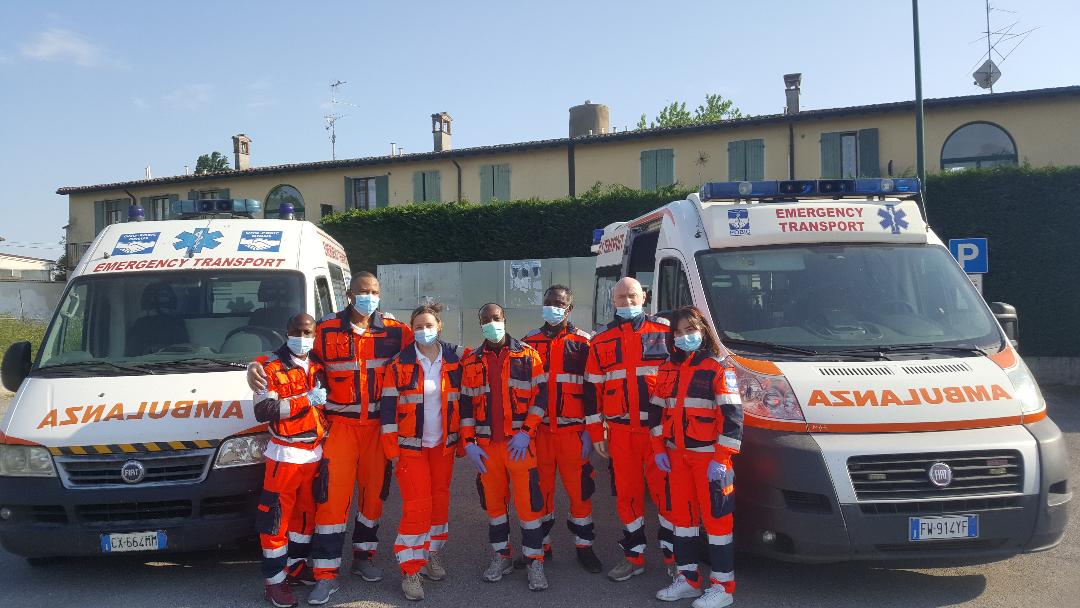
Rheumatic Diseases in Africa: A Public Health Challenge That Begins with Humanitarian Aid Rheumatic diseases remain one of the major public health emergencies in sub-Saharan African countries, particularly in the Horn of Africa and in nations such as Ghana, where the healthcare system struggles to ensure timely diagnosis and treatment. Humanitarian aid therefore plays a vital role in addressing an issue that is often underestimated but has devastating effects on the population, especially among the youngest. THANKS TO YOUR SUPPORT, WE SAVE THE LIVES OF DOZENS OF CHILDREN EVERY YEAR. HELP US DO EVEN MORE. Countries 0 Children operated on 0 Children examined 0 + What Are Rheumatic Diseases? Rheumatic diseases are inflammatory conditions that can affect joints, bones, muscles, and, in more severe cases, vital organs such as the heart. In Africa, the most common form is rheumatic fever, a complication of streptococcal infections that are not treated properly. If not diagnosed and treated in time, rheumatic fever can progress to rheumatic heart disease, causing irreversible damage to the heart valves. According to the World Health Organization (WHO), rheumatic heart disease is responsible for over 300,000 deaths worldwide each year, primarily affecting children and young adults in low-income countries. HELP US DO EVEN MORE Every donation is essential to us. YOU CAN CONTRIBUTE, TOO The impact of rheumatic diseases in Africa In the Horn of Africa and in many parts of Africa in general, rheumatic fever remains one of the leading causes of heart failure in young people. This is due to several reasons: Late or absent diagnoses. A shortage of antibiotics to treat streptococcal infections. Low health awareness among rural populations. Humanitarian aid in East Africa is increasingly focusing on primary prevention programs (timely treatment of infections) and secondary prevention (early diagnosis of heart damage). Furthermore, the strong correlation between poverty, lack of access to care, and the spread of infections makes the problem even more difficult to curb without the support of humanitarian aid organizations. Horn of Africa: A Highly Vulnerable Context The Horn of Africa, one of the continent’s most fragile regions, is characterized by many of the conditions that favor the spread of rheumatic diseases: Widespread poverty. Limited access to basic health services. Overcrowding in schools and housing, which facilitates the transmission of infections. In these contexts, humanitarian aid is no longer limited to emergency response but aims to build sustainable public health programs capable of identifying risks early and reducing the incidence of cardiac complications. Investing in the prevention of rheumatic fever in the Horn of Africa means not only saving lives but also alleviating the burden on national health systems, thereby improving the resilience of the most vulnerable communities. Conclusion Rheumatic diseases in Africa, and particularly in the Horn of Africa, represent a major public health challenge that is still too often overlooked. Humanitarian aid plays an essential role in promoting strategies for the prevention, early diagnosis, and treatment of infections that lead to serious cardiac complications. Addressing this emergency means looking beyond individual interventions and focusing on sustainable projects capable of structurally improving public health in the most fragile regions. This is what remains of the only ambulance in the city of Nemirov, Ukraine. A fragment of a Russian missile, partially destroyed by Ukrainian forces, fatally struck the emergency response vehicle. For a community like Nemirov, this is a very serious social tragedy. That is why, as Pobic, we have donated—on an emergency basis—an ambulance that had been decommissioned in Italy but remains fully operational. Professor Mikola Segeda, president of the Pobic Ukraine Foundation, has taken charge of driving the vehicle to its destination. This is just the first step. HELP US DO EVEN MORE Every donation is essential to us. YOU CAN CONTRIBUTE, TOO
READ MOREOPERATING HEADQUARTERS
- Registered office / operational office Via Romanino 1 25123 Brescia
- +39 0376920464
- ong-pobic@ong-pobic.org
CONTACTS
Registered/Operational office
Via Romanino 1
25123 Brescia
Tel - +39 0376-920464
Headquarters
V. Belfiore No. 9
Bozzolo (MN)
Operations Headquarters
Via Santa Maria in Conio, 10
35131 Padua PD
SUBSCRIBE TO THE NEWSLETTER
But let there be a nest in the velvet viverra bibendum in ac nisi. Even let the dui vitae sem
GALLERY




- ONG POBIC ODV