


Category Uganda
February 18
Congolese Refugees in Uganda: Analysis of Humanitarian Needs in Refugee Settlements
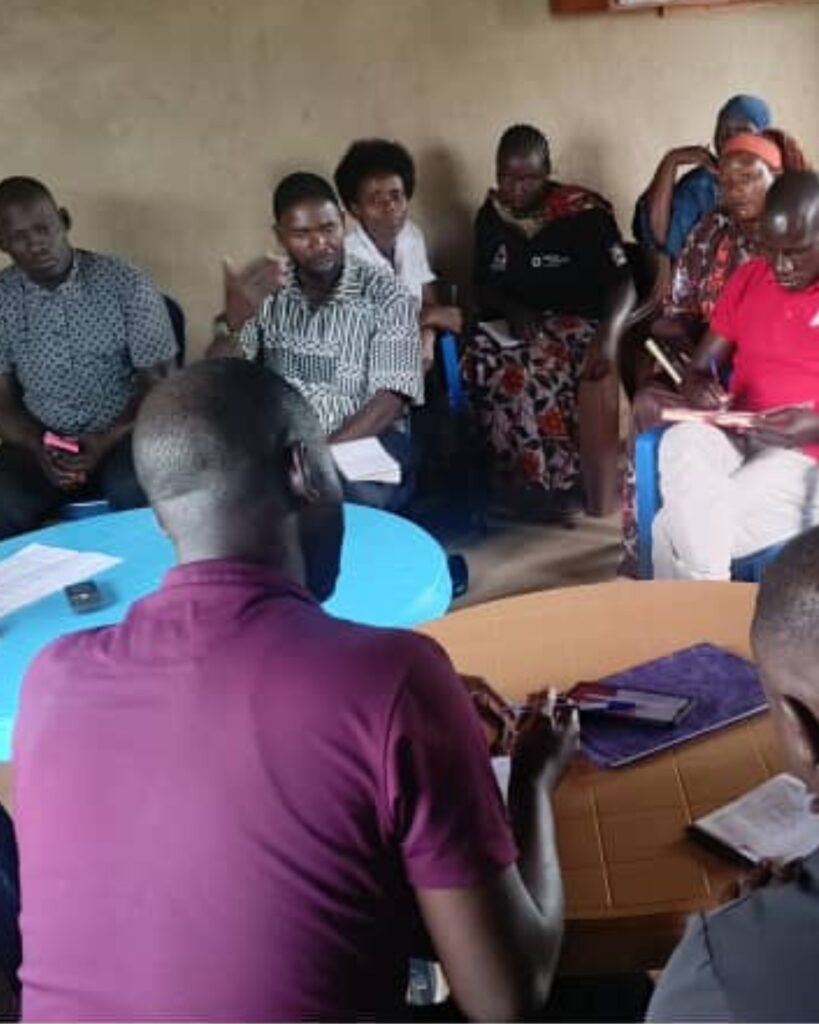
Congolese Refugees in Uganda: Needs Assessment in Refugee Camps In the eastern part of the Democratic Republic of the Congo (DRC), the provinces of North and South Kivu have been experiencing a severe humanitarian crisis for years, caused by a protracted armed conflict and the advance of the M23 rebel group. The situation has worsened further in recent years, with an intensification of fighting between the M23 and Congolese government forces, particularly in the Rutshuru and Lubero areas of North Kivu, extending as far as the border regions with South Kivu. This escalation of violence has caused one of the largest population displacements in Africa, with thousands of people forced to flee their homes to escape the fighting, endure violence, and face daily insecurity. The Collaboration Between POBIC Uganda and Oxfam Uganda The crisis has exacerbated the vulnerability of local communities, worsening difficulties in accessing basic services, fueling food insecurity, and placing significant strain on humanitarian assistance systems. It is within this context that POBIC Uganda and Oxfam Uganda conducted a needs assessment aimed at gaining a firsthand understanding of the living conditions of Congolese refugees and host communities in Uganda. Rapid Needs Assessments in Major Refugee Settlements. The initiative involves conducting Rapid Needs Assessments in Uganda’s major refugee settlements, with the goal of gaining a direct and structured understanding of the needs of refugees and host communities. The initiative focuses on some of the country’s most significant refugee settlements, which collectively host over 371,000 refugees, broken down as follows: 1) 150,000 refugees in the Kyangwali Refugee Settlement 2) approximately 129,000 refugees in the Kyaka II Refugee Settlement 3) 92,000 refugees in the Rwamwanja Refugee Settlement. Approximately 60% of the refugee population is under 18 years of age. Through direct meetings with refugees and local stakeholders, the joint work of POBIC Uganda and Oxfam Uganda aims to gather qualitative and quantitative information on: living conditions in the camps and surrounding areas; challenges related to social and economic integration; access to essential public services; challenges shared by refugees and host communities. The needs assessment goes beyond identifying immediate emergencies; it builds a solid foundation for sustainable and inclusive interventions capable of addressing the needs of all stakeholders involved. Strengthening public services and social cohesion. One of the central objectives of the collaboration is to improve public services, both for refugee populations and for the Ugandan communities hosting them. In contexts characterized by high pressure on services, working in an integrated manner is essential to: reduce the risk of social tensions; foster peaceful coexistence; and promote models of shared local development. Rapid Needs Assessment activities therefore represent a key step in guiding future humanitarian and development actions, based on real data and on listening to the people directly involved. A long-term commitment on the ground. The collaboration between POBIC Uganda and Oxfam Uganda underscores the importance of a participatory and community-based approach, in which needs assessment becomes a practical tool for developing more effective, equitable, and sustainable responses to the challenges posed by humanitarian crises.
READ MORE
October 19
New Hope for Pearl: A Ugandan Girl’s Journey Thanks to the Open Heart Pobic Project
New Hope for Pearl: A Ugandan Girl’s Journey Thanks to the Open Heart Pobic Project The Open Heart Pobic Project continues to give a voice and a future to children with severe heart conditions in the world’s most vulnerable communities. This is the story of Nyamata Shamairah Pearl, a Ugandan girl just over two years old, whose life was profoundly changed—and saved—by a surgical procedure made possible by international solidarity. From the Ugandan countryside to Italy: the beginning of the journey Pearl was born on May 23, 2023, in the Kabarole District of western Uganda. Her parents, Davis and Neelam, live in a rural village in the Bunyangabu district, where her father works in agriculture and runs a small business, while her mother cares for Pearl full-time. The baby’s first few months of life seemed normal. But by around eight months of age, her parents began to notice worrying signs: shortness of breath after playing, an irregular heartbeat, and episodes of weakness. Despite initial reassuring consultations at local health centers, it wasn’t until early 2025 that Pearl was referred to the Uganda Heart Institute, where an echocardiogram led to the definitive diagnosis: Type 2C tricuspid atresia, a rare and complex congenital heart defect that could not be treated locally. Pobic’s Intervention In this situation, the Open Heart Pobic project was able to intervene promptly. Thanks to a referral from the local network and a recommendation from the Ugandan Ministry of Health, Pobic took charge of organizing the girl’s transfer to Italy, specifically to the Gaslini Children’s Hospital in Genoa. In collaboration with the Flying Angels association and with the support of local and institutional partners, the entire treatment process was arranged: from the medical visa to the flights, from her arrival to her admission to the hospital. The Surgery and Critical Moments Pearl’s first surgery was performed on September 3, 2025. The postoperative period was complex: the little girl experienced critical moments in the intensive care unit, including a cardiac arrest and another round of resuscitation. The medical teams at Gaslini managed the situation with the utmost care, maintaining constant communication with the Pobic staff. Between CT scans, specialized tests, and invasive procedures such as catheterization, her progress was monitored with extreme care. Pearl’s mother, Neelam, remained by her side throughout her hospital stay, receiving logistical and psychological support thanks to the network established by Pobic in the local area. The First Signs of Recovery After intense weeks, the most eagerly awaited news arrived in mid-October: Pearl was extubated and began responding positively to treatment. The photos and videos shared by the medical staff show a girl who is exhausted but alert, and finally able to hold her mother’s hand again. Healthcare staff confirmed that her clinical condition, while still delicate, is improving. The family’s return tickets were also rebooked to accommodate the new post-operative schedule. A Concrete Example of International Cooperation Pearl’s story is about much more than a single medical case. It exemplifies how a network of international solidarity can work: from the early identification of a need, to the mobilization of medical, logistical, and institutional resources, all the way to providing tangible, human support to the families involved. Thanks to the Open Heart Pobic project, Pearl now has a new chance at life. Her story is also a call to continue supporting this effort, so that more and more children can receive the care they deserve, regardless of where they are born. How to contribute: The Open Heart Pobic project is supported exclusively by donations, partner organizations, and fundraising initiatives. A long-distance sponsorship program for Pearl is also currently being launched, through which you can support her during her recovery and follow-up cardiac care in the coming months. THANKS TO YOUR SUPPORT, WE SAVE THE LIVES OF DOZENS OF CHILDREN EVERY YEAR. HELP US DO EVEN MORE. Countries 0 Children operated on 0 Children examined 0 +
READ MORE
May 19
Uganda and the long shadow of Ebola: what makes it difficult to eradicate?
Uganda and the Long Shadow of Ebola: What Makes It So Hard to Eradicate? In the heart of East Africa, the virus continues to pose a latent threat. Despite successes in containing the outbreak, the country’s structural and health system vulnerabilities remain significant. In late April 2025, the Ugandan Ministry of Health announced the end of the latest Ebola outbreak. This milestone was reached after 42 days without new infections, as certified by the World Health Organization. But behind the optimism lies a complex reality: that of a country forced to live with an invisible enemy that resurfaces cyclically, in ways that are always unpredictable. Recent Reports on Ebola in Uganda The most recent outbreak, which erupted in Kampala—a metropolis of four million people and a key hub for East Africa—affected 14 people: 12 confirmed cases and 2 probable cases. Four have died, and ten have recovered. Patient zero was a nurse who died shortly after contracting the disease, as reported by Al Jazeera’s website. The strain responsible is the Sudan virus, for which there is still no approved vaccine. In the absence of established treatments, protocols rely on isolation, contact tracing, and community-based surveillance. How many deaths? The 2025 outbreak was the ninth in the country since 2000. The country’s proximity to the Democratic Republic of the Congo—where an outbreak between 2018 and 2020 claimed over 2,200 lives—increases its exposure to risk. The tropical forests along the border are home to animal species considered natural reservoirs of the virus. But it is the socio-health conditions that make Ebola endemic: poor hygiene, hospitals with minimal equipment, and deep mistrust of vaccination campaigns hinder any structural efforts. What are the solutions to combat Ebola in Uganda? In response, clinical trials for a vaccine specifically targeting the Sudan virus are underway at the Mulago National Referral Hospital in Kampala. Health authorities are relying on the experience gained from over twenty years of epidemics to contain outbreaks. Unfortunately, according to experts, without a lasting strengthening of the hospital network in rural areas and a cultural shift in the perception of infectious diseases, the risk of new infections remains high. Pobic’s Fundamental Contribution It is precisely in these neglected areas that parallel interventions—spanning healthcare, development cooperation, and human rights—are taking place. A concrete example is the work we at Pobic have been carrying out for years in the western Rwenzori region. As early as 2016, we launched the Pobic for Women program, in collaboration with the Rena Foundation, to assist pregnant women lacking access to safe care. The year 2024 marked a significant milestone: the Open Heart Uganda mission enabled three children with severe heart conditions to be transferred to Italy to receive life-saving treatment. They are the first of 59 children who underwent screening. A humanitarian bridge between two worlds, made possible not only by solidarity but by a vision focused on systemic vulnerabilities that Ebola, time and again, continues to reveal. Find out how you can help Pobic in its mission in Uganda.
READ MORE
April 14
Open Heart Uganda Project: How Sonia Came Back to Life Thanks to an Extraordinary Surgery
Open Heart Uganda Project: How Sonia Got a New Lease on Life Thanks to an Extraordinary Surgery Thanks to Pobic’s Open Heart program and the excellence of Italian cardiac surgery, a young African girl suffering from a severe congenital heart defect has been given a second chance at life. A true story of hope, difficult choices, and a life saved. In Africa, every year thousands of children born with severe heart defects lack access to adequate care. But every now and then, thanks to the courage of families, Italian medical excellence, and the support of donors, a small miracle happens. Such is the case of Sonia, a 15-year-old girl with a very severe congenital heart defect, who is alive today thanks to pediatric heart surgery made possible by Pobic through the Open Heart program. A Diagnosis with No Appeal: Only a Few Months to Live During a medical screening in Uganda, organized by Pobic last January, doctors identified seven children in critical condition. Among them, Sonia stood out not only because of the severity of her condition but also because she was visibly older than the others. She had already turned 15, and according to the doctors, she had only a few months to live if she did not undergo emergency surgery. Her progressive heart condition would have led to her death by the age of 16. Yet Sonia continued to attend school, dreaming of being included in the Open Heart program, which brings children with heart disease to Italy for surgery. A High-Risk Procedure Among the severe cases, Sonia was the one with the least time left, but also the one with the highest surgical risk. Italian cardiac surgeon Dr. Giancarlo Michielon (Gaslini Hospital in Genoa), one of the world’s leading experts in pediatric cardiac surgery, confirmed that the operation was possible, but with a 50% risk of death. In addition to the risk to her life, there was a 70% probability that the girl would emerge from surgery with a permanent pacemaker or with neurological disabilities caused by potential complications. The costs of the operation were also significantly higher than for other procedures, due to its complexity and the specialized expertise required. The Choice Between Courage and Life The decision was not an easy one. It fell to Pobic’s President, Paolo, to assume the moral and operational responsibility of giving Sonia a chance. With great determination, Pobic launched an extraordinary fundraising campaign and organized her transfer to Italy. Sonia’s family—her mother, father, and two little sisters—knowingly agreed to take this risk. Because there was no other way to save this young girl’s life. The Miracle of Italian Cardiac Surgery The surgery was scheduled at the Gaslini Hospital in Genoa, a center of absolute excellence in the care of children with congenital heart defects. The surgery exceeded even the best expectations: no cardiac arrest, no pacemaker, no neurological damage. Sonia’s heart was reconstructed. Today, she can lead a normal life. A new heart has given her back her future. Why Support Pobic’s Open Heart Program Every story like Sonia’s is the result of a concrete partnership between world-class medical expertise and genuine humanitarian support. Pobic’s Open Heart program identifies, selects, and performs surgery on children and adolescents with severe heart conditions who would have no chance of treatment in their home countries. Thanks to donations, Pobic is able to fund travel, surgeries, and hospital stays, saving lives that would otherwise be lost. Sonia’s story proves that donating truly saves a child’s life. THANKS TO YOUR SUPPORT, WE SAVE THE LIVES OF DOZENS OF CHILDREN EVERY YEAR. HELP US DO EVEN MORE. Countries 0 Children operated on 0 Children examined 0 +
READ MORE
April 2nd
Pobic ODV and Med Action Together for the Children of the Horn of Africa
POBIC and Med Action Join Forces for the Children of the Horn of Africa Padua, Thursday, March 27, 2025 – A date to remember. Two organizations, one great goal: to build a more just future, where every child, no matter where they were born, has the right to receive care and protection. A memorandum of understanding has been signed between POBIC and Med.Action, two Italian organizations that have been active for years in international health cooperation. Together, they are joining forces, expertise, and vision to ensure free, high-quality care for children in the Horn of Africa, one of the most vulnerable regions on the planet. A small gesture here can change a life far away. These words sum up the spirit of the meeting between Paolo Novellini, president of POBIC, and Ada Caraffini, director of the organization, along with representatives from Med.Action: Professor Giovanni Stellin, president; Walter Cadorin, vice president; and Walter Cendron, head of project and event management. The shared goal is to offer free healthcare to those who currently lack access even to basic services, facilitating life-saving interventions for children with heart conditions and promoting a model of concrete solidarity. Why This Project Is Important In the Horn of Africa, thousands of children live with medical conditions that, in other contexts, would be treated promptly. The lack of adequate hospitals, the shortage of trained medical personnel, and economic hardships make access to care nearly impossible. POBIC, an NGO with over 30 years of experience in humanitarian projects in Africa, and Med.Action, composed of medical professionals engaged in volunteer healthcare work, aim to address this emergency. It is not just a matter of medicine. It is a matter of justice. The pillars of the agreement: Solidarity—Pooling expertise, energy, and resources to help the most vulnerable communities. Access to healthcare services—Ensuring free, high-quality care by overcoming economic and geographic inequalities. Cooperation among Italian NGOs: Joining forces to multiply our impact and reach where the need is greatest. How to Contribute This project needs everyone’s support. Here’s how each of us can make a difference: Donate: Even a small contribution can provide a medical exam, a diagnosis, or a life-saving procedure. Become a volunteer: doctors, nurses, logistics specialists, communications professionals… everyone can contribute their time and skills. Share: talk about it with others, spread the word about the project, and raise awareness about what’s happening in the Horn of Africa. Through this agreement, POBIC and Med.Action aim to strengthen their response in the most complex contexts, addressing the health crisis in Africa with concrete, measurable, and sustainable actions. A possible future, a present to be built The agreement signed on March 27 is more than just a document. It is a real commitment, grounded in experience and the determination to leave no child behind. THANKS TO YOUR SUPPORT, WE SAVE THE LIVES OF DOZENS OF CHILDREN EVERY YEAR. HELP US DO EVEN MORE. Countries 0 Children operated on 0 Children examined 0 +
READ MORE
October 16
Operation Open Heart: The Mission in Uganda to Save the Lives of Children with Congenital Heart Disease
Operation Open Heart: The Mission in Uganda to Save the Lives of Children with Congenital Heart Defects In the heart of Africa, a mission aimed at saving the lives of young children is making a difference. The international NGO POBIC has launched the “Open Heart” project in Uganda, an initiative that aims to give children with severe congenital heart defects—whose lives are at risk without surgery—a chance at life. In September, our president, Paolo Novellini, traveled to Uganda for a crucial meeting: the event was an extraordinary success and offers new hope to dozens of young patients. Uganda as a New Frontier: The “Open Heart” Challenge The “Open Heart” project has its roots in Nigeria, where it has changed the fate of many children. However, it is in Uganda that the mission has found new momentum. A country plagued by severe healthcare shortages, Uganda now welcomes the project as a true revolution in public health. The hope of giving these children a second chance is becoming increasingly tangible, thanks in part to the commitment of the local population. THANKS TO YOUR SUPPORT, WE SAVE THE LIVES OF DOZENS OF CHILDREN EVERY YEAR. HELP US DO EVEN MORE. Countries 0 Children operated on 0 Children examined 0 + A Crucial Meeting: Support from the Ugandan Minister of Health The September meeting between Paolo Novellini and the Ugandan Minister of Health represents a milestone for the project. In a context where every surgery is literally a matter of life and death, government support is essential to ensure the continuity of our operations. In Uganda, we have already operated on three children, but there are still 56 others awaiting surgery. Their lives hang by a thread, and with each passing day, the urgency for concrete action grows. An Extraordinary Response: The Minister Promises Support During the meeting, the Minister of Health expressed enthusiasm for the project and pledged full support for this humanitarian mission. He acknowledged the positive impact of Open Heart and assured that he would bring the matter before Parliament to secure the necessary institutional support. This support could mark a decisive turning point for the project, bringing in new resources and enabling us to reach an ever-increasing number of children. Open Heart’s Future in Uganda Also Depends on Long-Distance Sponsorships Pobic has not limited itself to giving the children who underwent surgery a new medical lease on life. Over time, it has come to realize that it was also necessary to give them a new lease on life from an economic standpoint. There are many reasons for this: the need to face a life that will require medical exams and treatment; the need for a life where they can receive an education; and the need to recognize that health isn’t just about a healthy heart, but about having real opportunities to build a future for themselves. That is why the SPONSORSHIP PROGRAM is essential for POBIC. LEARN MORE HERE. The Future of Open Heart in Uganda: A Race Against Time for the Lives of 56 Children Every single child who undergoes surgery represents a story of hope and a victory for life. However, the waiting list is long, and time is a luxury that many of these young patients do not have. Thanks to the enthusiasm shown by the Minister, we now have the opportunity to accelerate the project, but our work does not stop here. Every surgery requires funds, resources, and, above all, the support of those who believe in our mission. Three Ugandan girls have already undergone surgery in 2024. Their lives have been saved. At the same time, the screening process identified a total of 59 children who were found to be in urgent need of surgery. The support of the Ugandan government will be a crucial step in saving their lives. You can help us save their lives by filling out the form below. Just 5 euros is enough to save their lives. HELP US DO EVEN MORE Every donation is essential to us. YOU CAN CONTRIBUTE, TOO
READ MORE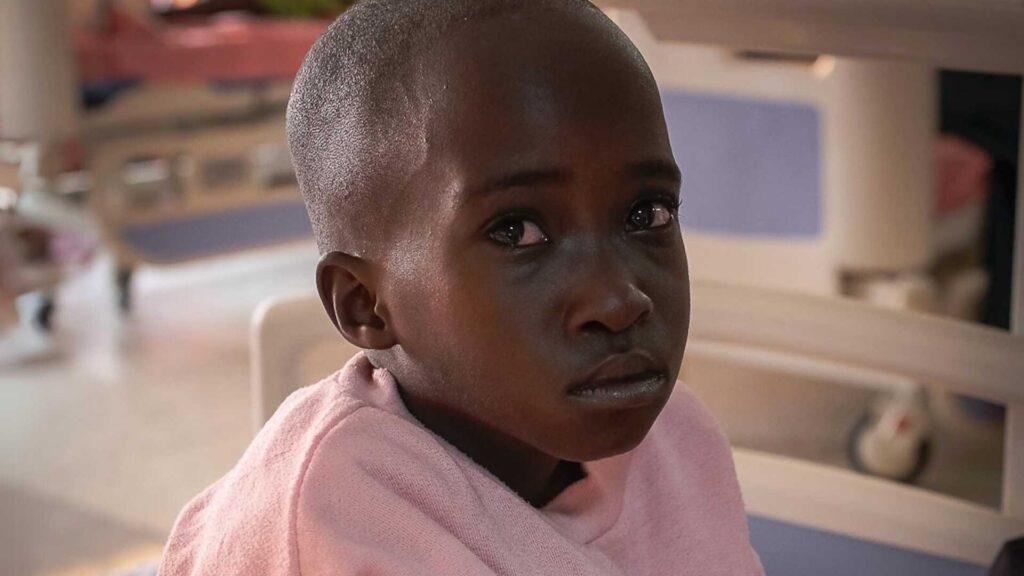
June 8
Mary Ariella and Jernita have landed: a firsthand account from those who were there.
Mary, Ariella, and Jernita Have Landed: An Account from Someone Who Was There Their arrival, as told by Simran. Yesterday, the day began very early. We left at 4 a.m. headed for Malpensa Airport, where the flight from Uganda—carrying the three girls we were eagerly awaiting, Mary, Ariella, and Jernita—was scheduled to land at 7:10 a.m. However, the flight was delayed by 20 minutes, and after security checks and baggage claim, the girls emerged from the arrivals gate around 9 a.m. There are fundraising campaigns for them. Learn more about their story in the links below. Ariella Is Dying Mary’s Heart Is Failing Jernita Can’t Breathe https://youtu.be/TjU5Bzg0eBc Mary’s Fragile Life: First Critical Checkup As soon as they came out, our first concern was Mary, who is in particularly critical condition. We immediately placed her on a stretcher to check her oxygen saturation, which was at 86. This reading was a relief, since a saturation level below 50 would have required emergency transport by ambulance with sirens blaring to the Gaslini Hospital in Genoa. Fortunately, that wasn’t necessary. Mary’s sister arrived with her; she had stayed with Mary in the ambulance to keep her company and reassure her. The other two mothers were accompanying their daughters, Ariella and Jernita, who were also in serious condition, though less critical than Mary’s. We asked the accompanying adults if there had been any complications during the flight, but they reassured us that everything had gone smoothly and that the flight attendants had also been a great help. So, we set off for Gaslini Hospital, a journey of about 40 minutes. THANKS TO YOUR SUPPORT, WE SAVE THE LIVES OF DOZENS OF CHILDREN EVERY YEAR. HELP US DO EVEN MORE. Countries 0 Children operated on 0 Children examined 0 + Initial Assessments at Gaslini: Every Minute Counts Upon arrival at Gaslini Hospital in Genoa, we headed to the emergency room, where the staff at the registration desk checked the vital signs of all three girls. After this initial check, they were taken to a small room with beds for further tests. Mary and Ariella were taken for an echocardiogram and a chest X-ray. There we met Dr. Carmelo Arcidiacono, a physician already known to the POBIC association, who had participated in a screening in Nigeria last year, where he had diagnosed the serious condition of Destiny, another girl we had operated on. This year he led a screening in Uganda, which is why we brought Mary, Ariella, and Jernita to Italy for surgery. Decisions to Be Made: Mary and Ariella Under Examination The situation became clear: Mary would be admitted immediately, while a catheterization procedure was scheduled for Ariella on Tuesday. To avoid constant travel between Mantua and Genoa, they decided to find a hospital bed for Ariella. Jernita, on the other hand, could return home to Bozzolo for the time being, since her condition was slightly more stable. Sudden Changes: Ariella’s Fragile Condition Meanwhile, the doctor who had performed the X-ray confirmed the severity of Ariella’s condition. However, new information came in: Ariella would be admitted, but not to Gaslini, rather to another hospital. We were told this while we were admitting Mary and Jernita, the two girls in the most serious condition, to the hospital. A nurse came to us to have us sign some papers and, in the meantime, informed us of the change of plans. Initially, Dr. Arcidiacono had told us that they would simply increase Ariella’s medication dosage. Conclusion of the Day: A Continuing Fight for Life After further clarification, they confirmed that the nurse had made a mistake: Ariella would not be admitted to another hospital but would remain with us. At the end of the day, Mary and Jernita were admitted to Gaslini Hospital, with Jernita scheduled for a catheterization on Tuesday and Mary awaiting a surgery that could save her life. Ariella and her mother were settled in Bozzolo, in the apartment we had prepared by cleaning and furnishing it the day before. Recap: A Crucial Day Mary and her sister are hospitalized at Gaslini Hospital in Genoa. Jernita and her mother are also at Gaslini. Ariella and her mother are in Bozzolo, in the apartment prepared by the association. This intense and tense day is just a small part of the work we do to save these children’s lives. Every step is crucial, and every decision can mean the difference between life and death. HELP US DO EVEN MORE Every donation is essential to us. YOU CAN CONTRIBUTE, TOO
READ MORE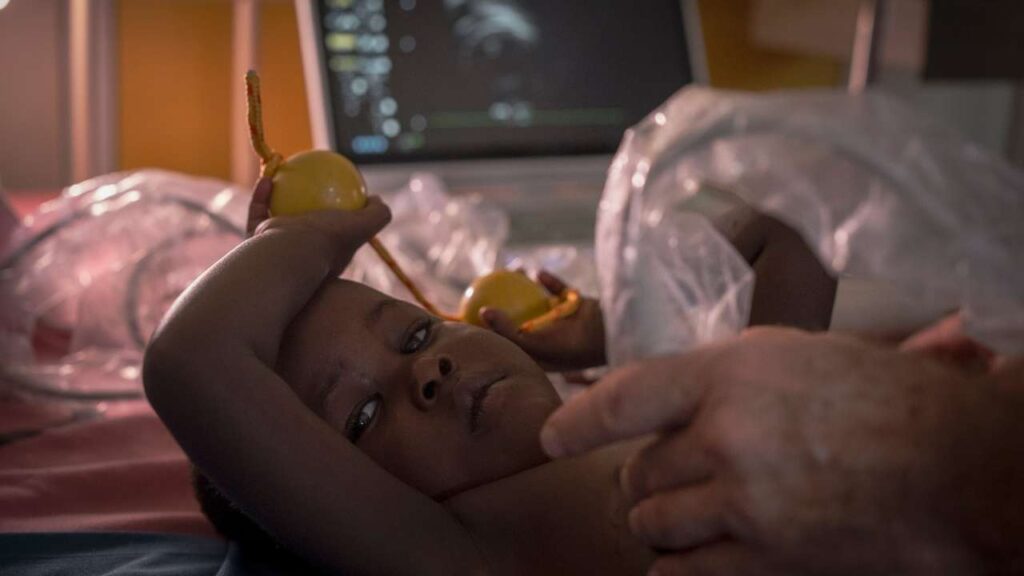
May 6
Jernita is now healed. The biggest challenge, however, begins now.
Jernita has now recovered. The biggest challenge, however, begins right now: Jernita can’t breathe. Her heart is failing, and she has only 9 months to live. We met her in Uganda, and her situation was immediately clear: Jernita has very little time left to live. We cannot let her life end so soon. Help us give her a second chance—it’s a matter of life and death. Listen to Jernita’s mother’s plea: Let’s give her a future. An operation saved Jernita’s life. But the biggest challenge begins now. After healing her heart, we must find the strength to give her a future. You can be of great help in this. Find out how by clicking the link below. SPONSOR JERNITA. Jernita’s medical condition is dire. Jernita Apio (date of birth: May 28, 2023) is a 9-month-old girl who was examined at the Uganda Heart Institute Clinic. She struggles to breathe and sweats constantly from the exertion. Her heart cannot withstand the strain. An evaluation revealed a complex congenital heart defect: Type I truncus arteriosus with mild truncus valve regurgitation. Jernita is dying, and we must save her. Jernita Apio has been recommended for referral abroad for surgical correction of her complex congenital heart defect. This is truly a life-or-death situation. Help us save her. Below, we’ll tell you who will be performing the surgery. VIEW THE OFFICIAL FUNDRAISER ON GOFUNDME Jernita has undergone surgery. The surgery is only the first step, but Jernita has undergone surgery. The surgery was a success. Her fight for life began in Uganda. We weren’t sure she would survive the journey. Her condition was so critical. Yet her little heart held on until the day of the surgery, which Dr. Michielon and his team performed with dedication and care. The little girl’s life has now been saved. But we must ensure she has a future. Don’t stop now—help her and donate. Just 5 euros is enough. CHECK OUT THE OFFICIAL FUNDRAISER ON GOFUNDME Our partnership with the Gaslini Hospital in Genoa: Ariella will arrive in Italy on June 3 and will be taken to the Gaslini Hospital in Genoa. The institute has been collaborating with the Open Heart project for many, many years and has helped us save dozens and dozens of children. Over the years, more than 60 children have escaped death thanks to this program, and the Giannina Gaslini Institute in Genoa is on the front lines with us to ensure these young lives are not lost. Here is the institute’s official website: https://www.gaslini.org/ Here are some questions you might be asking: How will the donations be used? Every euro donated will go directly toward Ariella’s surgical needs. Our NGO operates with the utmost financial transparency, ensuring that every contribution has a direct impact on their lives. Who selects the beneficiaries of the surgeries? The beneficiaries—in this case, Jernita Ariella and Mary—are selected based on medical criteria and need. We’ve been collaborating with doctors at Gaslini for years to ensure that resources go to those who need them most urgently. And by “urgent,” we mean life-threatening situations. Can I trust that donations will be used properly? Absolutely. Every transaction is tracked, and every financial detail will be made available to anyone who wishes to have further information. POBIC has been operating in the nonprofit sector for over 30 years and makes honesty one of its core values. Check out all our TRANSPARENCY DOCUMENTS on our website. What is your track record in handling cases like these? We have a long history of success in providing life-saving care to children in similar situations. The positive stories of the children we’ve helped are tangible proof of our commitment. Take a look at our work in Nigeria What happens if you don’t reach your fundraising goal? Even if we don’t reach the full goal, every donation brings us closer to our goal. Every euro counts and will help ensure a better future for Ariella. Can I make a donation even if I can’t give much? Absolutely! Every donation, regardless of the amount, makes an impact. Even small contributions can make a difference. Many small contributions, dear friend, add up to an enormous, immense result. How will the project’s progress be communicated? We’ll regularly update our community through our social media channels. We want you to closely follow the progress you’re helping to make. And you can always visit this page on GoFundMe for real-time updates on our progress. Learn more about us: The non-governmental organization POBIC was founded on September 28, 1992, as AnPobic, an acronym for the National Association for the Promotion of Charitable Works in Support of Civilian Disabled Persons. Its founders were Piras, Triesto, and Finetti, all from Brescia. In its early years, the organization focused on the issues facing civilians with disabilities in northern Italy. Paolo Federico Novellini became president on April 1, 1996, succeeding Giuseppe Lucchesi. Its first international initiative took place in 1999 in Kosovo with the delivery of clothing and food, and the association’s bylaws were amended for the first time to allow it to expand its activities abroad. The year 2001, meanwhile, saw exploratory missions to Ukraine, Morocco, and the Ivory Coast. READ THE FULL STORY HERE THANKS TO YOUR SUPPORT, WE SAVE THE LIVES OF DOZENS OF CHILDREN EVERY YEAR. HELP US DO EVEN MORE. Countries 0 Children operated on 0 Children examined 0 +
READ MORE
May 6
Mary's heart has healed. Now we have to give her a future.
Mary’s heart has healed. Now we must give her a future. Mary’s heart is failing. It can no longer supply oxygen to her body. On our last trip to Uganda, we met this little 8-year-old warrior. But she doesn’t have much time left. Her heart can’t take it anymore. That’s why we’re bringing her to Italy for emergency heart surgery. Help us! Donate five euros now. It’s a matter of life and death. Listen to Mary’s sister’s plea: LET’S GIVE HER A FUTURE. Surgery has saved Mary’s life. But the biggest challenge begins now. After healing her heart, we must find the strength to give her a future. You can be of great help in this. Find out how by clicking the link below. SPONSOR MARY Mary’s medical condition is dire. Mary Asiimwe (born November 21, 2015) is an 8-year-old girl hospitalized at the Uganda Heart Institute for a congenital heart defect. She has spent more of her life in the hospital than with her family. Her latest echocardiogram shows tetralogy of Fallot with severe infundibular stenosis and normal-sized confluent pulmonary arteries and pulmonary valve. Her oxygen saturation is 59% and she weighs 14 kg. In short, she can barely breathe. Her oxygen saturation is just over half of what a normal child should have. Mary Asiimwe will only survive if she can undergo surgery at Gaslini Hospital in Genoa. This is truly a life-or-death situation. Help us save her. Below, we’ll tell you who will be performing the surgery. CHECK OUT THE GOFUNDME CAMPAIGN FOR MARY Mary’s Life-Changing Surgery Mary is safe. The oldest of the three Ugandan girls who arrived in Italy for the Open Heart project—diagnosed during the latest trip organized by the NGO Pobic in collaboration with Gaslini Hospital—has undergone the long-awaited surgery. Mary’s case was extremely serious—not least because her age didn’t work in her favor. The surgery was a success; she’ll finally have a new life. At this point, however, it’s essential to realize that a life is truly saved only when there’s a future ahead of it. So here’s the task: Give her a future. You can help her too—all it takes is a small donation. 5 euros. Or share this information with your friends and acquaintances. There’s a little girl who needs you. CHECK OUT THE FUNDRAISER FOR MARY ON GOFUNDME Our partnership with the Gaslini Institute in Genoa Mary will arrive in Italy on June 3 and will be taken to the Gaslini Institute in Genoa. The institute has been collaborating with the Open Heart project for many, many years and has helped us save dozens and dozens of children. Over the years, more than 60 children have escaped death thanks to this program, and the Giannina Gaslini Institute in Genoa is on the front lines with us to ensure these young lives are not lost. Here is the institute’s official website: https://www.gaslini.org/ Here are some questions you might be asking: How will the donations be used? Every euro donated will go directly toward covering the costs of Ariella’s surgery. Our NGO operates with the utmost financial transparency, ensuring that every contribution has a direct impact on their lives. Who selects the beneficiaries of the surgeries? The beneficiaries—in this case, Jernita Ariella and Mary—are selected based on medical criteria and need. We’ve been collaborating for years with the doctors at Gaslini to ensure that resources go to those who need them most urgently. And by “urgent,” we mean life-threatening situations. Can I trust that the donations will be used properly? Absolutely. Every transaction is tracked, and every financial detail will be made available to anyone who wishes to have further information. POBIC has been operating in the nonprofit sector for over 30 years and considers honesty one of its core values. Check out all our TRANSPARENCY DOCUMENTS on our website. What is your track record in handling cases like these? We have a long history of success in providing life-saving care to children in similar situations. The positive stories of the children we’ve helped are tangible proof of our commitment. Take a look at our work in Nigeria What happens if you don’t reach your fundraising goal? Even if we don’t reach the full goal, every donation brings us closer to our goal. Every euro counts and will help ensure a better future for Ariella. Can I make a donation even if I can’t give much? Absolutely! Every donation, regardless of the amount, makes an impact. Even small contributions can make a difference. Many small contributions, dear friend, add up to an enormous, immense result. How will the project’s progress be communicated? We’ll regularly update our community through our social media channels. We want you to closely follow the progress you’re helping to make. And you can always visit this page on GoFundMe for real-time updates on our progress. Learn more about us: The non-governmental organization POBIC was founded on September 28, 1992, as AnPobic, an acronym for the National Association for the Promotion of Charitable Works in Support of Civilian Disabled Persons. Its founders were Piras, Triesto, and Finetti, all from Brescia. In its early years, the organization focused on the issues facing civilians with disabilities in northern Italy. Paolo Federico Novellini became president on April 1, 1996, succeeding Giuseppe Lucchesi. Its first international initiative took place in 1999 in Kosovo with the delivery of clothing and food, and the association’s bylaws were amended for the first time to allow it to expand its activities abroad. The year 2001, meanwhile, saw exploratory missions to Ukraine, Morocco, and the Ivory Coast. READ THE FULL STORY HERE THANKS TO YOUR SUPPORT, WE SAVE THE LIVES OF DOZENS OF CHILDREN EVERY YEAR. HELP US DO EVEN MORE. Countries 0 Children operated on 0 Children examined 0 +
READ MORE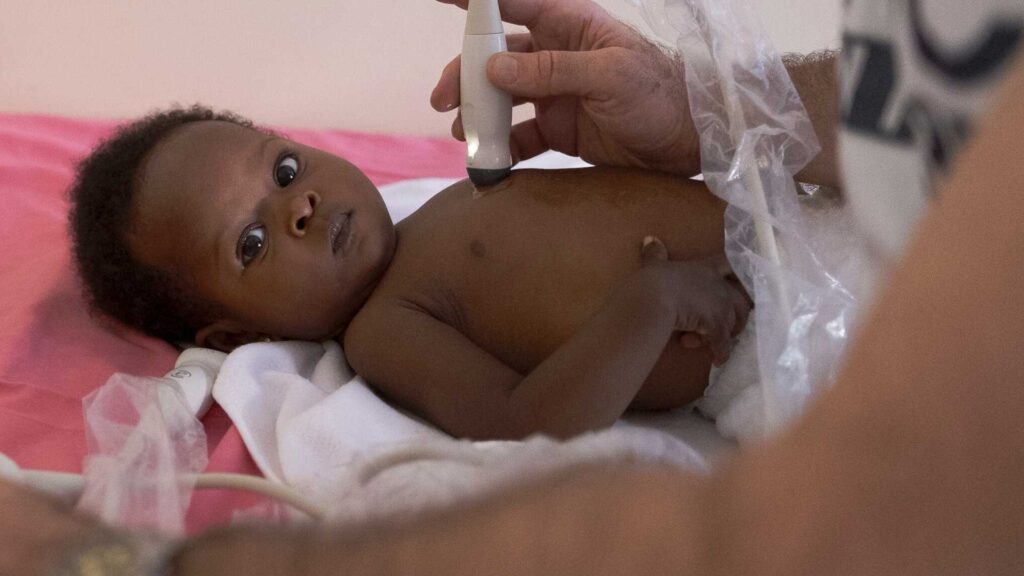
May 6
Ariella is safe. Now we need your help more than ever.
Ariella is safe. Now we need your help more than ever. Ariella was dying. Her condition is very serious. We went to Uganda and visited her.We found her in very serious condition—her life is in danger—and we decided to bring her to Italy, to the Giannina Gaslini Hospital in Genoa, for treatment. Help us! Donate five euros now. It’s a matter of life and death. Let’s give her a future. Surgery saved Ariella’s life. But the biggest challenge begins now. After healing her heart, we must find the strength to give her a future. You can be of great help to us in this. Find out how by clicking the link below. SPONSOR ARIELLA Ariella’s medical condition is dire. Ariella Matovu (date of birth: 10/07/2023) is a 7-month-old baby girl who has been under the care of the Uganda Heart Institute since shortly after her birth. Her condition was clear from the very beginning. Ariella is destined to die. She is in and out of hospitals as no child should ever have to be. The echocardiogram shows a transient atrioventricular canal defect. Ariella Matovu is ready for surgery so she can lead a normal, happy life—the life every child deserves. She’ll be in Italy in early June. But time is running out, and we need your support. Help us save Ariella’s life. Just 5 euros is enough. Help us now. CHECK OUT THE FUNDRAISER FOR ARIELLA ON GOFUNDME Listen to Ariella’s mother’s appeal https://youtu.be/Uy46DditamA This is truly a matter of life and death. Help us save her. Below, we’ll tell you who will be performing the surgery. THANKS TO YOUR SUPPORT, WE SAVE THE LIVES OF DOZENS OF CHILDREN EVERY YEAR. HELP US DO EVEN MORE. Countries 0 Children operated on 0 Children examined 0 + Ariella has undergone surgery. The procedure was a success, but there are complications. Ariella has undergone successful surgery, and her life has been saved after much suffering and worry due to her critical condition. The surgery is finally a cause for celebration. However, some concerning issues have come to light. Here are Dr. Michielon’s words: ’On Friday, I operated on Ariella Matovu for a complete atrioventricular canal defect. It was a complex procedure because she had abnormalities in both the right and left sides of her heart. Everything went well, and she’s already back on the ward.” However, we detected preoperative brain abnormalities on an MRI, most likely secondary to malnutrition. The child is clinically asymptomatic from a neurological standpoint. It would be helpful to repeat the brain MRI before discharge. Now more than ever, it’s essential to be there for her. Our collaboration with the Gaslini Institute in Genoa: Ariella will arrive in Italy on June 3 and will be taken to the Gaslini Institute in Genoa. The institute has been collaborating with the Open Heart project for many, many years and has helped us save dozens and dozens of children. Over the years, more than 60 children have escaped death thanks to this program, and the Giannina Gaslini Institute in Genoa is on the front lines with us to ensure these young lives are not lost. Here is the institute’s official website. https://www.gaslini.org/ Here are some questions you might be asking How will the donations be used? Every euro donated will go directly toward Ariella’s surgical needs. Our NGO operates with the utmost financial transparency, ensuring that every contribution has a direct impact on their lives. Who selects the recipients of the surgeries? The recipients—in this case, Jernita Ariella and Mary—are selected based on medical criteria and need. We’ve been collaborating with the doctors at Gaslini for years to ensure that resources go to those who need them most urgently. And by urgent, we mean life-threatening. Can I trust that the donations will be used properly? Absolutely. Every transaction is tracked, and every financial detail will be made available to anyone who wishes to have further information. POBIC has been operating in the nonprofit sector for over 30 years and considers honesty one of its core values. Check out all our TRANSPARENCY DOCUMENTS on the website. What is your track record in handling cases like these? We have a long history of success in providing life-saving care to children in similar situations. The success stories of the children we’ve helped are tangible proof of our commitment. Take a look at our story in Nigeria What happens if you don’t reach your fundraising goal? Even if we don’t reach the full goal, every donation brings us closer to our mission. Every euro counts and will help ensure a better future for Ariella. Can I make a donation even if I can’t give much? Absolutely! Every donation, regardless of the amount, makes a difference. Even small contributions can make a difference. Many small contributions, dear friend, add up to an enormous result. How will the project’s progress be communicated? We’ll regularly update our community through our social media channels. We want you to closely follow the progress you’re helping to make. And you can always visit this GoFundMe page for real-time updates on our progress. Learn more about us: The non-governmental organization POBIC was founded on September 28, 1992, as AnPobic, an acronym for the National Association for the Promotion of Charitable Works in Support of Civilian Disabled Persons. Its founders were Piras, Triesto, and Finetti, all from Brescia. In its early years, the organization focused on the issues facing civilians with disabilities in northern Italy. Paolo Federico Novellini became president on April 1, 1996, succeeding Giuseppe Lucchesi. Its first international initiative took place in 1999 in Kosovo with the delivery of clothing and food, and the association’s bylaws were amended for the first time to allow it to expand its activities abroad. The year 2001, meanwhile, saw exploratory missions to Ukraine, Morocco, and the Ivory Coast. READ THE FULL STORY HERE THANKS TO YOUR SUPPORT, WE SAVE THE LIVES OF DOZENS OF CHILDREN EVERY YEAR. HELP US DO EVEN MORE. Countries 0 Children operated on 0 Children examined 0 +
READ MOREOPERATING HEADQUARTERS
- Registered office / operational office Via Romanino 1 25123 Brescia
- +39 0376920464
- ong-pobic@ong-pobic.org
CONTACTS
Registered/Operational office
Via Romanino 1
25123 Brescia
Tel - +39 0376-920464
Headquarters
V. Belfiore No. 9
Bozzolo (MN)
Operations Headquarters
Via Santa Maria in Conio, 10
35131 Padua PD
SUBSCRIBE TO THE NEWSLETTER
But let there be a nest in the velvet viverra bibendum in ac nisi. Even let the dui vitae sem
GALLERY




- ONG POBIC ODV