



Archive
February 18
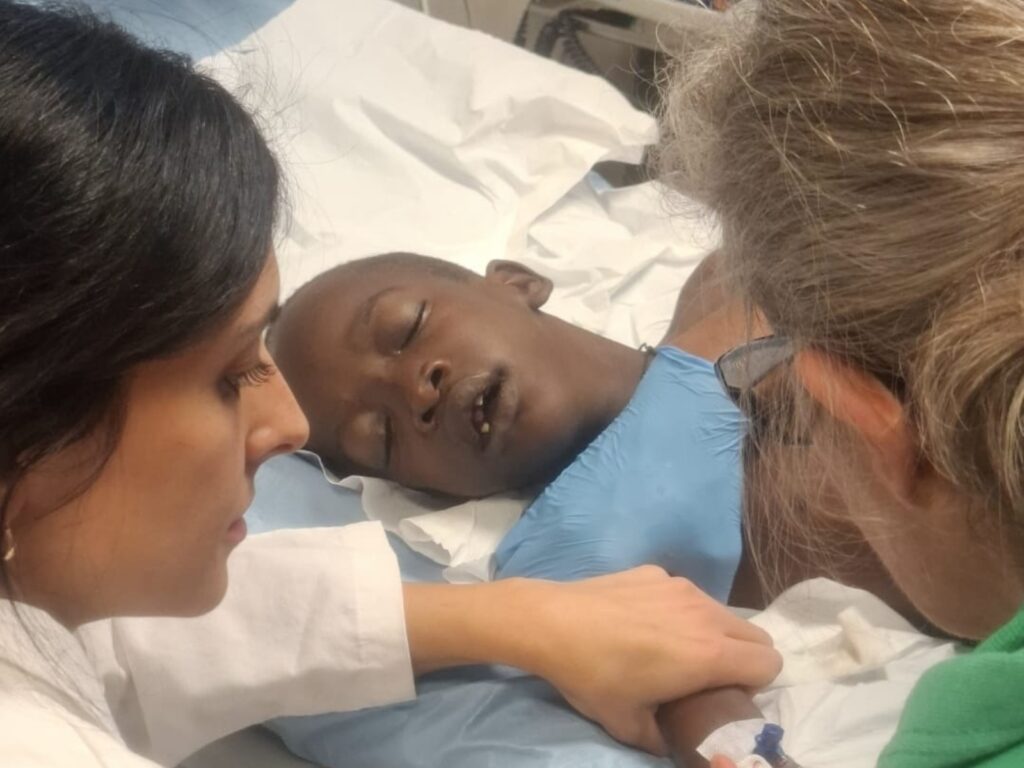
A fragile heart, an urgent surgery: Jeremiah needs us.
A fragile heart, an urgent surgery: Jeremiah needs us. Jeremiah is 11 years old and has lived with a congenital heart defect since birth—a condition that would have required surgery during his early years. Unfortunately, that window of opportunity was missed. Last week, we welcomed him at Linate Airport. It was a long-awaited moment, carefully planned. But when we met him, his condition immediately concerned us. It was no longer a time for waiting. It was time to act. Within a few hours, a decision critical to his life was made: an urgent transfer to Gaslini Hospital in Genoa. Jeremiah was urgently transferred to Gaslini Hospital, a national and international center of excellence for pediatric cardiology. There, he was immediately taken under care and admitted. The situation remains delicate, but as of today, Jeremiah is being cared for by an expert team that is monitoring every parameter with care and attention. In moments like these, it’s not just the diagnoses that matter. What matters is the speed of decision-making, the expertise of the professionals, and the ability to activate an effective care network. Pediatric Cardiology and Preoperative Evaluations In the coming days, Jeremiah will undergo all the necessary preoperative evaluations to determine the procedure and timing of the surgery. Each test helps to precisely define the clinical picture, reduce risks, and establish the safest possible treatment plan. POBIC will be by his side at every stage of this journey: during checkups, while waiting for surgery, and during the post-operative period. Being there doesn’t just mean organizing a medical trip. It means accompanying a child through one of the most vulnerable moments of his life. Solidarity and international healthcare cooperation: a story yet to be written Thanks to the support of those who believe in international healthcare cooperation, a child who, until just a few days ago, had no access to specialized care is now being treated at one of Europe’s leading pediatric centers. Every mission is more than just a medical procedure. It’s a bridge between countries, expertise, and people. Jeremiah is no longer alone. And this is the first, crucial step. THANKS TO YOUR SUPPORT, WE SAVE THE LIVES OF DOZENS OF CHILDREN EVERY YEAR. HELP US DO EVEN MORE. Countries 0 Children operated on 0 Children examined 0 +
READ MORE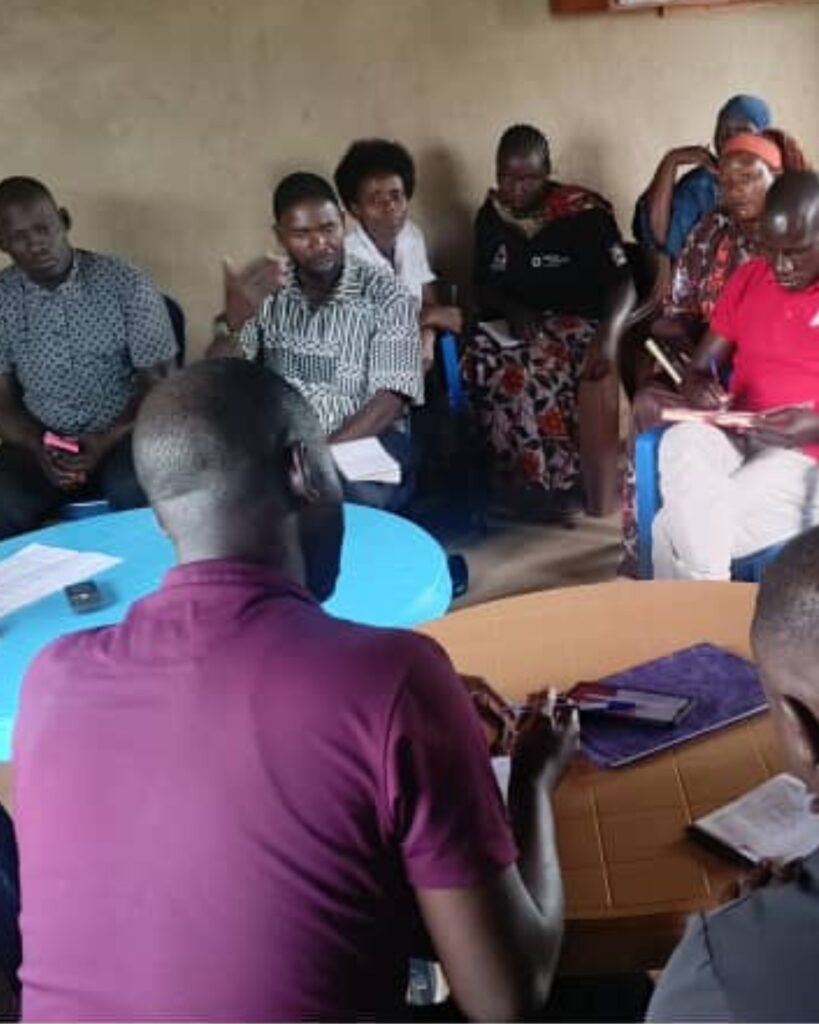
February 18
Congolese Refugees in Uganda: Analysis of Humanitarian Needs in Refugee Settlements
Congolese Refugees in Uganda: Needs Assessment in Refugee Camps In the eastern part of the Democratic Republic of the Congo (DRC), the provinces of North and South Kivu have been experiencing a severe humanitarian crisis for years, caused by a protracted armed conflict and the advance of the M23 rebel group. The situation has worsened further in recent years, with an intensification of fighting between the M23 and Congolese government forces, particularly in the Rutshuru and Lubero areas of North Kivu, extending as far as the border regions with South Kivu. This escalation of violence has caused one of the largest population displacements in Africa, with thousands of people forced to flee their homes to escape the fighting, endure violence, and face daily insecurity. The Collaboration Between POBIC Uganda and Oxfam Uganda The crisis has exacerbated the vulnerability of local communities, worsening difficulties in accessing basic services, fueling food insecurity, and placing significant strain on humanitarian assistance systems. It is within this context that POBIC Uganda and Oxfam Uganda conducted a needs assessment aimed at gaining a firsthand understanding of the living conditions of Congolese refugees and host communities in Uganda. Rapid Needs Assessments in Major Refugee Settlements. The initiative involves conducting Rapid Needs Assessments in Uganda’s major refugee settlements, with the goal of gaining a direct and structured understanding of the needs of refugees and host communities. The initiative focuses on some of the country’s most significant refugee settlements, which collectively host over 371,000 refugees, broken down as follows: 1) 150,000 refugees in the Kyangwali Refugee Settlement 2) approximately 129,000 refugees in the Kyaka II Refugee Settlement 3) 92,000 refugees in the Rwamwanja Refugee Settlement. Approximately 60% of the refugee population is under 18 years of age. Through direct meetings with refugees and local stakeholders, the joint work of POBIC Uganda and Oxfam Uganda aims to gather qualitative and quantitative information on: living conditions in the camps and surrounding areas; challenges related to social and economic integration; access to essential public services; challenges shared by refugees and host communities. The needs assessment goes beyond identifying immediate emergencies; it builds a solid foundation for sustainable and inclusive interventions capable of addressing the needs of all stakeholders involved. Strengthening public services and social cohesion. One of the central objectives of the collaboration is to improve public services, both for refugee populations and for the Ugandan communities hosting them. In contexts characterized by high pressure on services, working in an integrated manner is essential to: reduce the risk of social tensions; foster peaceful coexistence; and promote models of shared local development. Rapid Needs Assessment activities therefore represent a key step in guiding future humanitarian and development actions, based on real data and on listening to the people directly involved. A long-term commitment on the ground. The collaboration between POBIC Uganda and Oxfam Uganda underscores the importance of a participatory and community-based approach, in which needs assessment becomes a practical tool for developing more effective, equitable, and sustainable responses to the challenges posed by humanitarian crises.
READ MOREOPERATING HEADQUARTERS
- Registered office / operational office Via Romanino 1 25123 Brescia
- +39 0376920464
- ong-pobic@ong-pobic.org
CONTACTS
Registered/Operational office
Via Romanino 1
25123 Brescia
Tel - +39 0376-920464
Headquarters
V. Belfiore No. 9
Bozzolo (MN)
Operations Headquarters
Via Santa Maria in Conio, 10
35131 Padua PD
SUBSCRIBE TO THE NEWSLETTER
But let there be a nest in the velvet viverra bibendum in ac nisi. Even let the dui vitae sem
GALLERY




- ONG POBIC ODV