



Archive

May 5
Emergency Transport: Why a Pobic Ambulance Can Make the Difference in the Ukrainian Refugee Crisis
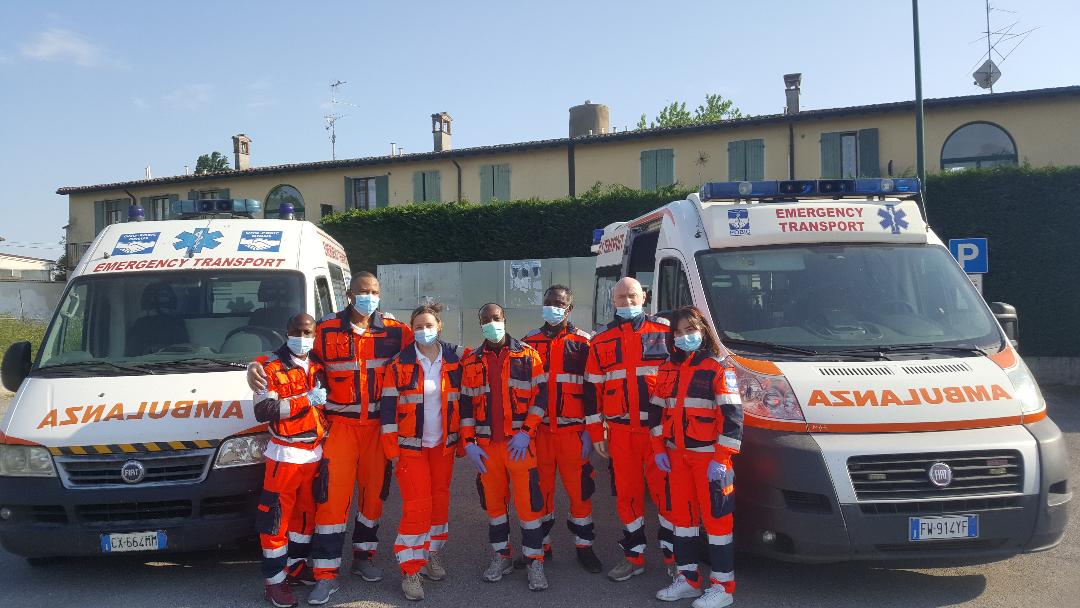
Emergency Transport: Why a Pobic Ambulance Can Make a Difference in the Ukrainian Displacement Crisis For three years, Ukraine has been experiencing forced displacement: nearly 5 million people are moving within the country to escape the bombings, only to try to return home when the front line retreats. Added to this are 6.36 million registered refugees in Europe—4.3 million of whom are under temporary protection in the EU—who are straining already saturated reception systems in Poland and Germany. The ’Commuting“ of Internally Displaced Persons According to the IOM, 37 % of the displaced report having changed provinces more than once in the past year; many move back and forth between the western regions, considered safer, and their provinces of origin to check on their homes or work. This logistical instability makes mobile relief resources essential to reach communities whose composition changes from month to month. Funding Gaps The UN humanitarian plan for 2025 calls for $2.6 billion, but to date it covers only 20 % of the needs: U.S. cuts have caused funding to plummet by 83 % compared to 2024. As a result, the target number of people to be assisted has dropped from 6 to 4.8 million, leaving out millions of displaced people in hard-to-reach areas. The Strain of Hosting in Europe—Poland: nearly 1 million PESEL-UKR records are still active, with emergency shelters beginning to close due to a lack of funding. Germany: 1.25 million Ukrainian refugees—including 29 % minors—are putting pressure on local schools and health services. As social safety nets fray, the demand for medical transfers from border to border and to the most capable hospital hubs is growing. Pobic’s Vital Contribution Through the Emergency Transport program, Pobic retrieves decommissioned ambulances in Italy, refurbishes them, and sends them loaded with medical supplies. A Symbolic Case — Nemirov, 2023 When a missile fragment destroyed the town’s only emergency vehicle, Pobic delivered a new ambulance, driven to the Donbas by the president of Pobic-Ukraine, Mikola Segeda. Traveling alongside the vehicle were first-aid kits, antibiotics, blankets, and warm clothing assembled by volunteers in Lombardy. Read the article here to learn more about the story. Every Pobic convoy departs with: Medications for surgical and emergency use (pain relievers, antibiotics, saline solution). First-aid kits for the rapid evacuation of injured civilians. Thermal blankets and winter clothing for those living in makeshift shelters or unheated basements. Clothing, non-perishable food, and toys for children. Our Goals for 2025 Expand the fleet: the minimum goal is to donate three more ambulances to the municipalities of Kharkiv, Zaporizhzhia, and Mykolaïv, where vehicles are most frequently targeted. Train local staff: 48-hour modules on triage and in-ambulance emergency care for Ukrainian nurses. Long-distance support: continue the program launched in 2010 at the Nemirov orphanage, ensuring monthly supplies of clothing and educational toys. Why Every Ambulance Counts Right Now Addressing displacement: A fully equipped vehicle can follow displaced people as they move, providing care where hospitals are no longer accessible. It fills budget gaps: as UN funds dwindle, a fully stocked ambulance is worth an average of €85,000, covering a gap that international agencies can no longer finance. It relieves the burden on host countries: reducing untreated injuries at the border means fewer costly hospitalizations in Berlin or Warsaw. EMERGENCY TRANSPORT Our strength lies in bringing hope on four wheels. Donate a ”little piece” of an ambulance: together we can get the next vehicle on the road before winter 2025. A dedicated campaign is live on the Pobic website; just €25 is enough to provide a first-aid kit on board, and €100 to restock the oxygen supply. Every contribution brings those fleeing closer to timely medical assistance. DONATE NOW
READ MOREOPERATING HEADQUARTERS
- Registered office / operational office Via Romanino 1 25123 Brescia
- +39 0376920464
- ong-pobic@ong-pobic.org
CONTACTS
Registered/Operational office
Via Romanino 1
25123 Brescia
Tel - +39 0376-920464
Headquarters
V. Belfiore No. 9
Bozzolo (MN)
Operations Headquarters
Via Santa Maria in Conio, 10
35131 Padua PD
SUBSCRIBE TO THE NEWSLETTER
But let there be a nest in the velvet viverra bibendum in ac nisi. Even let the dui vitae sem
GALLERY




- ONG POBIC ODV